
My Return-to-Work Journey with SAP Valuate

Hey everyone, I wanted to share a quick story about how I got back on the road after a DOT drug violation. If you’re going through something similar, I hope this helps you make the right call. A Straightforward, Supportive Process When I first found out I needed to go through the SAP process, I didn’t know what to expect. There’s a lot of confusion out there—and a lot of companies that don’t make things easy. You hear stories about drivers waiting weeks just to get started, getting passed around from person to person, and spending way too much money for barely any support. But then I found SAP Valuate, and working with them turned everything around. I was connected with Joaquin, and from day one, he made the entire process feel manageable. He was easy to talk to—no pressure, no attitude, just a real person who wanted to help. He was professional, patient, and walked me through everything step by step. I never had to guess what came next or chase anyone down for answers. Joaquin followed up regularly, answered all my questions—even the small ones—and genuinely made me feel like I wasn’t in this alone. It wasn’t just about checking off boxes or moving paperwork—it felt like I had someone in my corner from start to finish. Return-to-Duty Made Simple Once I completed the program, I took my Return-to-Duty test, and thankfully, it came back negative. SAP Valuate submitted everything to the Clearinghouse for me, and I was quickly moved back to “on duty” status. That was it—I was officially cleared to drive again. One Solid Program All I can say is this: SAP Valuate’s Substance Abuse Professional is great for anyone who needs to complete their SAP evaluations after a DOT drug or alcohol violation. They made it simple, fast, and stress-free. Final Thoughts If you’ve had a setback and don’t know where to start, give SAP Valuate a call. They helped me get back to doing what I love—driving—and they can help you too. Watch my full story here: YouTube Video Read more success stories like mine: My Failed Drug Test Story – How I Got My CDL (and Life) Back My Fast Track CDL Recovery After a DOT Violation With SAP Valuate Don’t wait. The road back to your CDL starts here—with people who actually care.
My Fast Track CDL Recovery After a DOT Violation With SAP Valuate

If you’re reading this, chances are you or someone you know is going through the same DOT Violation thing I did. Trust me when I say, I’ve been there. And if I can make it out the other side, so can you. The DOT Violation That Changed Everything It all started with a mistake. One that cost me more than I expected. I failed a DOT drug test and immediately lost my CDL. Just like that, my entire career hit pause. No more driving, no more paychecks, and no clue what to do next. I felt embarrassed, frustrated, and stuck. Every minute that passed meant lost income and more stress for my family. I’d heard nightmare stories about the Return-to-Duty process—drivers getting stuck for weeks or even months because of slow SAPs, confusing requirements, and sky-high costs. I needed help—fast. Finding SAP Valuate: The Turning Point That’s when I came across SAP Valuate. And let me tell you: that decision changed everything. From the start, they were clear, professional, and lightning fast. No vague promises, no jumping through hoops. They knew exactly what needed to be done and how to get it done quickly. One thing that immediately stood out was how they work directly with the DOT Clearinghouse to clear prohibited status with zero delays. I didn’t have to keep checking portals or wait weeks for updates—they handled all of it for me. Fastest Process, Best Price I’ve talked to other drivers who got stuck in programs that took forever and charged insane fees. With SAP Valuate, the experience was completely different. It was: Quick — I was scheduled for my SAP evaluation almost immediately Simple — They walked me through each step, no confusion Affordable — The pricing was better than anything else I found online Virtual — Everything was done remotely, on my time, from home Seriously—I had my CDL reinstated faster than I ever thought possible. Real People, Real Support Behind the scenes were real professionals who genuinely care. I didn’t feel judged or like just another case number. Every email, every call—someone was there, helping me get back in the driver’s seat. Whether you’ve had a violation or just feel overwhelmed by the DOT process, these are the people you want in your corner. A Message to Drivers Who Feel Stuck If you’ve lost your CDL due to a violation, it’s not game over. You can get it back—and you don’t have to go through a long, painful process to do it. I’m living proof. SAP Valuate gave me my career back without the stress and delays. I went from panic mode to back on the road in days, not months. And they’ll do the same for you. Final Thoughts If you’ve hit a rough patch and feel like your CDL career is over, it’s not. I’ve been there, and I know how overwhelming the Return-to-Duty process can seem. But with the right support, getting back on the road is possible—and faster than you think. SAP Valuate made the difference for me. No stress, no delays—just real help from people who care. Check them out for yourself. Stop waiting—start driving again. Watch the client review here: YouTube Video Read another success story like mine: My Failed Drug Test Story – How I Got My CDL (and Life) Back
My Failed Drug Test Story: How I Got My CDL (and Life) Back

Hey everyone, my name’s Tyler. I want to share a story that I never thought I’d be telling—but if it helps even one person out there get back on the road, it’s worth it. The Day Everything Changed I still remember the moment I got the call. I had just finished a route, feeling good, thinking about the weekend ahead. Then my supervisor told me I had failed a drug test. My heart sank. I knew I had messed up. There was no one else to blame—just me and one bad decision that cost me everything I had worked so hard for. In an instant, I lost my CDL(Commercial Driver’s License), my job, and honestly, my sense of purpose. Rock Bottom I won’t lie. The days that followed were rough. Embarrassment, stress, and regret kept me up at night. I had a family to support, bills to pay, and a reputation I’d just shattered. Every time I looked at my parked rig in the driveway, it felt like a reminder of failure. But deep down, I knew I wasn’t done. I wasn’t ready to give up. Finding Help: SAP Valuate That’s when I started researching how to get back in the game, and I came across SAP Valuate. Now, I’ve heard plenty of horror stories from other drivers about the Return-to-Duty process. Guys are sitting around for weeks waiting on paperwork. Getting bounced between counselors, paying thousands of dollars out of pocket, not knowing who to talk to or what the next step even is. It’s not just frustrating—it’s career-threatening. Some drivers told me they gave up halfway through because it was just too overwhelming. And honestly, I was scared that’d be my story too. But then I found SAP Valuate, and everything changed. From the very first call, I knew I was in good hands. They laid out every step of the process clearly. No legal jargon, no guessing, no “we’ll get back to you next week.” Just straight answers and a solid plan. They told me exactly what I needed to do, when to do it, and how long it would take. The whole thing was streamlined. I didn’t have to chase anyone down or wait on hold for hours. They even helped me schedule my initial SAP evaluation fast, which meant I could start moving forward instead of being stuck in limbo. It wasn’t just about being fast, though. It was about feeling like I had a real support team behind me. SAP Valuate turned a process that’s usually a nightmare into something manageable—and honestly, even empowering. For the first time since I lost my CDL, I felt like I was back in control. Jenna & Joaquin: Real People Who Really Care Let me give a quick shoutout to Jenna—she was incredible. Always available to answer my questions (and I had a lot). Whether I was stressed, confused, or just needed some reassurance, she was right there. And Joaquin? Same story. These folks genuinely care. They’re not just checking boxes—they’re helping real people rebuild their lives. They treated me like a human being, not just another case. Fast, Affordable, and Legit The best part? The entire process was fast and affordable. I didn’t have to drain my savings or wait weeks to get back to work. In just a couple of days, I was cleared, compliant, and—best of all—back on the road in a couple of days. Their pricing was better than every other option I looked at, and the service was way better. A Message to CDL Drivers Who’ve Been There If you’ve failed a drug test and feel like it’s the end of the road, it’s not. I’ve been there. I know what it feels like to lose your license, your confidence, and your way. But I also know that with the right help, you can bounce back. SAP Valuate gave me a second chance. They helped me navigate the Return-to-Duty process with professionalism and empathy. And today, I’m proud to say I have my CDL back, my job back, and a clearer head than I’ve had in years. They also offer an online DOT SAP program, which makes the process even more convenient—no need to travel or sit in a classroom, just complete everything from home on your own schedule. Final Thoughts To anyone out there who’s hit a bump in the road—don’t give up. You’re not the only one, and you’re not alone. Check out SAP Valuate. Trust me—you won’t regret it. Watch Tyler’s full story here: YouTube Video
Telehealth and Substance Abuse Treatment: How Virtual SAP Services are Shaping the Future

In recent years, the world of healthcare has seen dramatic shifts thanks to technology. Telehealth, a method of delivering healthcare remotely through digital platforms, has revolutionized how people access medical services. From video consultations to remote patient monitoring, telehealth is changing the way healthcare providers interact with patients. One area where telehealth is making a significant impact is in Substance Abuse Treatment (SAP). Virtual SAP services are quickly becoming an essential part of addiction treatment, providing new opportunities for those struggling with substance use disorders (SUD). The Rise of Telehealth in Healthcare Telehealth has grown exponentially, especially with the ongoing global health challenges posed by the COVID-19 pandemic. According to a report by the Centers for Disease Control and Prevention (CDC), telehealth visits increased by 154% in March 2020. People are increasingly turning to digital healthcare options for their convenience, accessibility, and flexibility. Telehealth allows patients to receive care from the comfort of their homes, making it easier for those living in rural or underserved areas to access essential health services. In particular, Substance Abuse Treatment (SAP) has traditionally relied on in-person meetings, group therapy, and rehab programs. However, many individuals who need help with substance use issues face challenges such as distance, lack of resources, or stigma. These barriers often prevent people from seeking treatment. This is where virtual SAP services come in—helping to bridge the gap between patients and treatment, no matter where they are located. Substance Abuse Treatment: Traditional vs. Virtual SAP Services Traditionally, substance abuse treatment involved in-person meetings with healthcare professionals, group therapy, and often lengthy stays in rehabilitation centers. These methods, while effective for many, come with limitations. Accessing these programs often requires travel, long wait times for appointments, and sometimes uncomfortable in-person evaluations. Furthermore, the stigma surrounding addiction can deter individuals from seeking help, leading many to suffer in silence. Enter Virtual SAP Services, which allow individuals to access treatment remotely. This includes services such as: Online Counseling and Therapy: One-on-one virtual meetings with licensed professionals to provide personalized care. Virtual Group Therapy: Joining peer support groups virtually for shared experiences and advice. Remote Monitoring: Healthcare providers can track patient progress through digital tools, ensuring they receive timely care. Medication-Assisted Treatment (MAT): Medication is prescribed and monitored remotely for individuals undergoing treatment for substance use disorders. In addition to these core services, there are Virtual SAP Evaluations, where patients undergo an online assessment to determine the severity of their substance use disorder and identify the right course of treatment. Benefits of Virtual SAP Evaluations One of the most important aspects of virtual SAP services is Virtual SAP Evaluations. Here are the key benefits of these evaluations: Accessibility: Virtual SAP Evaluations make it easier for individuals, no matter where they live, to receive an accurate assessment. Whether you’re in a rural area or have difficulty traveling, you can receive the help you need from the comfort of your home. Convenience: Traditional evaluations often require individuals to take time off work, arrange childcare, or find transportation. Virtual evaluations remove these barriers, making the process quicker and more convenient. Privacy and Comfort: For many, discussing sensitive issues such as substance abuse can be intimidating. Virtual evaluations provide a comfortable and private environment for individuals to open up to healthcare professionals without the fear of stigma or judgment. Immediate Feedback: With virtual evaluations, patients can receive feedback on their assessments faster, leading to quicker treatment planning. This expedites the treatment process, allowing patients to begin addressing their substance use disorders sooner. Comprehensive Support: A virtual SAP Evaluation is typically the first step in a comprehensive treatment plan. By beginning the process remotely, individuals can access follow-up care, such as online counseling or group therapy, all in one streamlined service. Dot SAP Program Online Another crucial advancement in virtual SAP services is the DOT SAP Program Online. For individuals working in regulated industries, especially those who need to comply with the Department of Transportation’s (DOT) Substance Abuse Professional (SAP) requirements, this online program offers a tailored solution. The DOT SAP Program Online allows professionals to complete the required evaluations and treatment recommendations through a secure online platform, saving time and ensuring compliance. For individuals required to undergo SAP evaluations under the DOT regulations, the online program provides the same thorough and expert evaluation process as in-person visits. This flexibility ensures that employees can remain productive and continue their careers while receiving the necessary treatment for substance use disorders. Technologies Powering Virtual SAP Services Behind the scenes, various technologies make virtual SAP services possible: Video Consultation Platforms: Secure, encrypted platforms allow healthcare providers to connect with patients for therapy and evaluations. Mobile Applications: Many telehealth services come with apps that allow patients to track their progress, communicate with providers, and even receive medication reminders. Wearable Devices: Some patients may be monitored remotely through wearables that track vital signs, substance use, and progress, providing real-time data to healthcare professionals. Artificial Intelligence (AI): AI can help analyze patient data and predict treatment outcomes, making treatment plans even more personalized and effective. HIPAA-Compliant Systems: Ensuring privacy and data security is paramount in healthcare. Virtual SAP services rely on HIPAA-compliant systems to protect sensitive patient information. Challenges and Considerations Despite the many benefits of virtual SAP services, there are still some challenges to address: Technology Access: Not all patients have access to the necessary devices or internet connectivity to participate in virtual care. Quality of Care: Some critics argue that virtual care may not be as effective as in-person care, especially in complex cases. However, with the right technological tools and training, this can be mitigated. Engagement and Motivation: Virtual programs require self-discipline from the patient, and some individuals may struggle to stay motivated without in-person interactions. Regulatory Compliance: Telehealth providers must comply with state and national regulations, which may vary across different regions. The Future of Virtual SAP Services As the telehealth landscape continues to evolve, virtual SAP services are likely to become an even more integral part of addiction treatment.
Understanding the CDL Downgrade Process After a DOT Drug Test Failure
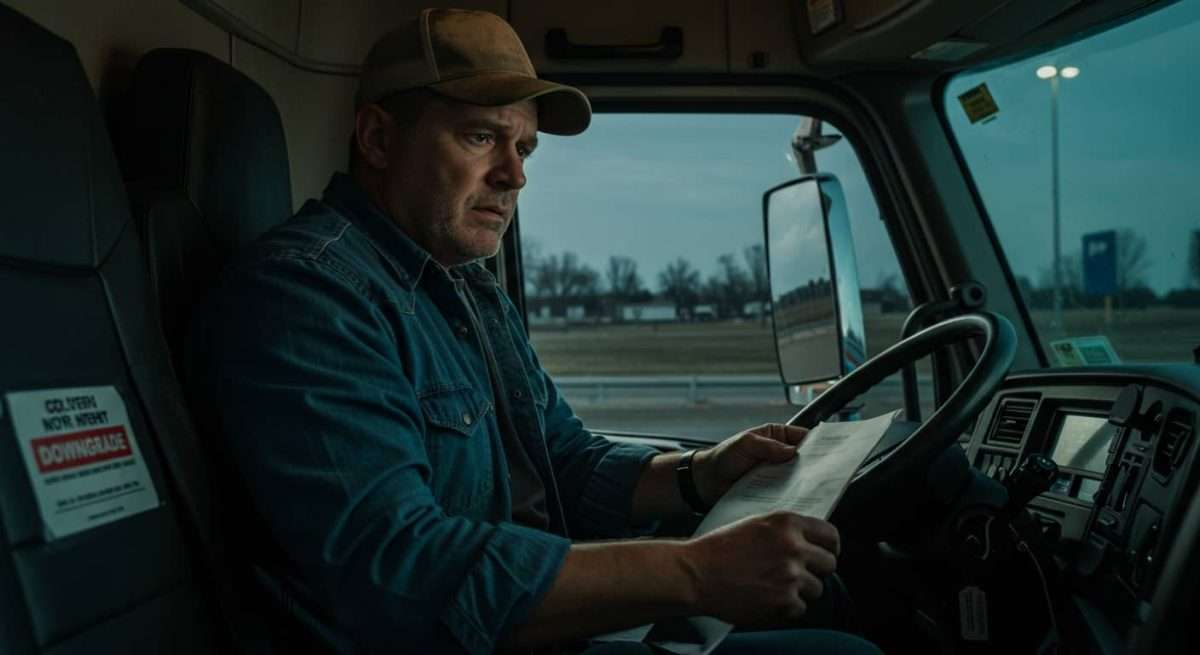
When a Commercial Driver License holder fails or refuses a DOT-mandated drug or alcohol test, the consequences extend far beyond immediate employment—they face a CDL downgrade, enforced by FMCSA Clearinghouse rules. CDL Downgrade Meaning: What It Is and Why It Matters for Commercial Drivers A CDL downgrade refers to the automatic reclassification or suspension of a commercial driver’s license (CDL) when the driver is marked as “prohibited” in the FMCSA Drug and Alcohol Clearinghouse due to a failed or refused DOT drug or alcohol test. When this occurs, the driver is no longer authorized to operate commercial motor vehicles (CMVs) until they complete the DOT Return‑to‑Duty (RTD) process under federal law. What Happens During a CDL Downgrade? License Reclassification: The state licensing agency (e.g., DMV) downgrades the CDL to a non-commercial license class (such as Class D or standard driver’s license). Commercial Driving Ban: The driver is legally disqualified from operating vehicles that require a CDL. Clearinghouse Notification: This action is triggered by a record in the FMCSA Clearinghouse marking the driver as “prohibited.” State DMV Involvement: States are federally required to downgrade a CDL within 60 days of receiving the Clearinghouse notification, per the FMCSA final rule (effective November 2024). Employment Implications: The downgrade is visible to employers during pre-employment or annual Clearinghouse checks, limiting job opportunities. Why Does a CDL Get Downgraded? CDL downgrades are typically caused by: A positive drug or alcohol test result under DOT rules. A refusal to test, including tampering, substitution, or walking away. Unresolved Clearinghouse violations—when a driver fails to complete the SAP process and follow-up testing. CDL Downgrade vs. CDL Suspension: Know the Difference CDL Downgrade CDL Suspension Triggered by Clearinghouse drug/alcohol violation Can result from multiple issues: traffic violations, expired medical card, etc. Results in loss of CDL privileges, but the driver may still hold a non-commercial license Results in full loss of driving privileges, even for a regular car Requires the DOT SAP Program for reinstatement Depends on the cause; not always related to drug/alcohol compliance If you’re a CDL driver or fleet employer, understanding the CDL downgrade process is critical for staying compliant and getting drivers back on the road swiftly. Taking quick action after a violation—such as enrolling in the SAP program—can prevent long-term licensing and employment setbacks. What Happens if My CDL is Downgraded?” Immediate loss of commercial driving privilegesState licensing agencies notify the driver of the downgrade and update records within 60 days of the Clearinghouse violation. Inability to operate CMVsThe driver cannot legally drive commercial motor vehicles until they finish RTD and are marked “not prohibited” in the Clearinghouse. Permanent Clearinghouse recordingA violation remains on record for at least five years, even after completing all requirements. Reinstatement processUpon completing RTD steps, the driver must visit the DMV to have their license reinstated to its former class. How the DOT SAP Program Benefits CDL Drivers—Beyond Just Return‑to‑Duty Completing the DOT SAP (Substance Abuse Professional) program offers more than just regaining CDL privileges: Enhanced job security & employer confidenceDemonstrates responsibility and adherence to DOT standards—employers view SAP graduates as safer, more reliable drivers. Personal growth & long-term safety focusThrough education and self‑assessment, drivers cultivate healthier habits and improved decision-making on the road. Career advancement & financial stabilityA clean post‑SAP record boosts employability; maintaining compliance can lead to steady income and fewer disruptions. Broader impact on public safetyBy completing the SAP process, drivers contribute to safer highways and set positive industry examples. What CDL Holders Can Expect from a DOT SAP Evaluation Here’s a step-by-step guide through the SAP evaluation and RTD journey: Initial EvaluationConsulting a DOT-qualified SAP, who reviews your drug use history, health, and personal context to create a tailored treatment/education plan. Treatment/Education RecommendationDepending on individual needs, this may range from brief educational sessions (e.g., 8 hours) to outpatient care. Follow-up EvaluationThe SAP confirms completion of the prescribed plan and authorizes the Return‑to‑Duty test. Return‑to‑Duty TestA DOT drug/alcohol test ordered by your employer or a consortium. A negative result reinstates your eligibility and updates your Clearinghouse status. Follow-Up Testing PlanA series of at least six unannounced tests over 12 months, possibly extending to five years, ensures long-term compliance. CDL ReinstatementAfter a successful RTD test and follow-up compliance, your Clearinghouse status becomes “not prohibited.” You then coordinate with the DMV to upgrade your CDL back to its original class. Timeline Snapshot Step Estimated Timeframe Initial SAP evaluation Within days–weeks post-violation Treatment/education 8 hrs–several weeks, depending on the case Return-to-Duty test Scheduled after SAP approval Follow-up testing Minimum 6 tests over 12 months CDL reinstatement Immediately after the Clearinghouse update A CDL downgrade is a serious regulatory action, but it’s not the end of your commercial driving career. While the downgrade removes your commercial driving privileges, it is reversible through proper compliance with the DOT Return-to-Duty (RTD) process, which includes a Substance Abuse Professional (SAP) evaluation and follow-up testing. Is a CDL Downgrade Permanent? No, a CDL downgrade is not permanent, but the consequences can be long-lasting if not addressed quickly. Once downgraded, your CDL status in the FMCSA Drug & Alcohol Clearinghouse remains marked as “prohibited” until: You complete a DOT-qualified SAP evaluation You follow all treatment or education recommendations You pass a Return-to-Duty drug or alcohol test Your employer updates your Clearinghouse record as “eligible.” Only after all of these steps can you apply for CDL reinstatement with your state’s Department of Motor Vehicles. How Long Does a CDL Downgrade Stay on Record? Your prohibited status lasts until the SAP and RTD process is fully completed. The drug/alcohol violation itself stays in the Clearinghouse for 5 years, or until you complete the follow-up testing plan—whichever is longer. This history can affect future job applications, as many carriers perform full Clearinghouse queries before hiring. Smart Steps If Your CDL Has Been Downgraded Immediately register in the Clearinghouse if you haven’t already Find a qualified DOT SAP to begin your evaluation Complete the treatment/education program promptly Work with an employer or consortium to take the Return-to-Duty test Request
How the DOT SAP Program Works After a Failed Drug Test

When it comes to safety-sensitive jobs in transportation, ensuring a drug-free workplace isn’t just good policy—it’s the law. The U.S. Department of Transportation (DOT) requires strict drug and alcohol testing for millions of workers in industries like trucking, aviation, railroads, pipelines, and transit. This guide breaks down everything you need to know about DOT drug testing—what’s tested, how it works, what to expect, and what happens if someone fails a test. What Is DOT Drug Testing? DOT drug testing is a federally regulated process designed to prevent substance abuse in safety-sensitive positions. It follows the rules outlined in 49 CFR Part 40, enforced by agencies such as: FMCSA (Federal Motor Carrier Safety Administration) FAA (Federal Aviation Administration) FRA (Federal Railroad Administration) PHMSA (Pipeline and Hazardous Materials Safety Administration) FTA (Federal Transit Administration) USCG (U.S. Coast Guard) DOT drug tests are mandatory for employees performing safety-sensitive duties, such as driving commercial vehicles, flying aircraft, operating trains, or handling hazardous materials. What Does a DOT Drug Test Include? DOT testing uses a 5-panel urine drug test, which screens for the following substances: Marijuana (THC) Cocaine Amphetamines Includes methamphetamine, MDMA (Ecstasy), and MDA Opiates Includes codeine, morphine, and heroin (6-AM) Phencyclidine (PCP) Expanded Opiate Testing:Since 2018, DOT drug tests also include semi-synthetic opioids: Oxycodone (OxyContin, Percocet) Oxymorphone Hydrocodone (Vicodin, Norco) Hydromorphone (Dilaudid) Types of DOT Drug Tests DOT drug testing can occur at several points throughout an employee’s time in a safety-sensitive role: Test Type When It Happens Pre-employment Before starting a safety-sensitive job Random Unannounced and selected via a computer-generated system Post-accident After specific accidents involving fatalities or citations Reasonable Suspicion Based on observed behavior or appearance Return-to-Duty After completing a treatment program for a violation Follow-Up Minimum of 6 unannounced tests in 12 months post-violation Note: Supervisors must complete DOT-mandated training before initiating reasonable suspicion testing. How the DOT Drug Testing Process Works The DOT has a secure and standardized testing process designed to ensure accuracy and protect the integrity of results. 1. Specimen Collection Conducted at a certified collection site. The urine sample is split into two bottles: Bottle A (primary) Bottle B (split sample) (reserved for re-testing if requested) 2. Laboratory Testing Sample A is tested at an HHS-certified laboratory. If positive, the result is sent to a Medical Review Officer (MRO) for further evaluation. 3. Medical Review Officer (MRO) Evaluation The MRO contacts the employee to verify if a valid prescription or medical reason exists. If no legitimate explanation is found, the result is confirmed as positive. 4. Reporting and Documentation Results are reported to the Designated Employer Representative (DER). For CDL drivers, results are also entered into the FMCSA Drug & Alcohol Clearinghouse. What happens if you fail a DOT Physical Drug Test? So, What Happens If You Fail a DOT Drug Test? A positive drug test or refusal to test results in immediate removal from safety-sensitive duties. However, this does not mean automatic termination. To return to duty, the employee must complete the SAP Program (Substance Abuse Professional Process), which is outlined below. The SAP Program: Path to Returning to Duty The Substance Abuse Professional (SAP) Program is a mandatory process that must be completed by any DOT-regulated employee who: Tests positive on a drug or alcohol test Refuses to take a test Tampered with or failed a test What Is a SAP? A DOT SAP Program is a specially qualified expert (licensed physician, psychologist, counselor, or social worker) who evaluates employees and develops a recovery and testing plan after a DOT violation. Key Steps in the SAP Process Step What Happens 1. Evaluation The SAP interviews the employee and assesses their substance use history. 2. Treatment/Education Plan The SAP recommends specific treatment or education programs. 3. Monitoring Progress The SAP tracks the employee’s participation and progress. 4. Follow-Up Evaluation A second evaluation is conducted after treatment to determine readiness. 5. Return-to-Duty Test The employee must pass a directly observed test before returning to work. 6. Follow-Up Testing The SAP prescribes a schedule of at least 6 unannounced tests in 12 months. SAPs must be DOT-qualified and maintain ongoing training to stay compliant with federal regulations. Who Pays for the SAP Program? Payment is typically the responsibility of the employee, though some employers may cover or share the cost as part of their company policy. Alcohol Testing Under DOT While drug testing gets much of the attention, DOT also requires alcohol testing in similar circumstances (post-accident, random, return-to-duty, etc.). Test Method: Breathalyzer or saliva test Prohibited Level: 0.04% BAC or higher Actions: Employees must be removed from duty and follow return-to-duty protocols if over the limit Compliance Tips for Employers To remain compliant with DOT regulations, employers should: Register and maintain accounts with the FMCSA Clearinghouse Partner with a DOT-compliant consortium or third-party administrator (C/TPA) Ensure all drug/alcohol testing is performed by certified professionals Provide supervisor training for recognizing signs of impairment Have a clear and updated drug and alcohol policy for employees What Is a Non DOT Drug Test? In addition to DOT-mandated drug testing, many employers conduct non-DOT drug tests. These tests are not regulated by the U.S. Department of Transportation and typically apply to positions not classified as safety-sensitive under DOT rules. Non-DOT tests often screen for many of the same substances as DOT tests—such as marijuana, cocaine, amphetamines, opiates, and PCP—but the testing process is more flexible. Employers can choose which drugs to test for and decide on testing methods, such as urine, saliva, hair, or blood tests. Unlike DOT tests, non-DOT testing follows company-specific policies rather than strict federal regulations. Key Differences Between DOT and Non-DOT Drug Tests Feature DOT Drug Test Non-DOT Drug Test Regulated by U.S. Department of Transportation Employer or state/local laws Tested Substances Standardized 5-panel plus expanded opiates Customizable panels Testing Procedures Strict federal protocols (49 CFR Part 40) Flexible, based on employer policy SAP Program Required Yes, after a positive or refused test No, unless employer policy requires Use Cases Safety-sensitive roles (e.g., commercial drivers,
Can Employers or Drivers Request a Second SAP Evaluation?

When a commercial driver violates DOT drug or alcohol policies, the next step is an evaluation by a qualified Substance Abuse Professional (SAP). This process can be emotionally taxing and professionally disruptive. Understandably, drivers – or their employers – may wonder: Can we request a second SAP evaluation if we disagree with the first? Let’s dive into the regulatory framework, rationale, and consequences surrounding this question. DOT Regulations: One SAP Evaluation Only According to the FMCSA and DOT’s 49 CFR § 40.295, once a driver has been evaluated by a qualified SAP, neither the driver nor the employer may request a second evaluation to obtain alternative recommendations. If a second SAP evaluation occurs, federal law clearly states the employer may not rely on it for any purpose. This ensures a standardized, enforceable process and prohibits “second opinion shopping” to achieve potentially more favorable outcomes. Purpose of the SAP Evaluation Before exploring the finality of SAP recommendations, it helps to understand why SAP is involved in the first place. The Substance Abuse Professional is a DOT-certified clinician whose role includes: Assessing the nature and severity of the driver’s substance use. Recommending a treatment or educational plan. Arranging a follow-up testing schedule to monitor progress. This structured process protects public safety and ensures drivers return only when fully fit for duty. The Finality of SAP Recommendations Does anyone have the authority to change a SAP’s initial evaluation? As per DOT regulations 49 CFR § 40.297(a), no one—including employers, employees, or third parties—may alter a SAP’s evaluation or its recommendations. Attempting to do so, or seeking another SAP to get a different result, is strictly prohibited. Only the original SAP may revise recommendations, but only if new clinical information warrants it. This rule safeguards both the credibility of the SAP process and reinforces consistent, unbiased decisions, free from undue influence. Why Second Evaluations Are Not Allowed There are clear, practical reasons behind prohibiting second evaluations: Maintain process integrity: Allowing multiple evaluations undermines the system’s purpose of offering a fair, clinical assessment. Prevent manipulation: Drivers might “shop” for lenient opinions, eroding public trust and compromising safety. Legal enforceability: Having one authoritative evaluation streamlines compliance and enforcement. DOT developed this framework to prevent drivers or employers from bypassing official procedures to avoid honest evaluations. Legal and Career Consequences What happens if an employer or driver ignores this rule? Both parties risk fines and disciplinary enforcement under DOT regulations. Any second evaluation lacks legal standing, and employers are forbidden from considering it for return-to-work decisions. Non-compliance can result in protracted career delays and reputational damage within the industry. This “first-and-final SAP” policy serves as a deterrent to bypassing science and regulation. What About Mistakes or Disputes? You cannot seek a fresh SAP evaluation simply because you disagree. However, there is a limited path for modifying SAP recommendations: The original SAP may revisit or adjust its guidance if compelling new evidence arises (e.g., new treatment findings) No third-party involvement is allowed. The SAP must handle amendments professionally, documenting reasons and any changes. It’s not uncommon for treatment progress or medical updates to alter an SAP’s approach, but this must be done through the original evaluator. What Employers Must Do Employers have distinct responsibilities: Accept the initial SAP evaluation as binding. Implement the treatment and follow-up plans recommended by the SAP. Do not seek—or rely on—a second evaluation if one is submitted. Follow federal policy to reject it. Ensure follow-up testing is conducted exactly as prescribed—no deviations allowed. Maintain all documentation—initial evaluation, follow-ups, return-to-duty test—in the employee’s file for at least five years. Enforce compliance: A driver must not resume safety-sensitive duties until compliance is confirmed. This compliance reflects both legal obligation and commitment to road safety. What Drivers Must Know If you’re the driver: You must follow the recommendations made by your SAP—education, treatment, and follow-up testing are mandatory. Do not seek a second SAP evaluation in hopes of bypassing tougher recommendations—it’s against DOT rules and could delay your return. If you believe the SAP’s advice is incorrect, the only recourse is to discuss it with that same SAP and provide new information. Ensure compliance with your follow-up testing schedule to remain eligible for return-to-duty and to retain future employment eligibility. Understand this stays on record: DOT Clearinghouse records violations and SAP status for up to 5 years. Abiding by rules and cooperating with the SAP process is essential to moving forward in your career. Why Single Evaluation Matters for Safety 1. Public Safety Clarity and a consistent process help ensure only fully rehabilitated drivers return to the road. 2. Trust and Transparency Knowing that SAP recommendations can’t be contested builds confidence in the system. 3. Operational Efficiency Employers and agencies can manage compliance straightforwardly, without chasing multiple opinions or conflicting directives. SAP Process Overview To fully grasp the implications of a single evaluation: Initial SAP EvaluationThe SAP conducts an in-depth assessment. Treatment or Educational PlanTailored to the severity and driver needs. Follow-Up Testing PlanAt least 6 unannounced tests in the first year, plus any further monitoring up to five years. Return-to-Duty (RTD) TestOnce compliant, the driver takes a confirmatory test. Clearinghouse ReportSAP files compliance details with the employer and FMCSA. Ongoing MonitoringSAP-directed testing continues even after return-to-duty. At no point is a second evaluation allowed or factored into this structured program. Common Questions Q: Can an employer pay for a second evaluation?A: No. It’s still a violation. Payment or incentive doesn’t override a legal ban. Q: What if the SAP was unqualified or made errors?A: You can’t seek a new SAP. You must discuss issues with the same SAP. The DOT does permit the original SAP to amend recommendations if substantial new clinical information arises. Q: What if I’m worried the recommendations are too onerous?A: Discuss concerns with your SAP—they may adjust plans based on updated information, not via a second evaluator. Q: Does follow-up testing stop after return to duty?A: No. It continues per SAP plan, lasting at least one year with unpredictable frequency, and possibly up to five years. Key
Best States to Work in as a SAP Program Truck Driver in USA

For truck drivers who have successfully completed the Substance Abuse Professional (SAP) program, certain U.S. states offer more favorable opportunities to re-enter the workforce. These states not only have a high demand for drivers but also host numerous SAP-friendly trucking companies that recognize the value of second chances. If you’re searching for “SAP driver,” “SAP near me,” or “DOT SAP program near me,” this guide will provide insights into the best states to consider. What Is an SAP Driver? An SAP driver is a commercial truck driver who has tested positive for drugs or alcohol and has completed the FMCSA-mandated SAP program. This program involves an evaluation by a certified Substance Abuse Professional, followed by education, treatment, and a return-to-duty process, including follow-up testing. Successfully completing the SAP program allows drivers to return to safety-sensitive positions, such as truck driving. For Details Checkout: What Is a SAP Driver and Why It’s Important for Trucking Top States for SAP Drivers 1. Texas Texas leads the nation when it comes to trucking opportunities, especially for SAP drivers. With massive transportation hubs like Houston, Dallas, and San Antonio, the Lone Star State offers unmatched access to regional and national freight routes. The state’s extensive highway system and proximity to Mexico make it a major player in cross-border logistics and long-haul trucking. For drivers who have completed the DOT SAP program, Texas is a land of opportunity. Several major carriers—including Schneider National, Western Express, and C.R. England—are known for working with SAP-compliant drivers and offering structured return-to-duty programs. Whether you’re looking for regional, dedicated, or over-the-road routes, you’ll find no shortage of companies that hire SAP drivers in Texas. Searching for “SAP near me in Texas” will yield dozens of options, from certified counselors to fleet recruiters. 2. Georgia Georgia has grown into a premier logistics hub on the East Coast, and it’s also one of the best states for SAP program drivers. The state features major freight corridors, including I-75 and I-20, and cities like Atlanta, Savannah, and Augusta serve as central freight transfer zones. Georgia’s strong economic growth and infrastructure investments continue to fuel demand for qualified CDL holders. SAP drivers will find Georgia especially welcoming. Carriers such as C.R. England, Werner Enterprises, and Swift Transportation frequently hire drivers who’ve successfully completed the SAP return-to-duty process. Many companies offer driver development programs and are familiar with the unique challenges SAP drivers face. Whether you’re starting your search for “SAP near me in Georgia” or looking for companies that hire SAP drivers, Georgia is one of the top states to consider for a fresh start in trucking. 3. Florida Florida is a logistics heavyweight with its numerous ports, warehouses, and sprawling interstate system. From Miami to Jacksonville to Tampa, the Sunshine State plays a critical role in national and international freight movement. Florida’s demand for truck drivers remains high year-round, offering consistent opportunities for both new and returning drivers. For SAP drivers looking to rebuild their careers, Florida offers strong hiring momentum. Well-known companies such as Knight Transportation, Western Express, and TransAm Trucking operate heavily in the state and have a history of employing drivers post-SAP. Whether you’re seeking local, regional, or OTR opportunities, there are jobs available. A quick search for “DOT SAP program near me in Florida” will bring up a range of licensed counselors, testing facilities, and companies open to hiring second-chance drivers. 4. Ohio Situated at the heart of the Midwest, Ohio offers exceptional access to the country’s most important interstate routes, including I-70, I-75, and I-80. Cities like Columbus, Cleveland, and Cincinnati are major freight centers, and Ohio’s thriving manufacturing and distribution industries contribute to a steady flow of freight needing reliable transportation. For SAP drivers, Ohio is a dependable state to relaunch a trucking career. The region is home to carriers such as Western Express and TransAm Trucking, both of which are known to work with drivers who have completed the SAP program. Whether you’re searching for “SAP driver jobs in Ohio” or “SAP near me,” there are dozens of supportive employers and certified professionals who can assist in your return-to-duty process. With a lower cost of living compared to coastal states, Ohio is a practical and promising choice for SAP-approved drivers. 5. California California’s expansive economy and extensive transportation infrastructure make it a top-tier destination for commercial drivers. With high-volume freight traffic moving through ports like Los Angeles, Long Beach, and Oakland, there’s a consistent need for CDL drivers. The state also offers a wide range of local and long-haul opportunities, thanks to its massive agricultural, retail, and tech industries. SAP drivers will find California to be a competitive but worthwhile state for career rebuilding. Companies like Swift Transportation and Western Express maintain a strong presence throughout the state and have hired SAP-compliant drivers in the past. From San Diego to Sacramento, certified SAP professionals are widely available, making it easy to search “SAP near me” or “DOT SAP program near me in California.” If you’re looking for a high-volume market where your skills can thrive post-SAP, California is a solid choice. 6. Illinois Illinois stands out as a central freight hub in the Midwest, with Chicago serving as a major logistics and transportation center. The combination of massive distribution facilities, intermodal rail yards, and access to major highways like I-55 and I-80 makes Illinois one of the most important states for freight movement in the country. For SAP drivers, Illinois presents numerous opportunities. If you search for “DOT SAP program near me” in Chicago or its suburbs, you’ll find a wealth of certified SAP professionals, return-to-duty services, and job listings tailored to SAP-compliant drivers. Major companies like Roehl Transport and Hirschbach have a strong presence here and are known for giving second chances to drivers who have successfully completed the SAP process. 7. Pennsylvania Pennsylvania’s diverse economy, high concentration of manufacturing operations, and large distribution centers make it a natural hotspot for trucking. Major routes like I-76, I-80, and I-81 support the state’s heavy
Benefits of Online Substance Abuse Counseling after DOT Violation

Facing a DOT drug or alcohol violation is a serious matter for any commercial driver, but it doesn’t have to be the end of your career. One of the most accessible and effective tools to support your recovery and return-to-duty journey is online substance abuse counseling. With the rise of virtual services, CDL drivers now have more flexible options to complete their SAP-recommended treatment and education requirements without sacrificing time, privacy, or employment opportunities. According to the Federal Motor Carrier Safety Administration (FMCSA), “The DOT SAP process is mandatory for safety-sensitive employees who violate drug and alcohol testing regulations. The National Association for Alcoholism and Drug Abuse Counselors (NAADAC) outlines the qualifications required for a counselor to become a DOT SAP, ensuring that professionals meet stringent standards. Here are the key benefits of choosing the online DOT SAP Program after a DOT violation: 1. Convenience and Flexibility Truck drivers often face unpredictable schedules, long hours, and time away from home. Online counseling allows you to: Attend sessions from anywhere using your smartphone, tablet, or laptop Choose flexible appointment times, including evenings and weekends Eliminate the need for travel, saving both time and money This flexibility makes it easier to stay compliant with your SAP program while managing your daily responsibilities. 2. Faster Return-to-Duty Process Online counseling platforms often offer rapid appointment scheduling, meaning you can start your recovery process sooner. Many DOT-qualified SAP professionals operating online can: Complete evaluations within 24–48 hours Submit documentation directly to your employer or the FMCSA Clearinghouse Help you move quickly through the return-to-duty (RTD) process “John, a CDL driver from Texas, faced a 3-month delay in his return-to-duty process due to geographical constraints. After enrolling in our virtual DOT SAP program, he completed the required evaluations and treatment plan within 10 days, allowing him to resume his duties promptly.“ Choosing a reputable online provider—like those available through SAP valuate—can significantly shorten the time it takes to get back behind the wheel. 3. Discreet and Confidential Support Substance abuse carries a social stigma that can deter drivers from seeking help. Online counseling provides: A private and secure environment to speak openly Access to licensed professionals who understand the unique pressures of the trucking industry The opportunity to recover without the fear of being judged or exposed All online SAP evaluations and counseling sessions must follow strict confidentiality rules under HIPAA and DOT guidelines. 4. Access to Certified SAP Professionals Nationwide Not every town or rural area has a local DOT-qualified Substance Abuse Professional (SAP). Online counseling breaks down that barrier by giving drivers access to: Certified SAPs across multiple states Counselors who specialize in CDL driver recovery programs Providers who understand the FMCSA Clearinghouse process and paperwork This ensures that no matter where you are, you can complete your program with a certified expert. 5. Ongoing Support and Relapse Prevention Many online platforms go beyond just the SAP evaluation and RTD test. They also offer: Long-term counseling or aftercare programs Relapse prevention strategies Mental health support tailored to high-stress professions like truck driving These resources can play a vital role in sustaining recovery and avoiding future violations. 6. Cost-Effective Options Traditional, in-person counseling can be expensive due to travel, time off work, and clinic fees. Online SAP programs often: Offer competitive pricing Provide bundled services (evaluation + education or treatment) Accept payment plans or direct employer billing This can make it easier for drivers to afford compliance without financial strain. Privacy Measures to Protect Client Information At SAPValuate, we prioritize the confidentiality and security of your personal and health information. To ensure your data is protected. Final Thoughts: Online substance abuse counseling is not just a modern convenience—it’s a lifeline for CDL drivers working hard to reclaim their careers. Whether you’re just starting your SAP process or continuing after a violation, choosing online support gives you the flexibility, privacy, and efficiency needed to return to duty responsibly. If you’re looking for trusted online SAP professionals, visit SAPvaluate to schedule a confidential evaluation and get back on the road with confidence.