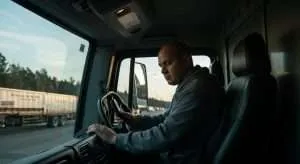
When it comes to safety-sensitive jobs in transportation, ensuring a drug-free workplace isn’t just good policy—it’s the law. The U.S. Department of Transportation (DOT) requires strict drug and alcohol testing for millions of workers in industries like trucking, aviation, railroads, pipelines, and transit.
This guide breaks down everything you need to know about DOT drug testing—what’s tested, how it works, what to expect, and what happens if someone fails a test.
What Is DOT Drug Testing?
DOT drug testing is a federally regulated process designed to prevent substance abuse in safety-sensitive positions. It follows the rules outlined in 49 CFR Part 40, enforced by agencies such as:
- FMCSA (Federal Motor Carrier Safety Administration)
- FAA (Federal Aviation Administration)
- FRA (Federal Railroad Administration)
- PHMSA (Pipeline and Hazardous Materials Safety Administration)
- FTA (Federal Transit Administration)
- USCG (U.S. Coast Guard)
DOT drug tests are mandatory for employees performing safety-sensitive duties, such as driving commercial vehicles, flying aircraft, operating trains, or handling hazardous materials.
What Does a DOT Drug Test Include?
DOT testing uses a 5-panel urine drug test, which screens for the following substances:
-
Marijuana (THC)
-
Cocaine
-
Amphetamines
-
Includes methamphetamine, MDMA (Ecstasy), and MDA
-
-
Opiates
-
Includes codeine, morphine, and heroin (6-AM)
-
-
Phencyclidine (PCP)
Expanded Opiate Testing:
Since 2018, DOT drug tests also include semi-synthetic opioids:
- Oxycodone (OxyContin, Percocet)
- Oxymorphone
- Hydrocodone (Vicodin, Norco)
- Hydromorphone (Dilaudid)
Types of DOT Drug Tests
DOT drug testing can occur at several points throughout an employee’s time in a safety-sensitive role:
| Test Type | When It Happens |
|---|---|
| Pre-employment | Before starting a safety-sensitive job |
| Random | Unannounced and selected via a computer-generated system |
| Post-accident | After specific accidents involving fatalities or citations |
| Reasonable Suspicion | Based on observed behavior or appearance |
| Return-to-Duty | After completing a treatment program for a violation |
| Follow-Up | Minimum of 6 unannounced tests in 12 months post-violation |
Note: Supervisors must complete DOT-mandated training before initiating reasonable suspicion testing.
How the DOT Drug Testing Process Works
The DOT has a secure and standardized testing process designed to ensure accuracy and protect the integrity of results.
1. Specimen Collection
-
Conducted at a certified collection site.
-
The urine sample is split into two bottles:
-
Bottle A (primary)
-
Bottle B (split sample) (reserved for re-testing if requested)
-
2. Laboratory Testing
-
Sample A is tested at an HHS-certified laboratory.
-
If positive, the result is sent to a Medical Review Officer (MRO) for further evaluation.
3. Medical Review Officer (MRO) Evaluation
-
The MRO contacts the employee to verify if a valid prescription or medical reason exists.
-
If no legitimate explanation is found, the result is confirmed as positive.
4. Reporting and Documentation
-
Results are reported to the Designated Employer Representative (DER).
-
For CDL drivers, results are also entered into the FMCSA Drug & Alcohol Clearinghouse.
What happens if you fail a DOT Physical Drug Test?
So, What Happens If You Fail a DOT Drug Test? A positive drug test or refusal to test results in immediate removal from safety-sensitive duties. However, this does not mean automatic termination.
To return to duty, the employee must complete the SAP Program (Substance Abuse Professional Process), which is outlined below.
The SAP Program: Path to Returning to Duty
The Substance Abuse Professional (SAP) Program is a mandatory process that must be completed by any DOT-regulated employee who:
-
Tests positive on a drug or alcohol test
-
Refuses to take a test
-
Tampered with or failed a test
What Is a SAP?
A DOT SAP Program is a specially qualified expert (licensed physician, psychologist, counselor, or social worker) who evaluates employees and develops a recovery and testing plan after a DOT violation.
Key Steps in the SAP Process
| Step | What Happens |
|---|---|
| 1. Evaluation | The SAP interviews the employee and assesses their substance use history. |
| 2. Treatment/Education Plan | The SAP recommends specific treatment or education programs. |
| 3. Monitoring Progress | The SAP tracks the employee’s participation and progress. |
| 4. Follow-Up Evaluation | A second evaluation is conducted after treatment to determine readiness. |
| 5. Return-to-Duty Test | The employee must pass a directly observed test before returning to work. |
| 6. Follow-Up Testing | The SAP prescribes a schedule of at least 6 unannounced tests in 12 months. |
SAPs must be DOT-qualified and maintain ongoing training to stay compliant with federal regulations.
Who Pays for the SAP Program?
Payment is typically the responsibility of the employee, though some employers may cover or share the cost as part of their company policy.
Alcohol Testing Under DOT
While drug testing gets much of the attention, DOT also requires alcohol testing in similar circumstances (post-accident, random, return-to-duty, etc.).
- Test Method: Breathalyzer or saliva test
- Prohibited Level: 0.04% BAC or higher
- Actions: Employees must be removed from duty and follow return-to-duty protocols if over the limit
Compliance Tips for Employers
To remain compliant with DOT regulations, employers should:
- Register and maintain accounts with the FMCSA Clearinghouse
- Partner with a DOT-compliant consortium or third-party administrator (C/TPA)
- Ensure all drug/alcohol testing is performed by certified professionals
- Provide supervisor training for recognizing signs of impairment
- Have a clear and updated drug and alcohol policy for employees
What Is a Non DOT Drug Test?
In addition to DOT-mandated drug testing, many employers conduct non-DOT drug tests. These tests are not regulated by the U.S. Department of Transportation and typically apply to positions not classified as safety-sensitive under DOT rules.
Non-DOT tests often screen for many of the same substances as DOT tests—such as marijuana, cocaine, amphetamines, opiates, and PCP—but the testing process is more flexible. Employers can choose which drugs to test for and decide on testing methods, such as urine, saliva, hair, or blood tests. Unlike DOT tests, non-DOT testing follows company-specific policies rather than strict federal regulations.
Key Differences Between DOT and Non-DOT Drug Tests
| Feature | DOT Drug Test | Non-DOT Drug Test |
|---|---|---|
| Regulated by | U.S. Department of Transportation | Employer or state/local laws |
| Tested Substances | Standardized 5-panel plus expanded opiates | Customizable panels |
| Testing Procedures | Strict federal protocols (49 CFR Part 40) | Flexible, based on employer policy |
| SAP Program Required | Yes, after a positive or refused test | No, unless employer policy requires |
| Use Cases | Safety-sensitive roles (e.g., commercial drivers, pilots) | Non-safety-sensitive or general employment |
Because non-DOT drug tests are less regulated, they generally do not trigger the SAP evaluation and return-to-duty process required under DOT regulations.
Why Does This Matter?
Understanding the difference between DOT and non-DOT drug testing is important for both employers and employees. It helps clarify which rules apply, what consequences to expect, and whether an SAP referral is required.
Employers in DOT-regulated industries must follow strict DOT rules to maintain compliance and public safety. Meanwhile, non-DOT drug testing offers flexibility for companies to ensure workplace safety and productivity in other roles.
Final Thoughts
DOT drug and alcohol testing protects the public and ensures safety in some of the most critical industries in the country. While the process is strict, it also offers a clear path to recovery and return to duty through the SAP Program.
SAPValuate is a trusted national provider that connects DOT-regulated employees with certified Substance Abuse Professionals (SAPs) to begin the return-to-duty process after a drug or alcohol test violation.
Whether you’re an employer aiming to maintain compliance, or a driver working through the return-to-duty process, understanding the rules—and your responsibilities—is the first step to staying safe, legal, and employed.