
2nd Chance Trucking Companies After the SAP Program

The trucking industry is the backbone of the American economy, but it’s also a highly regulated field, particularly when it comes to safety-sensitive positions like commercial truck driving. If you’re a CDL (Commercial Driver’s License) holder who has violated DOT drug and alcohol policies, you know that your professional life can change overnight. Fortunately, there’s a system in place to help you get back on track—the SAP (Substance Abuse Professional) program—and a growing network of second chance trucking companies that believe in rehabilitation over rejection. What Is the SAP Program and Why Does It Matter? The DOT SAP program, required by the Department of Transportation (DOT), is a structured return-to-duty process for commercial drivers who test positive for drugs or alcohol, refuse a test, or violate DOT policy. It’s not optional—it’s mandatory before a driver can legally operate a commercial motor vehicle again. Key SAP Program Steps: Evaluation by a DOT-qualified SAP: A licensed professional evaluates the driver’s situation and substance use history. Education or Treatment Plan: Based on the evaluation, the SAP assigns a plan which may include counseling, rehab, education classes, or other substance misuse interventions. Follow-Up Evaluation: The SAP determines if the driver has successfully complied with the recommended plan. Return-to-Duty (RTD) Test: A DOT-compliant drug and/or alcohol test must be passed before returning to safety-sensitive duties. Follow-Up Testing Schedule: After returning to duty, the driver is subject to unannounced testing (at least 6 times in the first 12 months) as part of a follow-up plan that may last up to 5 years. The Stigma of a DOT Violation—and the Reality For many CDL drivers, the toughest part of the journey isn’t completing the SAP—it’s what comes after. Even though a driver has fulfilled all DOT requirements, many employers remain hesitant to hire someone with a history of substance use violations. This results in: Loss of income for extended periods Difficulty finding companies willing to sponsor or rehire Limited route choices and fewer benefits Lower initial pay offers This is where second chance trucking companies come into play. These companies recognize that people make mistakes and that completing the SAP program shows a willingness to take responsibility and change. Why 2nd Chance Trucking Companies Are Essential 2nd chance trucking companies serve a vital role in: Reducing recidivism: Employment gives drivers structure and purpose. Supporting mental health: The shame and stigma post-SAP can lead to further isolation and relapse. Rebuilding lives: Many drivers have families, financial responsibilities, and personal goals that hinge on employment. Addressing the driver shortage: The industry is short tens of thousands of drivers. Ignoring the SAP-complete workforce limits growth. These companies often have internal compliance teams or safety departments trained to manage the extra oversight required for SAP graduates. They work within DOT rules to ensure both safety and opportunity. Complete List of Sap Friendly Trucking companies known to hire drivers with SAP program completions or violations on their record Company Phone Email Carolina Cargo (803) 789-3100 [email protected] Western Express (800) 316-7160 [email protected] Roadtex Transportation (732) 745-1045 [email protected] CarriersOne (800) 379-0315 [email protected] TransAm Trucking (913) 782-5300 [email protected] USA Truck (800) 643-2530 [email protected] Maverick Transportation (800) 289-1100 [email protected] Paschall Truck Lines (PTL) (800) 848-0405 [email protected] Swift Transportation (800) 800-2200 [email protected] Roehl Transport (800) 535-0269 [email protected] CRST Expedited (800) 553-2778 [email protected] Prime Inc. (877) 774-6356 [email protected] Schneider National (800) 558-6767 [email protected] JB Hunt (800) 723-8267 [email protected] Werner Enterprises (800) 228-2240 [email protected] Knight Transportation (888) 456-4448 [email protected] Crete Carrier (800) 998-4095 [email protected] Shaffer Trucking (888) 428-2673 [email protected] Hunt Transportation (888) 228-9685 [email protected] US Xpress (866) 646-5886 [email protected] Celadon Trucking (800) 729-9770 [email protected] R.E. Garrison Trucking (800) 643-3472 [email protected] Covenant Transport (888) 667-3729 [email protected] Millis Transfer (800) 937-0880 [email protected] Averitt Express (888) 283-7488 [email protected] Heartland Express (888) 919-1812 [email protected] Pride Transport (800) 877-1320 [email protected] KLLM Transport Services (800) 925-5556 [email protected] Smith Transport (866) 234-4283 [email protected] Western Dairy Transport (800) 469-7714 [email protected] C.R. England (800) 453-8826 [email protected] Paper Transport, Inc. (855) 784-5627 [email protected] Decker Truck Line (888) 668-0698 [email protected] Hogan Transportation (866) 275-1407 [email protected] Dart Transit Company (800) 366-6361 [email protected] National Carriers (800) 835-2097 [email protected] Marten Transport (800) 395-3331 [email protected] Swift Transportation (888) 888-7821 [email protected] J.B. Hunt Transport Services (800) 643-2533 [email protected] Crete Carrier Corporation (800) 998-2221 [email protected] Schneider National (800) 44-PRIDE [email protected] C.R. England (800) 421-9004 [email protected] Werner Enterprises (800) 228-2240 [email protected] Prime Inc. (800) 491-7865 [email protected] USA Truck (800) 643-2533 [email protected] ArcBest (800) 427-2677 [email protected] Knight Transportation (800) 354-7777 [email protected] Marten Transport (800) 395-5225 [email protected] Celadon Group (800) 729-9777 [email protected] CRST International (800) 736-7744 [email protected] Covenant Transport (800) 839-5218 [email protected] Hirschbach Motor Lines (800) 528-7825 [email protected] CFI (800) 444-4530 [email protected] FFE Transportation Services (800) 569-3655 [email protected] TransAm Trucking (800) 501-3783 [email protected] U.S. Xpress (800) 598-7786 [email protected] Western Flyer Express (800) 447-7433 [email protected] Roadrunner Transportation (414) 354-4000 [email protected] Saia Inc. (800) 845-6265 [email protected] Averitt Express (800) 282-3807 [email protected] May Trucking Company (800) 547-9169 [email protected] Navajo Express (800) 525-3029 [email protected] Understanding the FMCSA Clearinghouse and How It Affects You Since 2020, all DOT violations are tracked in the FMCSA Drug and Alcohol Clearinghouse, a secure online database that employers must check before hiring CDL drivers. This means: Your violation is visible to potential employers for five years or until you’ve completed the return-to-duty process and follow-up testing, whichever is longer. Even after completing SAP, your record is not wiped clean—it shows “Prohibited” until RTD is complete, and then moves to “Eligible” status with follow-up testing still noted. Drivers must register with the Clearinghouse themselves to view or release records to employers. Knowing this, it’s crucial to maintain a transparent and proactive approach when applying for jobs post-SAP. Tips for Re-entering the Trucking Industry After SAP If you’ve completed your SAP program and are trying to re-enter the workforce, here are some expert-backed strategies: 1. Own Your Story Don’t try to hide your past—many companies will appreciate your honesty. Explain how you’ve changed, what you’ve learned, and how you’re committed to compliance and sobriety. 2. Stay Compliant Pass all return-to-duty and follow-up drug tests. One failed test after SAP
Can I Change Jobs Before Completing Follow-Up SAP Testing?

The path back to a safety-sensitive position after a DOT (Department of Transportation) drug and alcohol violation is a carefully regulated process. At the heart of this return-to-duty (RTD) process is the SAP — the Substance Abuse Professional. The SAP not only evaluates the individual but also prescribes a follow-up testing plan that ensures continued compliance with federal regulations. SAP Valuate, one of the most frequently asked questions we receive is: “Can I change jobs before completing all my follow-up SAP testing?” The short answer is: Yes, you can. However, as with most things in federally regulated safety-sensitive employment, it’s not quite that simple. There are rules, responsibilities, and clear steps you (and your new employer) must take to stay compliant with DOT and FMCSA (Federal Motor Carrier Safety Administration) regulations. This blog breaks down the full picture: what follow-up SAP testing involves, how it continues across employment changes, and what you and your prospective employer must do to remain compliant. What Is Follow-Up SAP Testing? Follow-up testing is part of the return-to-duty process overseen by a SAP. After an employee fails or refuses a DOT drug or alcohol test, they cannot return to safety-sensitive duties until: They are evaluated by a qualified SAP, Complete treatment/education as recommended by the SAP, Pass a Return-to-Duty test, and Begin Follow-Up Testing. Key Details: Follow-up testing is unannounced. It occurs over a span of 1 to 5 years (typically front-loaded in the first 12 months). The number and frequency of tests are determined by the SAP — not the employer. These tests are in addition to random drug testing. The employer is responsible for ensuring the tests are conducted. Can I Change Jobs During SAP Follow-Up Testing? Yes — changing employers while undergoing SAP follow-up testing is permissible under DOT regulations. However, there are very important compliance requirements that must be met to maintain your safety-sensitive eligibility. Follow-Up Testing Follows the Employee The follow-up testing plan “follows” you, the driver or employee — not the employer. That means: If you were prescribed 12 follow-up tests over 12 months, but only completed 6 before switching jobs, your new employer is legally responsible for continuing the remaining 6. The testing plan remains active until fully completed, regardless of where you work. This is a crucial point: You don’t “start over” when you get a new job. The plan doesn’t reset, and it doesn’t go away. It stays with you. Responsibilities of the New Employer Once you accept a new job in a DOT-regulated safety-sensitive role, your new employer must: Obtain your Follow-Up Testing PlanThis comes from your previous employer or directly from your SAP. It includes: Number of tests remaining Testing frequency Time frame for completion Continue the Plan Without InterruptionYour new employer must ensure the tests are conducted as scheduled. Even if their company has a different internal testing protocol, they must honor your SAP’s specific instructions. Report Completion to the Drug & Alcohol ClearinghouseOnce all follow-up tests are completed, your final employer must: Document successful completion, Report it to the FMCSA Clearinghouse. This process ensures that your compliance status is transparent and verifiable across employers and regulatory bodies. What If I’m Between Jobs? If you’re not employed in a safety-sensitive position: The follow-up testing period is paused, not canceled. You must resume testing once you’re re-employed in a DOT-regulated role. Your time “off the clock” does not count toward completing the testing plan. This is a common point of confusion. If you go six months between jobs and weren’t in a safety-sensitive role, you’ll still need to complete the remaining tests when you return — even if the original 12-month timeframe has passed. Your Responsibilities as an Employee While employers carry the burden of administering tests, you are not off the hook. As the individual under a follow-up plan, you are responsible for: Disclosing your SAP status to your new employer.This is essential for compliance. Failing to disclose can lead to disqualification or termination. Providing documentation (or directing them to your SAP). Staying compliant with all test notifications.Skipping a test — even at a new job — is treated as a refusal, which has the same consequences as a failed test. At SAP Valuate, we always recommend keeping your own records and ensuring your SAP is authorized to speak with new employers about your testing plan. Key FMCSA Insights (Based on Official Guidance) The FMCSA clearly states the following in its regulations: A driver can change jobs before completing the SAP follow-up testing plan. The new employer must continue the SAP’s plan, even if it differs from their internal policy. The SAP plan follows the employee, regardless of where they work. Upon completion, the final employer must report the outcome to the FMCSA Clearinghouse. Source: FMCSA – Changing Employment During SAP Follow-Up Testing What Happens If My New Employer Doesn’t Comply? Non-compliance is a serious violation of DOT and FMCSA regulations. If your employer fails to uphold the SAP follow-up testing plan: They could face fines or DOT enforcement actions. You could become ineligible for DOT-regulated employment. The company’s safety rating could be impacted. That’s why it’s critical to partner with employers — and SAP professionals — who understand and prioritize compliance. How SAP Valuate Helps You Stay on Track At SAP Valuate, we make this process seamless and transparent for both employees and employers. Our services include: SAP Assessments Customized Follow-Up Testing Plans Coordination With Employers (new or current) Record-Keeping and Documentation Compliance Support FMCSA Clearinghouse Reporting We also provide support during job changes, ensuring your plan transitions smoothly and nothing falls through the cracks. FAQs Can I start my new job immediately after a job change, even if I’m in the middle of follow-up testing? Yes, as long as your new employer agrees to continue your follow-up testing per the SAP’s plan. What if I forget to disclose my follow-up testing status to my new employer? This could result in serious consequences, including potential termination, disqualification from DOT positions, and
Return to Duty Made Easy: Find a DOT SAP Program Near You
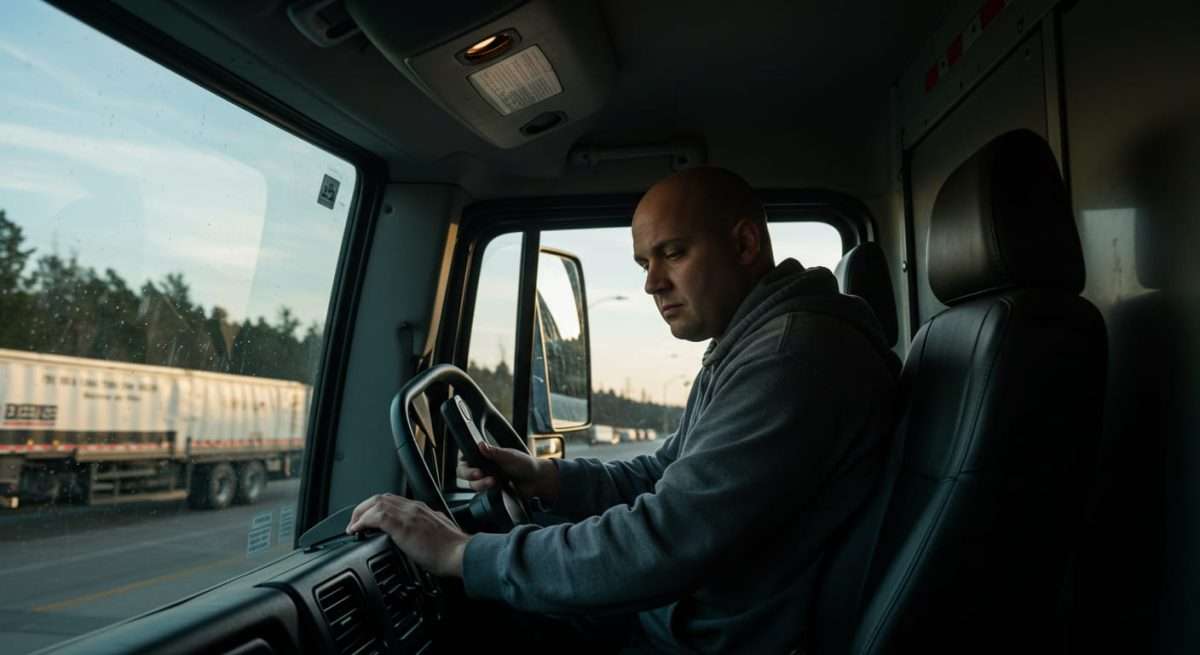
If you’re a commercial driver who has failed or refused a DOT drug or alcohol test, the road back to your CDL career starts with one critical step—completing the DOT SAP program. The good news? Whether you’re searching for a DOT SAP program near me or exploring online options, 2025 offers more accessible and flexible recovery paths than ever before. This guide covers everything you need to know about returning to duty, finding the right SAP program for trucking, and even connecting with 2nd chance trucking companies after SAP program completion. What Is a DOT SAP Program? The DOT SAP program (Substance Abuse Professional program) is a federally mandated process for CDL holders who have violated drug and alcohol regulations. It’s not just a one-time test or class—it’s a structured, multi-step program that ensures drivers are safe and ready to return to duty under the Department of Transportation (DOT) guidelines. A DOT-qualified SAP will: Evaluate your situation and determine the appropriate level of treatment or education. Monitor your progress. Reassess you before clearing you for return-to-duty testing. Recommend follow-up testing or support as needed. How to Find a DOT SAP Program Near Me If you’re searching “DOT SAP program near me,” you’re likely looking for fast, local help to get back on the road. Here’s how to start: 1. Use DOT’s SAP Provider Database The U.S. DOT maintains a searchable database of certified SAP professionals. You can filter by location and credentials to find trusted providers in your area. 2. Ask Your Employer or MRO Your current or previous employer, or the Medical Review Officer (MRO), may have a list of local DOT SAP programs they’ve worked with before. 3. Search for DOT SAP Program Online Options In 2025, many certified providers offer DOT SAP program online services, making it easier to complete evaluations and follow-ups from anywhere. This is especially helpful for drivers in rural areas or those working out of state. Benefits of Completing a SAP Program for Trucking Successfully completing a SAP program for trucking isn’t just about compliance—it’s your gateway to rebuilding your career. Here’s what you gain: Return to Duty Clearance: You’ll be eligible to take a DOT return-to-duty drug or alcohol test. Improved Employability: Many 2nd chance trucking companies after SAP program prefer drivers who’ve completed SAP steps responsibly. Reinstated Trust: A completed SAP program shows that you’re committed to safe driving and professional accountability. Access to Better Opportunities: Once cleared, you’re eligible for full-duty positions again, including OTR, local, and regional roles. 2nd Chance Trucking Companies After SAP Program Not all carriers are willing to hire drivers with past violations—but many are. These 2nd chance trucking companies after SAP program completion recognize the value of redemption and the importance of safety compliance. Here’s how to connect with them: Search Job Boards: Use filters like “SAP friendly” or “second chance” on job platforms such as Indeed, CDL Life, and TruckingTruth. Network with Recruiters: Reach out directly to trucking recruiters who specialize in helping SAP-cleared drivers. Look for Regional Carriers: Smaller, local or regional companies are often more flexible and willing to work with drivers who’ve completed the required SAP steps. Pro Tip: Highlight your SAP completion, clean return-to-duty test results, and ongoing commitment to compliance during your job search. Can I Complete a DOT SAP Program Online? Yes! Many certified providers now offer DOT SAP program online services that include: Virtual evaluations via video calls. Online educational or treatment modules. Electronic documentation submission. Remote follow-ups and assessments. Just make sure the provider is DOT-qualified and listed on the national registry, as only those professionals can officially clear you for return to duty. Steps to Get Back to Work After SAP Program Get Evaluated by a DOT-Certified SAP. Follow Their Treatment or Education Plan. Complete a Follow-Up Evaluation. Pass a Return-to-Duty DOT Test. Find SAP-Friendly Employers or Rejoin Your Carrier. Complete Any Required Follow-Up Testing. Each step must be documented and reported according to DOT regulations, so working with an experienced SAP is key. Conclusion: Your Road Back Starts Here If you’ve found yourself off the road due to a DOT violation, don’t lose hope. With the right guidance and a commitment to recovery, you can return stronger than before. Whether you’re searching for a DOT SAP program near me or prefer a DOT SAP program online, the process has never been more accessible in 2025. One standout option is SAPvaluate, a trusted provider offering DOT SAP program online services. They provide virtual evaluations, personalized treatment plans, and comprehensive support to help you navigate the return-to-duty process efficiently. Their affordable pricing and flexible payment options make it easier for drivers to get back on the road without financial strain. Remember: Completing your SAP program for trucking not only restores your license—it restores your confidence and career. And with many 2nd chance trucking companies after SAP program completion out there, your opportunity to get back behind the wheel is real. Take that first step today. Your future as a safe, professional driver is still well within reach.
SAP Program Costs: Breaking Down Fees for Evaluations, Treatment, and Compliance

For commercial drivers, failing a DOT drug or alcohol test can be more than just a professional setback—it triggers a mandatory return-to-duty process that can be lengthy, costly, and emotionally taxing. The SAP program for truck drivers is a critical part of this process, and understanding the costs involved can help drivers prepare both financially and mentally. In this guide, we’ll break down the SAP program price, explain what each step involves, and answer some of the most commonly asked questions—like “how long is the SAP program for truck drivers?” or “what does SAP mean in trucking?” What Is the SAP Program in Trucking? If you’ve ever asked, “what is SAP in trucking?” or “what does SAP mean in trucking?”, the answer is straightforward: The Substance Abuse Professional (SAP) program is a federally mandated process required by the Department of Transportation (DOT) for CDL holders who fail or refuse drug and alcohol testing. The goal of the SAP program in trucking is to ensure that any driver returning to safety-sensitive duties has received proper evaluation, completed a treatment or education plan, and demonstrated they are no longer a risk to public safety. SAP Trucking Meaning: Why Is It So Important? In simple terms, SAP trucking meaning refers to the procedures and standards laid out by the DOT that help ensure highway safety. Drivers must complete the SAP program before they can return to work in any DOT-regulated position. Skipping this process isn’t an option. Employers can’t legally allow a driver to operate without SAP clearance. That’s why many job listings explicitly say “No SAP drivers”—meaning they do not hire drivers who are in violation or currently undergoing the SAP process. So, when you see a job post with “no SAP drivers meaning”, it implies that the carrier prefers drivers with clean drug and alcohol testing records due to insurance risks and liability concerns. Also Read: What Happens If You Fail a DOT Physical Drug Test in 2025? SAP Assessments: The First Step The journey begins with a SAP assessment, which is a clinical evaluation conducted by a DOT-qualified Substance Abuse Professional. The SAP reviews your test history, conducts a clinical interview, and determines the appropriate level of treatment or education. Cost of SAP Assessments: Range: $150 – $500 Format: In-person or telehealth (virtual) Includes: Clinical evaluation, documentation, and a treatment or education plan The SAP program price starts here, but it’s just the beginning. The SAP’s recommendations will dictate the next and often more expensive steps. Treatment and Education: The Most Variable Costs Once the SAP assessment is complete, you’ll receive a referral to either an education course or treatment program. This phase varies widely based on your history, the SAP’s judgment, and the severity of the substance use. Education Programs Best for: First-time, low-risk violations Duration: 8–16 hours Cost: $300 – $1,000 Format: Online or classroom-based courses Outpatient Treatment Best for: Moderate substance issues Duration: 12–30 sessions Cost: $1,000 – $3,000 Format: Individual or group therapy, typically 1–2 sessions per week Inpatient Rehab Best for: Severe or repeat offenses Duration: 30–90 days Cost: $5,000 – $15,000+ Format: Residential treatment, includes room and board How Long Is the SAP Program for Truck Drivers? A common question is “how long is the SAP program?” or more specifically, “how long is the DOT SAP program for truck drivers?” The timeline depends on several factors: Education Only: 1–4 weeks Outpatient Treatment: 1–3 months Inpatient Rehab: 1–3 months, followed by outpatient support Follow-up Testing: 1–5 years (even after returning to work) On average, most drivers complete the core SAP process in 30–90 days, but monitoring and follow-up testing can continue for several years afterward. Follow-Up SAP Evaluations and Testing Costs Once you’ve completed treatment or education, the SAP will re-evaluate you to determine if you’re ready to take a Return-to-Duty (RTD) drug or alcohol test. Cost Breakdown: Return-to-Duty Test: $50 – $100 Follow-up SAP Evaluations: $100 – $300 per session Random Drug Tests (required): 6–12 tests annually for 1–5 years Each test costs: $40 – $80 Total follow-up testing costs: $300 – $1,200+ per year These follow-up tests are required by the DOT and must be completed exactly as outlined in your SAP’s plan. Skipping or failing any test resets the process and can lead to disqualification. Additional Hidden Costs Drivers often overlook the indirect costs of the SAP process, which can add up quickly: Lost Wages: Unpaid time off during treatment Transportation: Travel for treatment or testing Legal Fees: If you challenge a test result SAP Report Fees: $50 – $150 for documentation to employers Tips to Manage SAP Program Costs Compare SAP Providers: Use platforms like SAPvaluate to find affordable, DOT-qualified professionals in your area. Ask for Virtual Services: Many providers offer telehealth evaluations, saving time and money. Request a Payment Plan: Many treatment centers allow installment payments. Check with Employers or Unions: Some offer financial support or EAP (Employee Assistance Program) resources. Final Thoughts Completing the SAP program for truck drivers is essential for reinstating your CDL and getting back on the road. While the SAP program price can seem steep, it’s a critical investment in both your career and long-term safety. Understanding each stage—from SAP assessments to follow-up testing—can help you prepare financially and avoid unnecessary delays. To make the process smoother, it’s crucial to stay compliant, choose DOT-qualified providers, and ask the right questions. One of the best ways to get started is by using platforms like SAPvaluate, which connects drivers with affordable, certified SAP professionals nationwide. Whether you’re looking for virtual assessments or need help comparing treatment options, SAPvaluate is designed to simplify your path back to compliance.
I Failed My Dot Drug Test Now What?

What Happens If You Fail a DOT Physical Drug Test in 2025?

The Department of Transportation (DOT) enforces stringent drug testing protocols for safety-sensitive roles, including commercial drivers. Failing a DOT drug test in 2025 carries severe consequences, from immediate job loss to long-term career challenges. This blog explores the latest updates, legal implications, and recovery pathways for drivers navigating this critical issue. 1. Understanding DOT Drug Testing in 2025 What Constitutes a Failed Test? A DOT drug test failure occurs when: A urine sample exceeds 2025 cut-off levels for marijuana (THC), cocaine, opiates, amphetamines, or PCP. A breath alcohol test registers 0.04% or higher 8. A driver refuses to test, including leaving the collection site early, not providing a sample, or tampering with the process. Refusals are treated as equivalent to a positive result under §40.191 of DOT regulations. 2. Immediate Consequences of Failing a DOT Drug Test Removal from Safety-Sensitive Duties Drivers are immediately barred from operating commercial motor vehicles (CMVs) upon a failed test. Employers must enforce this removal to comply with FMCSA regulations. Substance Abuse Professional (SAP) Evaluation A mandatory evaluation by a DOT-qualified SAP is required. The SAP assesses the driver’s substance use history and designs a treatment or education plan. 3. The Return-to-Duty Process: Steps to Reinstatement Regaining eligibility involves a structured, multi-step process: SAP Assessment: A personalized plan is created, which may include counseling or rehabilitation. Treatment Completion: Drivers must finish the SAP-recommended program. Follow-Up Evaluation: The SAP verifies compliance and readiness to return. Return-to-Duty Test: A directly observed drug test with negative results is required. Follow-Up Testing: At least 6 unannounced tests over 12–60 months ensure ongoing compliance. Failure to complete any step delays reinstatement indefinitely. 4. Long-Term Career and Legal Implications Permanent Record in the DOT Clearinghouse Failed tests are recorded in the FMCSA Clearinghouse for 5 years or until RTD completion. Employers nationwide access this database, impacting future job prospects. Employer Discretion and Legal Risks Employers may terminate employment, and drivers risk losing unemployment benefits. Legal liabilities arise if substance use contributes to accidents. 5. 2025 Trends: New Testing Methods and Challenges Hair Follicle Testing Rolled out in 2025, this method detects drug use up to 90 days prior, making evasion nearly impossible. Confirmation of positive results may require urine testing for final validation. Oral Fluid Testing Approved as a complementary method, oral tests identify recent drug use (within 24–48 hours) and are less invasive. Expanded Panels for Opioids Some companies now test for synthetic opioids like fentanyl due to rising misuse. 6. Avoiding False Positives and Managing Prescriptions CBD and Medical Marijuana CBD products may trigger THC positives, risking failed tests despite federal legality. Medical marijuana remains prohibited for CDL drivers under federal law, even in states like Florida. Prescription Medications Disclose prescriptions to the Medical Review Officer (MRO) before testing. Valid prescriptions can overturn false positives. 7. How to Protect Your Career Stay Informed: Regularly review FMCSA updates and employer policies. Avoid Prohibited Substances: Refrain from marijuana, stimulants, and non-prescribed opioids. Pre-Test Screening: Conduct independent tests to identify risks beforehand. Navigating the Road to Recovery? Failing a DOT drug test in 2025 is a serious setback but not career-ending. By adhering to the RTD process, staying compliant with evolving testing standards, and maintaining transparency with employers, drivers can rebuild their professional standing. Prioritizing sobriety and safety ensures long-term success in the transportation industry. Rebuilding Your Career with Expert Guidance from SAPvaluate Failing a DOT drug test in 2025 is a pivotal moment that demands immediate action, accountability, and a strategic path forward. While the consequences are severe, they are not insurmountable—especially with the right resources. This is where SAPvaluate steps in as a critical ally for drivers navigating the return-to-duty (RTD) process. How SAPvaluate Streamlines Recovery SAPvaluate offers a modern, tech-driven platform that connects drivers with DOT-qualified Substance Abuse Professionals (SAPs) who specialize in: Swift Evaluations: Accelerated assessments to minimize downtime and fast-track your RTD plan. Customized Treatment Programs: Tailored recommendations aligned with 2025 DOT compliance standards. Follow-Up Coordination: Seamless tracking of progress and mandatory follow-up testing requirements. By leveraging SAPvaluate’s nationwide network of certified SAPs, drivers gain clarity, reduce administrative hurdles, and ensure adherence to evolving FMCSA regulations. Why Trust SAPvaluate? Transparency: Real-time updates on your case status via their online portal. Compliance Guarantee: All SAP recommendations meet federal guidelines, protecting your eligibility. 24/7 Support: Access to experts who understand the urgency of resuming your career. Your Next Steps If you’ve failed a DOT drug test, don’t navigate this complex process alone. Visit SAPvaluate to connect with a SAP, design your recovery roadmap, and reclaim your place on the road. With the right support, this setback can become a stepping stone to a safer, more resilient career in transportation.
Can You Challenge a False Positive on a DOT Drug Test?

Failing a drug test can be a career-altering event—especially in safety-sensitive jobs regulated by the Department of Transportation (DOT). But what if that test result isn’t accurate? False positives do happen, and employees have the right to challenge them. If you’re facing a DOT violation based on a disputed result, knowing your rights and the role of a DOT SAP Evaluation is essential. What Is a False Positive Drug Test? A false positive occurs when a drug test incorrectly detects a substance you didn’t actually use. This can happen due to: Cross-reacting prescription medications (e.g., antidepressants, antibiotics) Over-the-counter products (like decongestants) Contaminated samples or lab error Improper sample handling In DOT-regulated environments, these errors must be addressed quickly and properly, as even a single failed test can remove you from your job duties immediately. Can You Challenge a False Positive on a DOT Drug Test? Yes. Under DOT regulations, employees have the right to, The DOT allows an employee who tests positive for drug use to dispute the result within 72 hours of being notified. If the employee chooses to dispute it, a more detailed, secondary test is conducted. This second test is performed using the original specimen—no new sample is required from the employee. Request a confirmation test (GC/MS or LC/MS), which is more specific and accurate. Provide information about prescription medications or supplements they’ve taken that might cause a false positive. Request retesting of the split sample (the second portion of your urine specimen) at a certified lab. If a Medical Review Officer (MRO) cannot confirm the presence of illegal drugs based on your medical information or further lab testing, the test may be overturned or not reported as a violation. What Happens If the Test Result Sticks? If the positive result is confirmed and reported to your employer, even if you still believe it to be false, you will need to go through the DOT SAP Evaluation process before being considered for return-to-duty. This includes: A face-to-face evaluation with a certified Substance Abuse Professional (SAP) Completion of a tailored treatment or education program A follow-up SAP evaluation A return-to-duty test (which must be negative) Participation in follow-up testing as required by the SAP Even in cases of disputed positives, DOT requires this process to be followed before allowing a return to safety-sensitive work. How to Dispute a False Positive Drug Test Identify possible causes, and navigate the DOT SAP evaluation process if required. Request a Retest Most drug testing programs allow employees to request a retest, especially if the test was conducted under DOT regulations. The retest is usually performed on the same sample by a different certified laboratory. Since drug test samples are split into two portions, you can ask for a reanalysis of the second portion to verify accuracy. It’s important to act quickly because retest requests often have strict deadlines. Contact the testing agency or your employer as soon as you receive the results. A new test on a fresh sample is unlikely to be approved, so make sure to ask for a retest of the original sample to challenge the initial findings. Identify Possible Causes of False Positives Certain medications and foods can cause false positives on drug tests. Over-the-counter drugs like cold medicines with pseudoephedrine, pain relievers such as ibuprofen, and prescription medications for ADHD or depression can interfere with test results. Even poppy seeds, tonic water, and some herbal supplements have been linked to false positives. If you were taking any medication or consuming substances that could have affected the test, inform the Medical Review Officer (MRO). The MRO is responsible for reviewing drug test results and can request medical documentation to determine whether the positive result was due to a legitimate prescription or other legal substance. Review the Chain of Custody Drug testing follows a strict chain of custody process to prevent errors, but mistakes can still happen. Issues such as sample mislabeling, contamination, or mishandling during transport or storage can result in inaccurate results. If you suspect an error, request documentation of how your sample was collected, stored, and tested. Employers and testing facilities must maintain clear records of each step in the testing process. If the chain of custody was broken at any point, you may have grounds to challenge the validity of the test. Reviewing these details can help you identify procedural errors that may have led to a false positive. Seek Legal or HR Assistance If your employer refuses to reconsider the test results despite clear evidence of a false positive, seeking legal or HR assistance may be necessary. Employment attorneys can help you understand your rights and determine the best course of action. If you are part of a union, your representative may also assist in challenging the results. Having legal or HR support can make a significant difference, especially if your employer is unwilling to investigate further. A lawyer can review company policies, ensure your rights are protected, and help negotiate a fair resolution. In some cases, they may also be able to secure a retest or reversal of the decision. Complete the DOT SAP Evaluation if Required If you fail a DOT-regulated drug test, even due to a false positive, you may still be required to complete a DOT SAP evaluation before returning to work. This process ensures compliance with federal regulations and involves an assessment by a certified Substance Abuse Professional (SAP). The SAP will evaluate your case, determine if any treatment or education is needed, and provide a recommendation. Once you complete the required steps, you must pass a follow-up drug test before resuming safety-sensitive duties. Even if the initial result was incorrect, following this process is often necessary to regain your position. Read More: Understanding the DOT Return-To-Duty Process: A Comprehensive Guide for Drivers How a DOT SAP Evaluation Can Help The DOT SAP Evaluation process isn’t just a formality—it’s your chance to demonstrate your commitment to safety and responsibility, even if the original test result was controversial. A
What Is a SAP Driver and Why It’s Important for Trucking

In the world of commercial trucking, safety and responsibility are top priorities. When a truck driver fails a DOT-mandated drug or alcohol test, it’s not just a personal setback—it’s a federal issue that requires professional intervention. This is where the SAP program for truck drivers comes into play. But what exactly is a SAP driver, and why is this term becoming so important in today’s trucking industry? Let’s break it down. What Is SAP in Trucking? SAP stands for Substance Abuse Professional. In trucking, a SAP is a federally qualified professional who evaluates drivers who have violated DOT drug and alcohol regulations and helps determine when they are fit to return to safety-sensitive duties. So, when someone asks “What is SAP in trucking?” they’re referring to a process that ensures any driver who has tested positive for drugs or alcohol can’t return to the road until they’ve completed a SAP evaluation and treatment program. What Is a SAP Driver? A SAP driver is someone who is currently undergoing or has completed the SAP program after a drug or alcohol violation. These drivers are ineligible to drive until they complete certain DOT-mandated steps, including: An initial SAP assessment A recommended treatment or education plan A follow-up SAP evaluation A series of random follow-up tests (typically over 12–60 months) In short, the SAP driver meaning refers to a commercial driver who has been flagged by DOT testing protocols and is currently working to regain their CDL privileges through a SAP. What Is the SAP Program in Trucking? The SAP program for truck drivers is a structured return-to-duty process governed by the Department of Transportation (DOT). It ensures drivers who fail or refuse a drug/alcohol test are properly evaluated, treated, and tested before resuming safety-sensitive tasks. Key steps of the SAP program include: SAP Assessment – The driver meets with a certified SAP for an evaluation. Treatment/Education Plan – Based on the assessment, the SAP outlines what the driver must complete. Compliance Check – The driver finishes the program and returns for a follow-up evaluation. Return-to-Duty Test – The driver must pass a drug/alcohol test before being cleared to drive. Follow-Up Testing – DOT requires a minimum of six unannounced tests over 12 months, but this can extend up to 5 years. So when someone asks, “What is SAP program in trucking?”, it’s this entire process that helps ensure public safety by making sure drivers return to duty responsibly and with proven sobriety. SAP Trucking Meaning in the Industry In the trucking industry, SAP trucking meaning goes beyond compliance—it’s about safety, liability, and professionalism. Carriers are legally required to follow the SAP process for any driver who violates DOT regulations. Failing to do so can result in serious penalties. Some carriers specifically note “no SAP drivers” in job postings. If you’ve seen this, you might be wondering: What Does “No SAP Drivers” Mean? When a company states “no SAP drivers”, it typically means they do not hire drivers currently in the SAP program or those who have failed a drug or alcohol test in the past. This is often because: The company may not have the infrastructure to manage SAP compliance. Their insurance providers restrict them from hiring drivers with a history of violations. They want to maintain a 100% clean driving team for liability reasons. So if you’re a SAP driver or have recently failed a drug test, it’s important to look for employers that are open to giving second chances after SAP completion. What Happens If a Driver Fails a Drug or Alcohol Test? Alright, now you know what a SAP driver is. Now, let’s say a trucker fails a test. What now? Immediate Removal from Safety-Sensitive Duties: This means they’re off the road, no questions asked. Meet with a SAP (Substance Abuse Professional): This isn’t just a quick chat. A certified SAP evaluates the driver and sets up a plan for education, treatment, or both. Complete the Program: Depending on the situation, this could mean counseling, rehab, or follow-up testing. Pass a Return-to-Duty Test: Before getting back behind the wheel, the driver has to pass a monitored drug or alcohol test. Random Follow-Ups: Even after they’re cleared, the driver will undergo unannounced drug and alcohol tests for a while to ensure they stay on track. ALSO READ: DOT SAP Program Explained: Helping You Get Back Behind the Wheel How Long Is the SAP Program for Truck Drivers? One of the most common questions we hear is: “How long is the SAP program for truck drivers?” The truth is, there’s no one-size-fits-all answer. The length of the program depends on: The severity of the violation The driver’s attitude and cooperation The type of treatment or education required That said, most drivers complete the SAP process in 1 to 3 months, though some may take longer. The follow-up testing program, however, can last up to 5 years, depending on the SAP’s recommendations. To summarize: Step Typical Timeframe Initial SAP Evaluation 1–2 days Treatment or Education 1 week to 3 months Return-to-Duty Test After completing treatment Follow-Up Testing 1 to 5 years Why SAP Assessments Matter SAP assessments are the first and most important step in the return-to-duty process. During this assessment, the SAP evaluates the driver’s condition and risk of substance use disorder, then creates a treatment or education plan customized to the individual. This is not a test you can “pass” or “fail.” Rather, it’s a clinical evaluation that helps determine what you need to do to safely return to work. Choosing a reputable provider for your SAP assessment is essential. An experienced SAP can: Guide you through the program Offer resources to speed up your return Communicate with employers to ensure DOT compliance Also Read: What Trucking Companies Hire Me After SAP Program Final Thoughts If you’re a commercial driver who has recently failed a drug or alcohol test, you’re probably overwhelmed. But here’s the good news: the SAP program for truck drivers exists to help—not punish—you. Completing it
How Long Does the Return to Duty Process Take?

The Return to Duty (RTD) process is crucial for employees who have violated drug or alcohol policies in safety-sensitive industries, especially within the transportation sector. This process ensures that the individual has received the necessary treatment and education before they can safely return to their duties. The RTD timeline can vary significantly depending on the severity of the violation, the individual’s response to treatment, and the recommendations provided by a Substance Abuse Professional (SAP). In this blog, we will break down the key stages of the RTD process, giving both employers and employees a clear understanding of how long it typically takes and what to expect. Key Steps in the Return-to-Duty Process The RTD process after a drug or alcohol violation generally includes the following stages: 1. Initial Assessment and SAP Evaluation The first step in the RTD process is an assessment by a Substance Abuse Professional (SAP). After a positive drug or alcohol test, the employee is required to attend a face-to-face evaluation with the SAP. The SAP’s role is to evaluate the severity of the violation and to determine what kind of treatment or education program the employee should complete. Timeline: The initial assessment usually takes a few days to a week to schedule and complete, depending on the availability of the SAP. The SAP will then provide recommendations for the necessary treatment or education plan. 2. Treatment/Education Completion Once the SAP has assessed the situation, the employee will need to complete the recommended treatment or education program. The length of time it takes to finish this stage depends on the severity of the violation and the type of program recommended. Timeline: Treatment or education programs can last anywhere from a few weeks to several months. More serious violations or addiction issues may require longer treatment periods, while those with less severe violations may need only short educational sessions. 3. Follow-up Testing After completing the treatment or education program, the employee will be required to undergo follow-up testing. This is a crucial step in the RTD process to ensure that the individual is no longer using drugs or alcohol. Timeline: Follow-up testing is typically directly observed and can last for several years. The testing frequency is determined by the SAP but is usually random and periodic to ensure compliance over time. 4. Clearinghouse Reporting Once the driver has successfully passed the return-to-duty drug and alcohol test, the employer must report the negative test result to the FMCSA Clearinghouse. This is required by law to ensure the driver’s violation is officially resolved. Timeline: Employers are required to report the results within a specific timeframe, typically within a few business days after the test results are confirmed as negative. 5. Violation Duration in the Clearinghouse The violation will stay in the FMCSA Clearinghouse for a period of five years after the driver has completed the RTD process. However, if the driver does not complete the required treatment or education, the violation will remain in the Clearinghouse indefinitely until the process is completed. Timeline: The violation stays in the Clearinghouse for five years after successful completion of the SAP process, providing a record of the violation. Also Read: What Happens if You Fail a Return-to-Duty Drug Test? How Long Does the Return-to-Duty Process Take? In general, the Return-to-Duty (RTD) process can take anywhere from a few weeks to several months, depending on the individual’s circumstances and the recommendations from the Substance Abuse Professional (SAP). Initial Evaluation: A few days to a week for the SAP assessment and treatment recommendations. Treatment or Education Completion: Can range from several weeks to a few months, depending on the severity of the violation and the required treatment. Follow-up Testing: This process can continue for several years, with periodic testing to ensure the employee remains compliant. Reporting to Clearinghouse: Employers must report negative test results to the FMCSA Clearinghouse within a specified timeframe, typically within a few business days. Also checkout: How to Find SAP Friendly Trucking Jobs? Key Factors That Influence the RTD Timeline Several factors can influence how long the RTD process takes, including: Severity of the Violation: Serious violations may require more intensive treatment programs, extending the RTD process. Employee Participation: The employee’s commitment to completing the recommended treatment and follow-up testing plays a significant role in how quickly they can return to work. SAP’s Recommendations: Depending on the SAP’s evaluation, the length of the treatment and education process may vary. Company Policy: Different employers may have varying policies for how they handle the RTD process, affecting how long it will take to return to duty. Conclusion The Return-to-Duty (RTD) process following a drug or alcohol violation is essential for ensuring safety and compliance in the workplace. While the length of the process can vary, understanding the key steps involved—such as the SAP evaluation, treatment completion, follow-up testing, and reporting—can help employees and employers navigate the journey back to work. For employers and drivers in safety-sensitive industries, it’s critical to follow these steps to not only comply with regulations but to also prioritize the health and well-being of employees. Remember, the RTD process typically takes a few weeks to several months based on the individual’s situation and adherence to the prescribed treatments and tests. At SAP Valuate, we are committed to helping employers navigate the complexities of the RTD process, offering tools and support to ensure a smooth and compliant transition back to work. Learn more about how we can assist your organization by visiting SAP Valuate.