
Is a DOT SAP Evaluation Only for Truck Drivers? Here’s Who Really Needs It
When most people hear about a DOT SAP evaluation, they immediately think of truck drivers. It’s true — CDL drivers make up a large part of the people we help. But at SAPvaluate, we know that DOT drug and alcohol regulations apply to many safety-sensitive transportation roles, not just trucking. If you’ve violated a DOT drug or alcohol rule whether you’re a pilot, bus driver, train operator, or even a pipeline worker — you may still need a DOT-qualified Substance Abuse Professional (SAP) evaluation before you can return to work. What Is a DOT SAP Evaluation? Under federal regulation 49 CFR Part 40, a SAP (Substance Abuse Professional) is a qualified SAP counselor or clinician who evaluates any employee who violates DOT’s drug or alcohol rules (positive tests, refusals, etc.). The SAP’s role includes: Conducting a clinical evaluation to assess the employee’s situation (drug history, medical conditions, etc.) Recommending education and/or treatment programs. Completing a follow-up evaluation to verify if the person complied with the treatment or education plan. Setting a follow-up testing plan (random drug/alcohol tests after the return-to-duty) Writing reports to the employer’s Designated Employer Representative (DER) or relevant authority. The SAP evaluation is a required step before a person can resume “safety-sensitive duties” under DOT, when they have had a violation. Who Falls Under the DOT Drug & Alcohol Rules? The DOT’s rules don’t just cover trucking. Multiple federal agencies have safety-sensitive positions regulated by DOT or under DOT-administered programs. Here are some of them: DOT-Related Agency Examples of Covered Employees / Roles FMCSA (Federal Motor Carrier Safety Administration) Commercial truck drivers, bus drivers, some motorcoach, some fleet drivers FAA (Federal Aviation Administration) Pilots, flight engineers, flight attendants, air traffic controllers FRA (Federal Railroad Administration) Train engineers, conductors, signal persons FTA (Federal Transit Administration) Bus operators, transit rail employees PHMSA (Pipeline & Hazardous Materials Safety Admin.) Employees handling hazardous materials in transport, pipeline operators USCG (U.S. Coast Guard) Marine personnel involved in transportation, shipping, vessel operations Because these roles carry risk (moving vehicles, transporting people or dangerous goods), the DOT expects strict drug and alcohol oversight. In short, if your job involves public safety or the safe operation of transportation equipment, DOT drug and alcohol rules likely apply to you. That means you could need a SAP evaluation if you’ve had a: Positive drug test Positive alcohol test (≥ 0.04 concentration) Refusal to test Adulterated or substituted specimen Violation of DOT’s drug or alcohol prohibitions When Is a SAP Evaluation Required? It is not arbitrary — the regulation spells out when a SAP evaluation is mandatory: According to 49 CFR § 40.285: “As an employee, when you have violated DOT drug and alcohol regulations, you cannot again perform any DOT safety-sensitive duties for any employer until … you complete the SAP evaluation, referral, and education/treatment process …” What counts as a violation? Among others: A verified positive DOT drug test result. A DOT alcohol test with alcohol concentration ≥ 0.04. A refusal to take a test, including adulterating or substituting specimens. Any other violation of DOT’s prohibition on use of alcohol or drugs under the DOT rules. Also, per § 40.289, while employers are not required to pay for the SAP evaluation or treatment, if they want to allow you back into safety-sensitive work, they must ensure you get the SAP evaluation and follow its recommendations. Thus, a SAP evaluation is not optional in those cases: it’s a legal requirement before resuming safety-sensitive work. Why It’s Not Just for Truck Drivers Because DOT covers many transportation sectors, many types of workers beyond truckers may need a SAP. Here are some real-world examples: A commercial airline pilot with a failed drug or alcohol test A railroad engineer who refuses a post-accident drug test A transit bus driver under FTA who tests positive A hazmat driver or pipeline operator under PHMSA A USCG vessel operator who violates substance rules An air traffic controller with alcohol violation in their regulated DOT program In every case, the person is in a safety-sensitive role governed by DOT or a DOT-associated rule, so the rules apply. So yes — even though many people think “SAP = truck driver,” the reality is broader: any DOT safety-sensitive employee with a violation must complete the SAP process before returning to duty. What Happens During the SAP & Return-to-Duty (RTD) Process Here is a breakdown of the steps and what you should expect: Initial SAP Evaluation You meet with a DOT-qualified SAP (licensed counselor, psychologist, etc.) The assessment is a clinical evaluation — in person or, subject to credentialing rules, via remote/telehealth. SAP gathers background, history, test records, and risk factors. Recommendation of Education and/or Treatment Based on evaluation, the SAP recommends programs (education classes, outpatient counseling, inpatient treatment, aftercare) The SAP writes a formal report to the employer’s DER with recommendations and must not allow others to change that evaluation. Completion of the Program You attend the recommended courses or therapy until completion. The SAP monitors compliance. Follow-Up Evaluation The SAP assesses whether you followed the treatment or education plan successfully. SAP then recommends if you are ready for a Return-to-Duty (RTD) test Return-to-Duty Test When cleared by SAP, you take a DOT drug or alcohol test. You must test negative (no drugs, or below acceptable alcohol threshold) to resume safety-sensitive duties. Follow-Up Testing Period Even after returning, you will be under random, unannounced follow-up testing for a period determined by the SAP (at least 12 months typically) Employer & Clearinghouse Reporting SAP reports results to DER. RTD negative test is reported, changing your status in the DOT Clearinghouse so you may legally return to DOT safety-sensitive work. Dealing with a DOT Violation After a Positive Drug Test? Here’s How SAPvaluate Can Help Getting a positive DOT drug test result can feel devastating — especially if you rely on your commercial driver’s license or another safety-sensitive position for your livelihood. But here’s the truth: a positive test doesn’t mean your career is over. You can
What to Do if Your CDL Has Been Downgraded After a Drug or Alcohol Violation
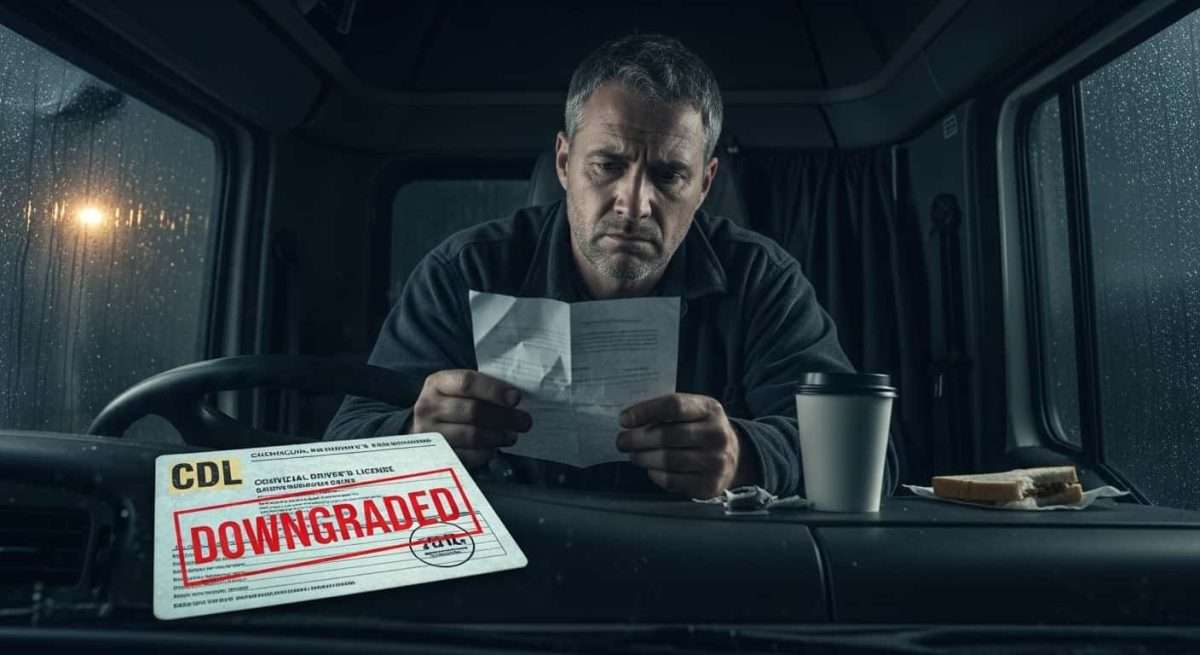
What It Means When Your CDL Is Downgraded If your Commercial Driver’s License (CDL) has been downgraded after a drug or alcohol violation, it means you’ve temporarily lost the privilege to drive commercial (heavy or fleet) vehicles. Instead, you’re left with a “non‑commercial” license (i.e. like a standard driver’s license) until you restore your commercial driving rights. Under the new FMCSA Clearinghouse rules (effective November 18, 2024), state licensing agencies must remove commercial driving privileges (i.e. downgrade the CDL or CLP) when a driver’s status in the Drug & Alcohol Clearinghouse is “prohibited.” Downgrade means: You cannot operate a commercial motor vehicle (CMV). You lose commercial endorsements (e.g. for heavy trucks, hazardous materials, etc.). You must complete the required return-to-duty (RTD) process before your CDL privileges can be reinstated. One state example: Washington’s licensing agency states that a CDL is “downgraded” when your Clearinghouse shows a “prohibited” status. You’ll remain downgraded until your status changes to “not prohibited.” Why Did This Happen to You? (The Rules Behind Downgrade) New Regulatory Requirements The FMCSA introduced changes so state Driver Licensing Agencies (SDLAs) must check the Clearinghouse before issuing, renewing, or upgrading CDLs or commercial learner’s permits (CLPs). If a driver has an unresolved drug/alcohol violation (i.e. “prohibited” status), the SDLA is required to downgrade their CDL within 60 days. Essentially, you’re downgraded because you are in prohibited status under the Clearinghouse. Until that prohibition is lifted — via completing necessary steps — your CDL is dormant. The Clearinghouse Status Your violation (a positive test, refusal, or missed follow-up) is reported to the FMCSA’s Drug & Alcohol Clearinghouse. That system labels you as “prohibited,” blocking your ability to legally drive a commercial vehicle until you meet the return-to-duty conditions. Immediate Steps to Take After a Downgrade If your license has been downgraded, don’t panic — there is a path forward. Here’s what to do right away: Confirm your status in the ClearinghouseLog in and check whether your status is “prohibited.” This confirms the reason for the downgrade. Contact your state licensing agency (SDLA)Ask them for the formal notice or documentation of the downgrade and instructions for reinstatement. Inform your employer (if employed in a CDL job)Let your company’s Designated Employer Representative (DER) or HR know. You’ll likely be removed from safety-sensitive duties until reinstated. Arrange for a DOT‑qualified SAP evaluationYou must go through a Return‑to‑Duty (RTD) process under DOT rules (49 CFR Part 40, Subpart O). This starts with a Substance Abuse Professional (SAP) evaluation. Complete treatment/education & negative RTD testFollow the SAP’s plan (counseling, education, therapy) and pass the return-to-duty drug/alcohol test. Follow-up testing periodAfter a restart, you will undergo random follow-up testing (often at least 6 tests in the first 12 months). Maintain full compliance. Provide proof to the licensing agency / SDLAOnce your clearinghouse status is updated to “not prohibited,” submit the documentation to your SDLA so they can revive your CDL privileges. Check for reinstatement timingSome states will reinstate automatically once status is cleared; others require a formal application. Ask your SDLA about their process. What Happens During the Reinstatement Process Here’s what you can expect as your CDL returns: Phase What Happens Key Points SAP & Evaluation SAP conducts an evaluation and recommends a treatment/education plan You choose a DOT‑qualified SAP; the employer must provide a list Treatment / Education You complete the assigned program(s) Could be local counseling, addiction education, therapy sessions Follow-Up Evaluation SAP assesses your compliance Ensures you meet your treatment goals Return-to-Duty (RTD) Test You take a drug/alcohol test that must come back negative This is your “clearance” test Clearinghouse Update Your employer files the negative RTD result, changing your status to “not prohibited.” This unlocks your ability to re‑gain CDL rights Reinstatement by SDLA State agency re-issues your commercial privileges You may need to fill out forms or show documentation Once all that is done, your CDL (and endorsements) should be restored, and you may resume safety-sensitive duties. Things to Watch Out For / Pitfalls Delays in paperwork: Even after completing all steps, the SDLA might take time to process your reinstatement. Non‑acceptance of a SAP provider: Make sure your SAP is DOT‑qualified and accepted by your employer and state. Missing or refusing follow-up tests: Any violation during the follow-up period could set you back again. State-specific rules: Some states have extra steps, fees, or timelines for reinstatement. Endorsement requalification: In some cases, when your CDL is downgraded, you might lose endorsements (e.g. hazmat) and have to requalify tests. Clearinghouse retention period: Even after reinstatement, violations stay in the Clearinghouse database for 5 years from completion of follow-up. A driver on Reddit asked: “So with this new rule … do CDL holders with violations on the clearinghouse lose their license for good or is it just downgraded until they complete the RTD and their license will be upgraded back?”— “Your Class A license will be downgraded into a Class D. Once you complete the RTD program … you can get a new CDL.” (reddit.com) This aligns with how the rules are intended: downgrade is not permanent, provided you complete all RTD steps. Tips to Speed Up Your Recovery Start the RTD process immediately — Don’t wait. The longer you stay in “prohibited,” the further behind you fall. Keep all documentation organized — treatment records, attendance, negative test results, correspondence with SAP and state agency. Communicate with your DER / employer — ensure they are aware and supportive so they can help with paperwork and Clearinghouse updates. Use reputable SAP services — possibly virtual ones that specialize in DOT rules. Don’t skip or delay follow-up tests — compliance is essential after reinstatement. Stay sober and committed — your behavior now will make or break your ability to get back behind the wheel. CDL Downgrade Recovery Checklist Use this checklist to stay on track if your CDL has been downgraded after a drug or alcohol violation: Check your status in the FMCSA Clearinghouse — Confirm you are listed as “prohibited.”Contact your state licensing agency
What Happens If You Miss a Follow-Up DOT Drug Test?
Missing a follow-up DOT drug test is a serious issue that can have major consequences for your job, license, and career. The U.S. Department of Transportation (DOT) has strict rules when it comes to drug and alcohol testing — especially for employees in safety-sensitive positions like truck drivers, pilots, or train operators. In this post, we’ll explain what a follow-up DOT drug test is, what happens if you miss it, and what steps you should take if you find yourself in this situation. What Is a Follow-Up DOT Drug Test? A follow-up drug test is part of the Return-to-Duty (RTD) process under DOT regulations (49 CFR Part 40). It applies to employees who have previously tested positive for drugs or alcohol or refused a test and are now returning to safety-sensitive work. After completing a Substance Abuse Professional (SAP) evaluation and being cleared to return to duty, the employee must undergo a follow-up testing program. Key facts about follow-up testing: Tests are unannounced and can occur anytime, day or night. The employee cannot predict when a test will be scheduled. The testing period lasts for at least 12 months, but it can extend up to 5 years, depending on the SAP’s recommendations. The number of tests is decided by the SAP, but at least six tests must occur in the first year. Read More: How the DOT SAP Program Works After a Failed Drug Test What Happens If You Miss a Follow-Up DOT Drug Test? Missing a follow-up DOT drug test is treated the same as refusing a test — and that’s a serious violation under DOT rules. Here’s what that means: 1. It’s Considered a “Refusal to Test” Under DOT regulations, failure to appear for a required test (including a follow-up test) is a refusal. It doesn’t matter if you missed it accidentally or due to personal reasons once the test is missed, it’s reported as a refusal. 2. You’ll Be Removed From Safety-Sensitive Duties Once a refusal is reported, your employer must immediately remove you from performing any safety-sensitive functions. For example: Truck drivers cannot drive commercial vehicles. Pilots cannot fly aircraft. Railroad workers cannot operate trains. You can’t return to work until you complete another SAP process and pass a new Return-to-Duty test. 3. Your Record Will Be Reported to the FMCSA Clearinghouse For commercial drivers (CDL holders), the missed test will be reported to the FMCSA Drug and Alcohol Clearinghouse. This means: Other employers will see the violation if they check your record. You cannot get a new safety-sensitive job until you complete the SAP and RTD requirements. 4. It Can Impact Your Employment and Career Employers take DOT compliance seriously. Missing a follow-up test can lead to: Termination of employment. Difficulty finding new jobs in safety-sensitive positions. Permanent record of non-compliance in the Clearinghouse. Read More: Can I Change Jobs Before Completing Follow-Up SAP Testing? Are There Any Acceptable Reasons for Missing a Follow-Up Test? DOT regulations leave very little room for excuses. If you miss the test because of a medical emergency or other unavoidable situation, you must immediately contact your employer or testing coordinator and provide documentation. However, the final decision about whether your reason is acceptable rests with your employer’s Designated Employer Representative (DER). Even then, most missed tests are still treated as refusals — so it’s best to never miss or delay a follow-up test if you can avoid it. What To Do If You Missed a Follow-Up DOT Drug Test If you’ve already missed a follow-up test, here’s what you should do: Contact your employer immediately.Explain the situation honestly and provide any proof (like hospital records or flight delays) if applicable. Reach out to your SAP.You’ll likely need to restart or continue the SAP process before returning to duty. Do not perform safety-sensitive work.Continuing to work before being cleared can cause even more serious penalties. Prepare for additional testing and costs.You’ll need to take another Return-to-Duty test and start another follow-up testing schedule, which you’ll likely pay for yourself. How To Avoid Missing a Follow-Up DOT Drug Test Follow these simple tips to stay compliant: Keep your contact info updated with your employer or testing provider. Always answer calls or texts from your testing coordinator. Don’t travel without informing your employer. Keep reminders or calendar alerts if you’re in a follow-up program. Remember: Follow-up tests are random, and you usually get no advance notice, so you must be ready anytime. Good News: Return-to-Duty Made Easy: Find a DOT SAP Program Near You Why SAPvaluate in Case of Missing a Follow-Up Test? Since missing a follow-up DOT drug test is essentially treated as a refusal, it can trigger a requirement to re-enter the Return-to-Duty (RTD) process—including obtaining a new SAP evaluation, satisfying treatment, retaking the RTD test, and starting a fresh follow-up testing schedule. SAPvaluate offers to help people in exactly that situation: those who have had a DOT violation (failed or refused test) and now need to get back into compliance. In other words: If your missed test leads to being prohibited from safety-sensitive work, SAPvaluate is one option of a SAP evaluation service you could use to work your way back. They can guide you through the steps, help with paperwork, and help you meet DOT rules so you can regain eligibility. Because their services are virtual and they offer a standardized fee, they may help expedite the process for people who want to resolve a violation efficiently. So, when you advise someone “stay in contact, follow every test” to protect their career, you can also note: if something does go wrong, services like SAPvaluate exist to help you recover. The Bottom Line Missing a follow-up DOT drug test is not a small mistake — it’s treated as a serious violation that can cost you your job, your CDL, and your professional reputation. If you’re part of a follow-up testing program, take it seriously. Stay in communication with your employer and testing agency, keep yourself available, and comply
What Happens If You Fail a DOT Drug Test Twice?

Failing a DOT‑regulated drug test once is serious. Failing a second time? That escalates the consequences significantly. DOT rules, Federal Motor Carrier Safety Administration (FMCSA) protocols, and Substance Abuse Professional (SAP) processes kick in. If you’re in a safety‑sensitive position under DOT (e.g. as a CDL driver), understanding what happens after a second failure is crucial. This post explains the rules, the risks, and the steps you’ll need to take. Key Legal Foundations You Should Know To understand the consequences, it helps to know the core regulations: 49 CFR Part 40 — DOT’s rules governing drug & alcohol testing, SAP evaluations, return‑to‑duty, etc. 49 CFR § 40.285 — Requires employees who violate DOT drug & alcohol regulations (e.g., positive or refusal) to complete SAP evaluation, treatment/education, follow‑up testing, etc., before returning to safety‑sensitive functions. Department of Transportation 49 CFR § 40.307 — SAP’s responsibility to prescribe a written follow‑up testing plan once an employee returns to duty. FMCSA Drug & Alcohol Clearinghouse rules — records violations, tracks RTD completion, etc. What Happens After Failing a DOT Drug Test? What happens after failing a DOT drug test depends on the type of safety-sensitive role you hold and the specific DOT agency that oversees your position. What Happens After the First Failure Before jumping into what a second failure means, let’s briefly recap what standard consequences look like after a first DOT drug test failure: Immediate Removal from Safety‑Sensitive Duties: Once the test is verified positive (or a refusal occurs), you are removed from any safety‑sensitive duties. FMCSA RULES SAP Evaluation Required: You must undergo evaluation by a DOT‑qualified Substance Abuse Professional (SAP). The SAP will assess and recommend education/treatment, etc. Return‑to‑Duty (RTD) Process: That includes completing the SAP’s recommendations, passing a negative RTD drug test, and possibly follow‑up testing. Record in Drug & Alcohol Clearinghouse: The violation is reported and stays visible to current and future employers. READ MORE: Is a SAP Evaluation Required After Every Positive Drug Test? What Happens If You Fail a Second DOT Drug Test When you fail a second DOT drug test (after having already gone through the RTD process or perhaps failing under other circumstances), things can get more serious. The consequences often depend on multiple factors: which DOT agency is involved, the type of test (random, reasonable suspicion, follow‑up), the timing between failures, employer policies, and whether SAP had prescribed follow‑up tests. READ MORE: Can Employers or Drivers Request a Second SAP Evaluation? Here are the main consequences and requirements to expect: What are the long-term impacts of multiple failed DOT drug tests CDL or Certification Suspension/Revocation If you’re a CDL holder, your license may be suspended or downgraded. Some DOT agencies may impose longer suspensions or refuse reinstatement entirely. Even if reinstated, your license may include restrictions or conditions. Permanent Record in the FMCSA Clearinghouse The second violation is added to your record in the FMCSA Drug & Alcohol Clearinghouse. Violations remain for at least 5 years or until you complete the SAP/RTD process—whichever is longer. Future employers will see both failures, which can negatively impact hiring, insurance, or job eligibility. Denial of Reinstatement by Employers Even if you comply fully with DOT requirements, your employer may still choose not to reinstate you. Some companies have zero-tolerance policies or stricter internal standards. In certain DOT modes (e.g. aviation, rail, pipeline), a second violation may mean permanent disqualification from safety-sensitive roles. Requirements After a Second DOT Drug Test Failure New SAP Evaluation & More Intensive Treatment You’ll be referred to a DOT-qualified Substance Abuse Professional (SAP) again. The SAP will assess your full substance use history, prior violations, and current circumstances. Treatment may be longer or more intensive than after the first failure—potentially including outpatient or inpatient programs, group therapy, or ongoing counseling. Return‑to‑Duty Process Again Even though you’ve already gone through RTD once, to return to safety‑sensitive duties, you must complete the SAP‑recommended programs, then pass another RTD testing (drug test), which must come back negative. There can be more oversight and possibly stricter protocols in direct observation or other collection procedure safeguards. Follow‑Up Testing Obligations A follow‑up testing plan will be prescribed again by the SAP, often with more frequent or longer duration. For instance, the minimum is usually six unannounced tests in the first 12 months, but after a second failure, it’s not uncommon for follow-up to extend beyond that. Department of Transportation. Follow‑up may include both drug and alcohol tests, depending on what your SAP recommends. Variables That Can Alter the Consequences Not all second failures lead to identical outcomes. Some variables that can change how severe things get: Variable Why It Matters DOT Agency / Mode (FMCSA, FAA, FRA, PHMSA, etc.) Different agencies have different rules. For instance, the FAA (aviation) may have stricter limits or a certificate revocation risk. Policies differ among agencies. Type of Test (random, reasonable suspicion, post‐accident, follow‑up) The type can affect how soon and under what conditions follow‑ups happen. Also impacts perception by the employer. Timing Between Failures If the second failure happens shortly after returning to duty, the SAP/Treatment plan likely had follow‑ups, so recurrence may be viewed more harshly. Compliance with First RTD Plan If you fully complied and completed everything, it may help in mitigation of consequences for the second failure. If not, worse outcomes. Employer / State / Company Policy Some have zero tolerance, others provide second chances under certain conditions; local/state licensing boards may add further sanctions. Example Scenarios To make this concrete, here are hypothetical but realistic examples: Scenario A: CDL driver fails a first random drug test. Completes SAP RTD (education program, negative RTD test, follow‑ups). Then fails a follow‑up test one year later. Because follow‑up was required, this second failure triggers a new SAP evaluation, possibly more intensive treatment, more follow‑up tests, and possibly longer suspension. Scenario B: Employee in FAA safety‑sensitive position fails a post‑accident drug test. RTD process completed. Shortly after returning, fails another DOT drug test. Because aviation often carries stricter regulation, it
DOT to Add Fentanyl Testing for Commercial Truck Drivers
The U.S. Department of Transportation (DOT) is proposing to include fentanyl and its metabolite norfentanyl in its mandated drug-testing panels for safety-sensitive roles—like commercial truck drivers. This change comes at a time when fentanyl-related overdoses are at an all-time high in the United States. Let’s explore why this matters, how it affects truck drivers, and what the road ahead looks like. Why the Move Toward Fentanyl Testing Matters Fentanyl is not just another opioid—it’s a synthetic drug up to 50 times stronger than heroin and 100 times more powerful than morphine. Even a microdose can cause fatal consequences. For the transportation industry, this presents two dangers: Public Safety Risks – A driver impaired by fentanyl has a dramatically higher risk of accidents due to slowed reflexes, drowsiness, or loss of consciousness. Testing Gaps – Until now, DOT panels didn’t include fentanyl, leaving a dangerous blind spot in drug-testing protocols. The DOT’s proposal to add fentanyl is not just about compliance—it’s about saving lives and protecting communities. What’s Being Proposed? Here’s a breakdown of the DOT’s proposed updates: Add fentanyl and norfentanyl to DOT drug-testing panels: Fentanyl to be included in both urine and oral fluid tests. Norfentanyl (a metabolite of fentanyl) only in urine tests. Set ultra-sensitive thresholds: A mere 1 ng/mL of fentanyl or norfentanyl in urine would trigger a positive result—making it the most sensitive substance in DOT testing to date. If implemented, these changes mean applicants, drivers, and other safety-sensitive employees would be subject to new testing protocols that include fentanyl detection. Timeline & Regulatory Steps The inclusion of fentanyl has been under consideration since at least 2018, with HHS and DOT collaborating on updates to testing panels. The DOT’s proposal aligns with recent Federal Register updates from HHS, which formally added fentanyl and norfentanyl to the HHS Mandatory Guidelines for drug testing as of January 16, 2025. Federal Register This reflects regulatory efforts to follow scientific guidelines while enhancing roadway safety. Impacts on Drivers and the Transportation Industry Greater detection capabilityWith fentanyl testing, safety oversight becomes more rigorous—catching previously undetectable substance use that can impair driving. Stricter safety standardsThis aligns with broader public safety goals to reduce impaired driving and protect both drivers and the communities they serve. Compliance overhaulDrivers, employers, and testing providers may need to update policies, testing agreements, and lab protocols to meet the new requirements. Stronger deterrent effectThe prospect of being caught for fentanyl use may discourage unsafe behaviors and reinforce zero-tolerance workplace cultures. What Happens After a Positive Fentanyl Test? If a driver tests positive for fentanyl: They’ll be immediately removed from safety-sensitive duties. They must complete a SAP evaluation with a DOT-qualified professional. The SAP will recommend treatment or education. Once completed, the driver undergoes a follow-up evaluation. If cleared, the driver takes a return-to-duty test. They’ll also face random follow-up testing for 1–5 years. Platforms like SAPvaluate make this process more accessible, offering nationwide online SAP evaluations at an affordable flat rate. Final Thoughts The DOT’s move to add fentanyl to its drug-testing panels is a landmark step for the transportation industry. It reflects the seriousness of the opioid crisis and the government’s commitment to ensuring safety on America’s roads, rails, skies, and pipelines. For drivers, this means greater accountability—but also a clearer path to rehabilitation and reinstatement if they test positive. Key takeaway: If you’re a DOT-regulated worker, be prepared—fentanyl testing is coming, and compliance is non-negotiable. If you ever face a violation, completing a SAP program through trusted providers like SAPvaluate is the only way back to duty.
Is a SAP Evaluation Required After Every Positive Drug Test?

If you’re a commercial driver or hold any DOT-regulated safety-sensitive position, a positive drug or alcohol test can feel overwhelming. One of the first questions many drivers ask is: “Do I really need to go through a SAP evaluation after every positive test?” The short answer is yes—but let’s break it down so you fully understand what’s required, why it’s mandatory, and how you can complete the process quickly and affordably with SAPvaluate. What Is a SAP Evaluation? A Substance Abuse Professional (SAP) evaluation is a federally mandated process under the U.S. Department of Transportation (DOT). It’s designed to determine whether an employee who has violated drug and alcohol testing rules is ready—and safe—to return to duty. During the evaluation, a DOT-qualified SAP: Reviews your history, test results, and the circumstances of the violation Recommends education, counseling, or treatment Monitors your progress and readiness to return Issues a Return-to-Duty (RTD) report to your employer or future employer Without a SAP evaluation, you cannot legally perform safety-sensitive duties such as driving a commercial vehicle, operating aircraft, working on pipelines, or performing railroad functions. When Is a SAP Evaluation Required? According to DOT regulations, a SAP evaluation is required after every drug or alcohol testing violation, including: Positive drug test (any DOT panel substance) Positive alcohol test (0.04 BAC or higher) Refusal to test (including tampering, shy bladder, or non-cooperation) Possession of prohibited substances while on duty That means: Yes, after every positive DOT drug test, you must complete a SAP evaluation before you can return to safety-sensitive work. Even if it’s your first violation, the requirement still applies. If you have multiple violations, you’ll need to repeat the evaluation process each time. Why Is a SAP Evaluation Mandatory? The DOT’s primary goal is public safety. Truck drivers, pilots, and other safety-sensitive employees have a huge responsibility—one mistake can endanger many lives. The SAP process ensures that: Employees get proper help through treatment or education Employers comply with federal safety regulations Only drug- and alcohol-free individuals return to duty Skipping this step isn’t an option—employers must check the FMCSA Clearinghouse to verify that a driver has successfully completed the SAP program before hiring them for safety-sensitive work. What Happens If You Skip the SAP Evaluation? If you test positive and don’t complete a SAP evaluation: You cannot return to duty with your current employer Other DOT-regulated employers will see the violation in the Clearinghouse You may lose valuable career opportunities You’ll remain ineligible for DOT safety-sensitive roles indefinitely In other words, without a SAP evaluation, you’re effectively locked out of your career. How to Complete a SAP Evaluation Online The good news is that the entire process can be done virtually through trusted providers like SAPvaluate. Here’s the step-by-step process: 1. Schedule Your Initial Evaluation Book an appointment online with a DOT-qualified SAP. 2. Attend a Secure Video Session During your first evaluation, the SAP will review your case and recommend education or treatment. 3. Complete Education or Treatment This could include online counseling, substance abuse classes, or rehabilitation—depending on your evaluation. 4. Follow-Up Evaluation Once completed, you’ll meet your SAP again virtually. If successful, they’ll clear you for return-to-duty testing. 5. Return-to-Duty Test You’ll take a DOT-observed drug test. Passing this allows you to resume safety-sensitive duties. 6. Follow-Up Testing Your SAP will assign random follow-up tests over 1–5 years to ensure ongoing compliance. How Much Does It Cost? SAP evaluations can range widely: Initial evaluation: $150–$500 Education or treatment: $300–$5,000 (depending on severity) Follow-up testing: $40–$80 per test At SAPvaluate, the entire program is available for just $499 flat—or 4 payments of $124. That includes evaluations, reports, and support with no hidden fees. How Long Does the Process Take? Traditional SAP programs may take 30–60 days With SAPvaluate’s online program, many drivers complete everything in under one week The exact timeline depends on your recommended education or treatment, but going virtual speeds everything up. FAQs: SAP Evaluations & Positive Drug Tests Q: Do I need a SAP evaluation after my first positive drug test?Yes, even a first-time violation requires a SAP evaluation. Q: What if I refuse a drug test?Refusal is treated the same as a positive test—you’ll still need a SAP evaluation. Q: Can I change jobs without doing the SAP program?No. Any DOT employer must check the Clearinghouse, and you’ll remain flagged until you complete the SAP process. Q: Can I do the SAP evaluation online? Yes. SAPvaluate offers a 100% online, nationwide program. Final Thoughts To answer the question clearly: Yes—a SAP evaluation is required after every positive drug test or DOT violation. It’s not just a recommendation, it’s a federal requirement that directly impacts your career. With SAPvaluate’s fully online program, you can complete the process affordably, quickly, and from the comfort of home. Whether it’s your first violation or you’re returning after multiple, this step is the key to unlocking your return-to-duty clearance. Ready to get back on the road? Start your online SAP evaluation today with SAPvaluate.
Can I Complete a SAP Program Online? Yes—Here’s How

If you’ve failed a DOT drug or alcohol test, you’re not alone—and you can complete the required SAP program online. At SAPvaluate, the process is streamlined, expert-led, and accessible from anywhere in the U.S. Let’s walk through each step so you know exactly what to expect. What Is the DOT SAP Program? The DOT SAP program is a federally mandated process for safety-sensitive employees (like CDL drivers, pilots, pipeline workers) who have violated substance abuse policies. It’s a structured path involving: A professional evaluation Education or treatment A follow-up assessment Return-to-duty testing Ongoing monitoring and random testing Why Choose an Online DOT SAP Program with SAPvaluate? SAPvaluate offers several key benefits: Fully virtual process — evaluations, treatment plans, follow-ups, and reports—all completed online. Wide reach — valid in all 50 U.S. states. Affordable pricing — $499 for the full program, or a budget-friendly installment plan of $124 in 4 payments. Fast turnaround — many clients complete the program in under one week. Expert guidance — work with DOT-qualified SAP professionals who ensure compliance and offer supportive, confidential service. Step-by-Step Guide: Completing the Online SAP Program 1. Find a Certified SAP Choose a DOT-qualified SAP—SAPvaluate’s professionals are listed in the FMCSA national registry and available online. 2. Initial Evaluation During a secure video call, your SAP will assess your test violation, substance use history, and relevant background to create a personalized recovery plan. 3. Complete Treatment or Education Depending on your evaluation, you may be directed to: Online counseling Substance abuse education Outpatient rehabilitation 4. Follow-Up Evaluation Once you complete the treatment or education, you’ll have a second virtual session with your SAP to confirm you’re ready to return to duty. 5. Return-to-Duty Test After approval from your SAP, you’ll take a DOT return-to-duty drug test under observation. Passing this clears you for reinstatement. 6. Follow-Up Testing Even after returning to duty, you must undergo unannounced testing for a period (typically 1–5 years), as directed by the SAP. What Does It Cost? Here’s a breakdown of potential estimated costs in the SAP process (from broader industry data): Initial SAP evaluation: $150–$500 Education courses: $300–$1,000 Outpatient therapy: $1,000–$3,000 Inpatient rehab: $5,000–$15,000+ Follow-up testing: ~$40–$80 per test, possibly 6–12 tests/year SAPvaluate offers one flat fee of $499, including evaluations, treatment plans, and documentation—with no hidden charges. Or choose their 4-payment plan of $124 each. Timeline: How Long Will It Take? Core process duration: 30–60 days on average, but often completed much faster online SAPvaluate clients: Many finish in under a week Follow-up testing: Spans 1–5 years, depending on your SAP’s plan Post-Completion: What Comes Next? Return-to-duty clearance — you’re eligible again for safety-sensitive work. Better career prospects — many employers and second-chance trucking companies welcome drivers who have completed the SAP program responsibly. Increased trust and professionalism — you’re showing you’re committed to safety and compliance. Tips for a Smooth Online SAP Experience Choose a quiet, private spot with a reliable internet connection for your video sessions. Keep organized — track appointments, documentation, and treatment steps. Stay engaged — completing all program requirements is mandatory for return-to-duty approval. Ask questions if anything is unclear—SAP professionals are there to help. Final Thoughts Yes, you can complete a DOT SAP program entirely online, and doing so through SAPvaluate makes it fast, affordable, and professional. With DOT-qualified counselors, transparent pricing, and full virtual support nationwide, the path to getting back on the road has never been smoother. Ready to regain your DOT clearance? Visit SAPvaluate and take the first step today.
DOT Drug Testing Types and SAP Evaluations: A Complete Guide for CDL Drivers
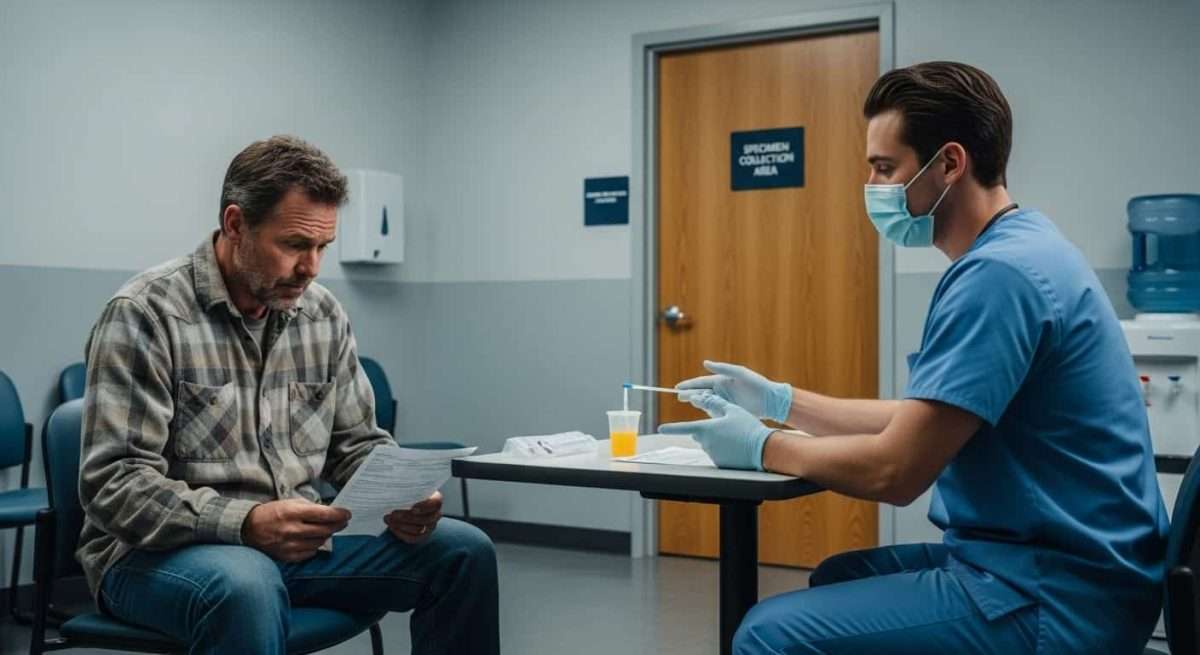
If you’re a truck driver holding a Commercial Driver’s License (CDL) in the U.S., it’s vital to understand the DOT’s drug and alcohol testing regulations and the Substance Abuse Professional (SAP) process. These requirements aren’t optional—they safeguard public safety and your career. Let’s break down what the rules are, how they apply, and what happens if issues arise. 1. Who’s Covered? Under FMCSA regulations (49 CFR Part 40 and Part 382), CDL holders performing safety-sensitive duties (e.g., driving trucks, hazmat transport, passenger transport) must comply with DOT drug and alcohol testing rules. 2. Types of DOT Drug & Alcohol Tests Drug Tests (typically urine-based; saliva permitted as of June 2023) Pre-Employment: Mandatory before starting safety-sensitive duties. Failing this leads to job-offer withdrawal. Random: CDL drivers face a 50% annual testing rate for drugs. Random selection must be fair and scientifically valid. Reasonable Suspicion: Triggered by specific behavioral indicators like slurred speech or odor; only supervisors with two hours of training may order it. Post-Accident: Required after fatal crashes, injuries requiring medical attention where the driver was cited, or damage-only accidents requiring a tow. Return-to-Duty (RTD): After a violation, you must complete SAP required treatment and test negative before returning. Follow-Up: At least six unannounced tests over 12 months post-return. Alcohol Tests Screening via saliva or breath (ASD or EBT), conducted by trained personnel. 0.04 BAC or above: Removal from duty required, mandatory SAP evaluation before return. 0.02–0.039: 24-hour removal. Note: DOT drug tests were traditionally 5-panel urine tests (THC, cocaine, opiates, PCP, amphetamines), but as of 2023, oral fluid testing is also allowed. 3. Substance Abuse Professional (SAP) Evaluation If you fail or refuse a DOT drug or alcohol test, here’s the process: Immediate Removal from safety-sensitive duties. Referral to SAP—a licensed or certified professional (e.g., psychologist, counselor) with expertise in substance abuse and DOT regulations. Initial Evaluation: Face-to-face assessment to determine appropriate treatment or education. Education/Treatment: SAP cannot refer to themselves; must be independent and appropriate. Follow-Up Assessment: SAP ensures compliance, writes a return-to-duty testing plan, and generates a “fit-for-duty” letter. Return-to-Duty Test: You must test negative and receive SAP clearance to resume duties. Follow-Up Testing: SAP designs the schedule (minimum 6 tests in first year). 4. Clearinghouse & CDL Suspension Since late 2024, any driver who tests positive or refuses testing is placed in the Drug and Alcohol Clearinghouse, leading to automatic suspension of CDL privileges until SAP process is completed. Violations stay on record for five years. 5. Real-world Perspectives From driver experiences shared on Reddit: “If you fail a DOT drug screen… your CDL will be downgraded… You are considered in the SAP program until you complete… one a quarter… or monthly.”— Reddit “SAP process is expensive—about $650… plus educational component… six tests… eligible to apply in 6 months to a year.”— Reddit These highlight the financial, procedural, and timeline demands of returning to commercial driving after a violation. 6. How Far Back Does a DOT Drug Test Go? DOT drug tests are not hair follicle tests, which can look back 90 days or more. Instead, DOT-mandated drug tests are primarily urine-based, and as of 2023, oral fluid (saliva) is also approved. Detection Windows: Urine Test (5-panel): Marijuana (THC): 3–30 days (depending on frequency of use) Cocaine: 2–4 days Opiates: 2–3 days Amphetamines: 2–4 days Phencyclidine (PCP): Up to 8 days Oral Fluid Test (newly DOT-approved): Shorter window: typically 12–48 hours Important: DOT testing is not designed to look into your long-term history, but rather to detect recent use that could impair job performance. However, the Drug and Alcohol Clearinghouse keeps records of violations for five years, which can affect employment opportunities.– FMCSA Drug Testing Guidelines 7. Where Do You Go for a DOT Physical Exam? The DOT requires CDL drivers to pass a DOT physical exam every two years (or more frequently if you have a medical condition). You must visit a: Certified Medical Examiner listed on the National Registry of Certified Medical Examiners (NRCME) maintained by the FMCSA. What the DOT Physical Includes: Vision test Hearing test Blood pressure check Urinalysis (for medical conditions, not drug testing) General physical health check (heart, lungs, limbs, spine, neurological) Note: The DOT physical is separate from DOT drug testing. However, many clinics offer both services together for convenience. 8. What Substances Are Tested Under DOT Drug Testing? DOT drug testing is conducted under federal law as outlined in 49 CFR Part 40 Subpart F, and applies to all CDL drivers performing safety-sensitive functions. DOT drug tests screen for the following five classes of drugs: Marijuana (THC) Cocaine Opiates – opium and codeine derivatives Amphetamines and methamphetamines Phencyclidine (PCP) Drug test cutoff concentrations (i.e., the minimum detectable levels) are defined by the Substance Abuse and Mental Health Services Administration (SAMHSA) and can be found on their official website. DOT Alcohol Testing: DOT alcohol tests are conducted using a breathalyzer or saliva device. A result of 0.02 BAC or higher can result in removal from duty. A result of 0.04 or more requires SAP evaluation and the full return-to-duty process. NOTE on Non-DOT Testing (Company Authority Programs) DOT does not prohibit motor carriers or employers from running additional testing programs under their own authority. These are known as non-DOT tests and may: Test for other substances (e.g., benzodiazepines, barbiturates, synthetic opioids, etc.) Use alternative specimen types, such as hair or saliva, outside DOT jurisdiction Impose company-specific consequences for alcohol or drug use that are more strict than DOT regulations Conclusion Here’s a quick checklist for CDL drivers: Step Requirement Covered by DOT? Yes—if performing safety-sensitive functions. Drug/Alcohol Tests Pre‑employment, random, reasonable suspicion, post‑accident, RTD, follow‑up. SAP Evaluation Required After failure or refusal of test. Return to Work Must complete SAP process, test negative, and comply with follow-up. CDL Suspension Yes, until SAP process is complete—a record in Clearinghouse. Navigating the DOT drug and alcohol testing regulations can be overwhelming—especially after a violation. Understanding the SAP evaluation process, testing requirements, and your obligations under FMCSA rules is essential for
Dreading the SAP Process? Here’s How I Got My CDL Back Fast with SAP Valuate

Hey, my name is Ed—and I want to share my experience with the SAP process in hopes it helps someone else out there who’s feeling as lost and overwhelmed as I was just a short time ago. When I first realized I needed to complete a SAP evaluation, I was honestly dreading it. I didn’t know where to start, what it involved, or how long it would take. All I knew was that my CDL was in jeopardy, my job was on the line, and my whole life felt like it was on pause. Stress, Uncertainty, and the Fear of Losing It All I drive for a living—like many of you reading this. So when I found myself in “prohibited status” because of a DOT drug violation, the pressure hit hard. I’d heard about people taking weeks—sometimes months—just to get cleared through the SAP program. I couldn’t afford that kind of downtime, emotionally or financially. That’s when I came across SAP Valuate. And honestly? It was the best decision I could have made. A Process That Was Smoother Than I Ever Expected From the moment I got in touch with their team, everything changed. What I thought would be stressful and confusing turned out to be smooth, fast, and affordable. I worked directly with Joaquin, and let me tell you—he was incredible. He explained everything in a way that made sense, told me exactly what to expect, and guided me step-by-step through the entire process. I didn’t feel judged or rushed. I felt supported. Whether it was scheduling my SAP evaluation, coordinating paperwork, or navigating communication with the DOT Clearinghouse, SAP Valuate handled it all like pros. They kept me informed, moved fast, and never once left me wondering what the next step was. In and Out—Back to Work Fast Thanks to SAP Valuate, my SAP evaluation was completed quickly, my Return-to-Duty test came back clean, and they submitted everything directly to the Clearinghouse without delay. Before I knew it, my CDL was back in good standing—and I was back at work like nothing had ever happened. No drawn-out delays. No hidden fees. No endless back and forth. Just fast, professional service from people who genuinely care about helping drivers get back on the road. Final Thoughts If you’re facing a DOT violation and don’t know where to turn, let me save you the time and stress—call SAP Valuate. They’ll get it done right, and they’ll do it fast. I can’t thank them enough for how easy they made this process. Thank you again to the entire team—especially Joaquin—for helping me get my CDL and my livelihood back. Watch my story on YouTube: Click here Read more success stories like mine: My Failed Drug Test Story – How I Got My CDL (and Life) Back My Fast Track CDL Recovery After a DOT Violation With SAP Valuate My Return-to-Work Journey with SAP Valuate Don’t wait. The road back to your CDL starts here—with people who actually care.