
FMCSA Clearinghouse and Online SAP Evaluations What Drivers Must Know to Return to Duty Faster
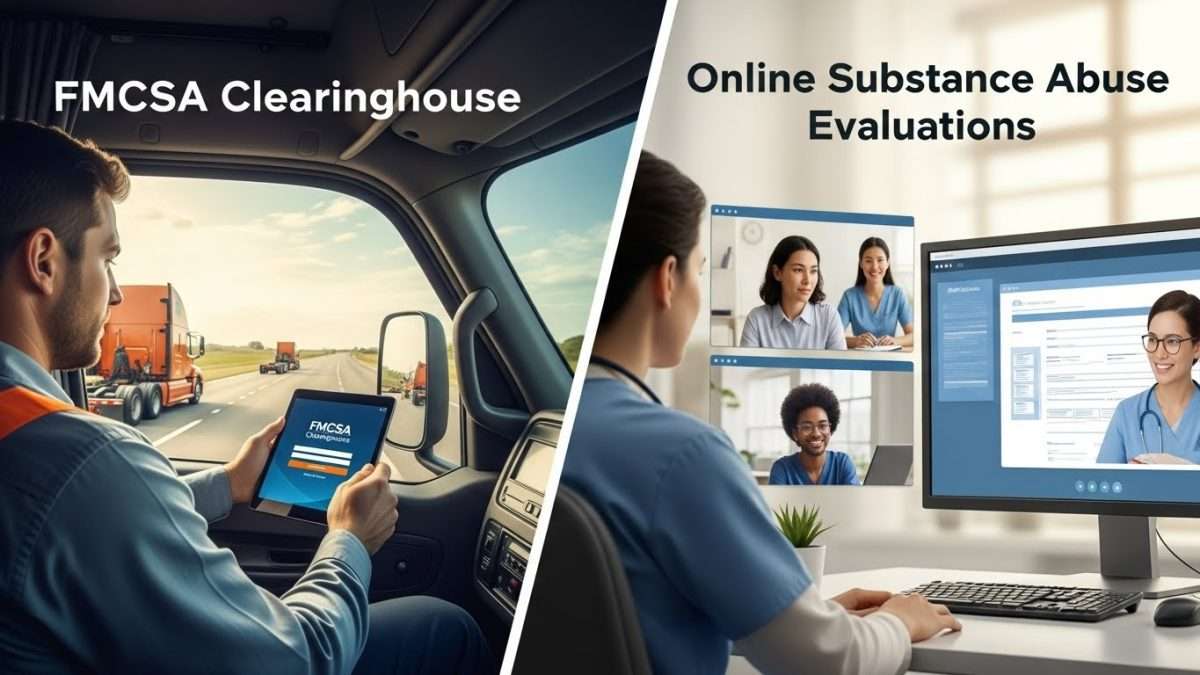
If you’re a CDL driver navigating a DOT drug or alcohol violation, understanding the FMCSA Clearinghouse is crucial. This federal database tracks drug and alcohol violations and ensures that drivers complete all required steps before returning to duty. Many drivers get delayed because they misunderstand Clearinghouse requirements or SAP evaluations. Fortunately, online SAP evaluations can speed up the process, helping drivers get back behind the wheel faster — without risking compliance issues. In this article, we’ll cover: What the FMCSA Clearinghouse is How SAP evaluations connect to Clearinghouse records Common mistakes that delay return-to-duty How online SAP evaluations save time Step-by-step timeline for compliance Tip: For a full breakdown of why online SAP evaluations are faster than in-person, see our main guide: Why Online SAP Evaluations Are Faster Than In-Person What the FMCSA Clearinghouse Is The FMCSA Clearinghouse is a secure, national database that tracks CDL drivers’ drug and alcohol program violations. It ensures employers and regulators know whether drivers have: Failed DOT drug or alcohol tests Completed required SAP evaluations Successfully returned to duty Key Facts: Required under 49 CFR Part 382 and Part 40 Accessible by employers, medical review officers, and SAPs Updates in real-time when drivers complete steps in the return-to-duty process Why it matters: If a driver’s violation or SAP evaluation is not accurately reported, they cannot legally drive until records are corrected. How a SAP Evaluation Connects to Clearinghouse Records Every driver who fails a DOT drug or alcohol test must complete a Substance Abuse Professional (SAP) evaluation. SAPs evaluate the severity of the violation Recommend treatment or counseling if required Track return-to-duty steps in the Clearinghouse When completed correctly, the Clearinghouse reflects that the driver has satisfied SAP requirements, enabling employers to legally allow the driver back on the road. Internal link opportunity: Learn more about the DOT SAP evaluation process here: How the DOT SAP Program Works After a Failed Drug Test Common Clearinghouse Mistakes That Delay Return-to-Duty Even a minor error in the Clearinghouse can cause weeks of delay. Common mistakes include: Incomplete SAP Evaluation Submission – Missing forms or delayed uploads Failure to Report Follow-Up Testing – Ignoring scheduled follow-ups or returning late results Miscommunication with Employer – Employers cannot authorize return-to-duty without proper records Not Using DOT-Compliant Providers – Only DOT-qualified SAPs can update records Ignoring State-Specific Requirements – Some states require additional documentation Tip: Avoid these pitfalls by choosing experienced online SAP evaluation providers who understand Clearinghouse requirements. How Online SAP Evaluations Help Avoid Clearinghouse Delays Online SAP evaluations are designed for speed and compliance: Immediate scheduling without waiting for in-person appointments Secure digital forms that directly link to your Clearinghouse record Quick follow-up testing coordination Real-time updates for employers and regulators Internal link: For drivers who want to get back to work faster, see: Return-to-Duty Made Easy: Find a DOT SAP Program Near You Advantages Over In-Person SAP Evaluations Feature Online SAP In-Person SAP Appointment Flexibility Often available same day or next day Scheduled based on local provider availability Document Submission Direct digital submission for faster processing Paper or in-person submission, depending on provider Estimated Timeline to Return-to-Duty May be completed more quickly due to flexible scheduling Timeline depends on appointment availability and local logistics Access Can be completed from anywhere nationwide Requires visiting a local provider Both online and in-person SAP evaluations meet DOT compliance standards. Online options offer additional convenience and flexibility for drivers who prefer remote access, while in-person evaluations provide the traditional, face-to-face experience. Step-by-Step: Clearinghouse + SAP Timeline Here’s a general timeline of what drivers might expect when returning to duty after a DOT drug or alcohol violation: Initial Violation Recorded: The DOT violation is entered into the FMCSA Clearinghouse immediately after the test. SAP Evaluation Scheduled: Typically, drivers can schedule their SAP evaluation within a few days to a week, depending on availability. Online SAP evaluations are generally faster to arrange than in-person appointments. Treatment or Counseling Recommendations Completed: Once the evaluation is complete, any recommended treatment or counseling usually takes several days to a couple of weeks, depending on the program. Return-to-Duty Test Scheduled: After completing any required counseling or treatment, the return-to-duty test is generally scheduled within 1–2 weeks. SAP Submits Completion to Clearinghouse: Once all steps are complete, the SAP submits the results to the FMCSA Clearinghouse, which can take a few days for processing. Employer Verification and Return to Duty: Once the Clearinghouse reflects completion, the employer can verify records. Drivers are generally able to resume duty shortly thereafter, assuming all requirements are met. Using online SAP evaluations can often shorten the overall timeline, helping drivers return to work sooner than traditional in-person evaluations, though exact timing varies based on individual circumstances. FAQ / People Also Ask (PAA) Q: What is the FMCSA Clearinghouse for CDL drivers?A: It’s a national database that tracks drug and alcohol violations, SAP evaluations, and return-to-duty status for CDL drivers. Q: How do SAP evaluations affect Clearinghouse records?A: SAPs report completion of evaluations, treatment, and follow-up tests, which must be recorded before a driver can legally return to duty. Q: Can online SAP evaluations be used for the Clearinghouse?A: Yes, DOT-qualified online SAPs can update your records securely and in real-time. Q: What mistakes delay return-to-duty in the Clearinghouse?A: Missing submissions, late follow-up tests, or using non-DOT-compliant SAPs are the most common causes. Q: How quickly can I return to work after a failed DOT test?A: Using online SAP evaluations, drivers can often return in 2–3 weeks, depending on follow-up testing and compliance.
Why Online SAP Evaluations Are Faster Than In-Person
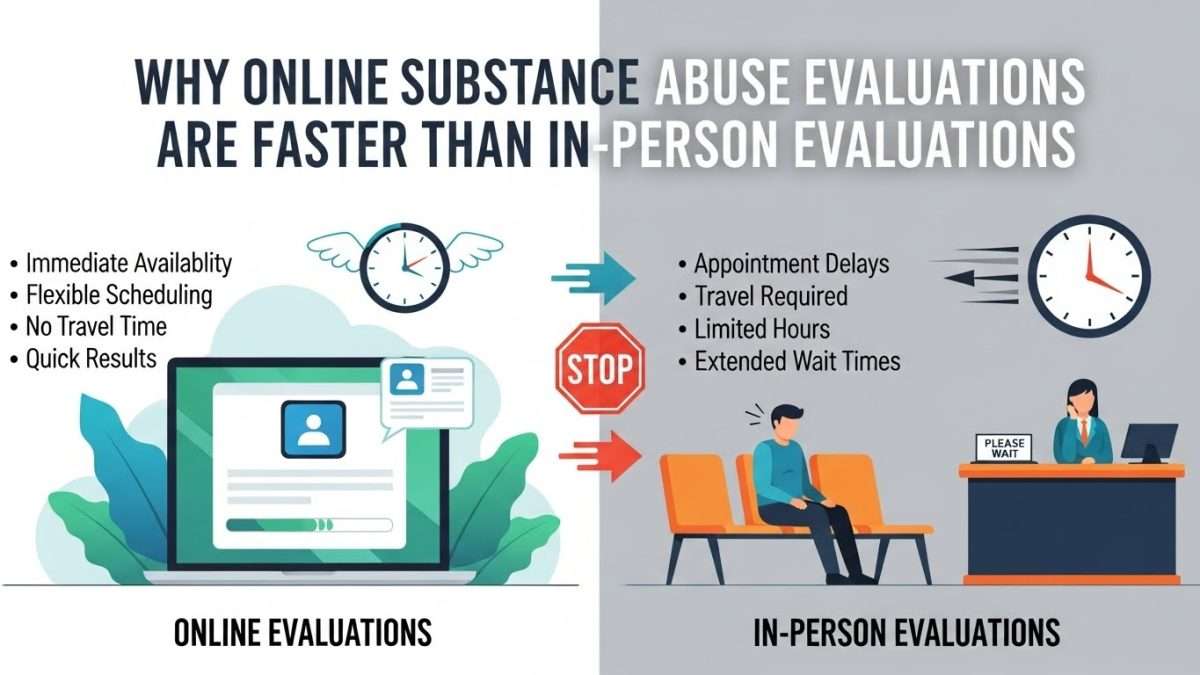
A DOT-Compliant, FMCSA-Aligned Guide for CDL Drivers Failing a DOT drug or alcohol test is one of the most disruptive events a commercial driver can face. One moment you’re working and earning, and the next your career is paused, your income stops, and uncertainty takes over. Drivers are suddenly forced to navigate federal regulations, employer requirements, and unfamiliar terminology often with little guidance. In these situations, time is everything. Every day spent waiting is another day without a paycheck. Unfortunately, many drivers unknowingly choose options that slow them down, particularly when it comes to SAP evaluations. A common misconception is that in-person SAP evaluations are the only legitimate option. In reality, this belief often leads to weeks of unnecessary delay. Online SAP evaluations are fully DOT-compliant and, in most cases, significantly faster than in-person evaluations. This in-depth guide explains why online SAP evaluations are faster, how they meet FMCSA requirements, what mistakes to avoid, and how drivers can move through the return-to-duty process as efficiently as possible. To avoid delays, it’s important to understand how the FMCSA Clearinghouse impacts your SAP evaluation. Why Are Online SAP Evaluations Faster Than In-Person? Online SAP evaluations are faster than in-person evaluations because they eliminate travel time, offer quicker scheduling, reduce missed appointments, and allow faster documentation processing. Many drivers can complete an online SAP evaluation within days instead of waiting weeks for a local in-person appointment. “Online SAP evaluations are faster because you don’t have to travel, you can schedule sooner, and your paperwork is completed faster.” What Is an Online SAP Evaluation? An online SAP evaluation is a federally compliant substance abuse assessment conducted by a DOT-qualified Substance Abuse Professional (SAP) through a secure video platform. The evaluation follows FMCSA regulations under 49 CFR Part 40, the same federal rules that apply to in-person SAP evaluations. During the evaluation, the SAP will: Review your DOT drug or alcohol violation Assess substance use history and behavioral risk factors Determine whether education or treatment is required Create a personalized, DOT-mandated return-to-duty plan The only difference between online and in-person SAP evaluations is the method of communication. The requirements, authority, and legal standing remain exactly the same. If you’re unfamiliar with the SAP’s role, this is explained in detail in what a DOT SAP evaluation is and why it’s required for CDL drivers. Why Drivers Lose Time After a DOT Violation Many delays after a DOT violation are not caused by the regulations themselves, but by logistical mistakes and outdated assumptions. Drivers often: Wait too long to schedule a SAP evaluation Search for local SAPs with limited availability Choose providers who are not DOT-qualified Miss appointments due to travel or scheduling conflicts These delays compound quickly and can extend downtime from weeks into months. The Biggest Delays With In-Person SAP Evaluations In-person SAP evaluations introduce several common bottlenecks that slow the return-to-duty process: Limited Local SAP Availability In many regions especially rural areas DOT-qualified SAPs are scarce. Drivers may wait weeks just to get an appointment. Travel and Transportation Barriers In-person evaluations often require long drives, hotel stays, fuel costs, or arranging transportation. Any disruption can lead to missed appointments and rescheduling. Restricted Office Hours Many SAP offices operate only during standard weekday hours, making it difficult for drivers to attend without conflicts. Slower Administrative Turnaround Paperwork, follow-ups, and documentation may take longer to process after in-person visits, delaying the next steps in the SAP process. None of these factors improve compliance or safety. They simply delay recovery. How Online SAP Evaluations Speed Up the Return-to-Duty Process Online SAP evaluations speed up the return-to-duty process by: Allowing same-day or next-day scheduling Eliminating travel and transportation delays Reducing missed or rescheduled appointments Delivering faster evaluation reports Helping drivers begin required education or treatment sooner This efficiency directly supports how the DOT SAP program works after a failed drug test and helps drivers progress without unnecessary downtime. Online SAP Evaluation Timeline Here’s a realistic example of how the timeline often looks with an online SAP evaluation: Day 1: Schedule online SAP evaluation Day 1–2: Complete evaluation via secure video Day 2–3: Receive SAP recommendations Day 3+: Begin required education or treatment After completion: Eligible for return-to-duty testing Compared to in-person evaluations, which may require weeks just to schedule, this timeline can significantly shorten how long the return-to-duty process takes. Why Online SAP Evaluations Are Faster 1. Faster Scheduling Nationwide Online SAP providers are not restricted by geography. Nationwide access means: More appointment availability Less waiting Immediate progress after a DOT violation 2. No Travel, No Transportation Delays Removing travel eliminates: Fuel and lodging costs Missed appointments due to road conditions Rescheduling caused by transportation issues 3. Faster Documentation and Reporting Digital workflows allow SAPs to complete evaluations and reports efficiently, helping drivers move to the next step without administrative delays. 4. Flexible Scheduling for Drivers Online evaluations can be completed from home or another private location, reducing conflicts and improving consistency. Online vs In-Person SAP Evaluations: Speed Comparison Factor Online SAP Evaluation In-Person SAP Evaluation Appointment availability Immediate Limited Travel required None Yes Missed appointment risk Low High Documentation speed Fast Slower DOT compliance Yes Yes Return-to-duty timeline Shorter Longer Are Online SAP Evaluations DOT-Compliant? Yes. Online SAP evaluations are DOT-compliant when performed by a DOT-qualified Substance Abuse Professional. FMCSA regulations do not require SAP evaluations to be conducted in person only that federal standards and documentation requirements are met. Drivers must still complete all SAP recommendations, education, treatment, and follow-up testing. Learn more in can you complete a SAP program online and still meet DOT requirements. Mistakes That Delay the SAP Process Avoiding these common mistakes can save weeks: Waiting too long to schedule the SAP evaluation Choosing a non-DOT-qualified provider Missing or rescheduling appointments Misunderstanding follow-up testing requirements Changing employers mid-process without guidance Most extended delays are preventable. Who Benefits Most From Online SAP Evaluations? Online SAP evaluations are especially beneficial for: CDL drivers seeking the fastest return-to-duty option Drivers in rural or
What’s Changing in 2026: New DOT Drug & Alcohol Testing and SAP Clearinghouse Rules Drivers & Employers Must Know

Staying compliant under DOT’s drug & alcohol testing regulations has always been critical for CDL drivers and their employers. As of 2023–2025, several regulatory updates were formalized under 49 CFR Part 40. As 2026 unfolds, even modest adjustments, such as changes in specimen-collection methods, updated compliance procedures, and tightened reporting requirements, may significantly affect how employers, service providers, and drivers approach testing and return-to-duty (RTD) procedures. This article reflects the latest confirmed changes, what’s not yet active, and how both drivers and employers should adapt. Quick Recap: The Core DOT Drug & Alcohol Rules (in Simple Terms) DOT-regulated drug testing applies to “safety-sensitive” employees (e.g., CDL drivers) under various triggers: pre-employment, random testing, post-accident, reasonable suspicion, return-to-duty (RTD), and follow-up testing. The standard DOT drug test has historically been a urine-based drug panel (commonly including substances such as THC, cocaine, amphetamines, opioids, PCP) in accordance with 49 CFR Part 382 & Part 40. For alcohol testing, DOT mandates breath testing (confirmation tests must use Evidential Breath Testing devices) under standard procedures. If a driver “fails” (positive or refusal) a DOT drug or alcohol test, a mandated procedure follows: evaluation by a qualified Substance Abuse Professional (SAP), completion of any recommended treatment or education, a negative RTD test, and follow-up testing as prescribed. This baseline helps frame how 2023–2026 updates fit into existing policy. Confirmed Changes Under Part 40 & DOT (2023–2025) That Carry Into 2026 Oral-Fluid Drug Testing: Authorized, But Not Yet Widely Implemented On May 2, 2023, DOT published a final rule amending Part 40 to allow oral fluid (saliva) testing as an alternative to urine drug testing. The new rule also formalized separate collector qualifications: a “qualified urine collector” is not automatically qualified to collect oral fluid specimens, and vice versa, meaning employers must ensure proper training or certification when switching collection methods. However and this is critical oral fluid testing remains unavailable for DOT-regulated drug testing until at least two laboratories are certified by the U.S. Department of Health and Human Services (HHS): one primary laboratory and one for split-specimen testing. As of late 2025, that certification has not been achieved. Because of that, DOT agencies (including Federal Transit Administration / FTA etc.) stress that while the rule allows oral fluid testing in theory, employers cannot yet implement it at actual DOT-regulated tests until lab certification and approved collection devices are in place. The 2024 update to the rule (effective December 5, 2024) clarified requirements for “mock” oral fluid collection monitoring (for training), but this mostly affects training protocols, not active testing. Bottom line (2026): Oral fluid testing is allowed under Part 40, but not yet operational under DOT testing. Any content claiming “oral fluid testing is standard now” would be incorrect. SAP Evaluations & Remote/Virtual Assessments The 2023 final rule also includes provisions allowing evaluations by Substance Abuse Professionals (SAPs) to be conducted remotely, provided that the telehealth platform supports real-time two-way audio/video and protects confidentiality. This is beneficial for CDL drivers in remote or rural areas who may have difficulty traveling to in-person assessments. For employers or consortium/third-party administrators (C/TPAs), this means updating their polices to allow remote SAP evaluations, with signed consent, secure technology, and geographic compliance per 49 CFR Part 40 subpart dealing with SAPs. Thus, remote SAP evaluations are legitimate in 2025–2026, something your site can legitimately highlight as a service option. DOT Clearinghouse & Compliance: What’s Actually New (and What’s Myth) Some sources (especially marketing ones) claim sweeping “2026 Clearinghouse changes / 24-hour reporting / new huge penalties.” In my research, I found no credible official source that confirms sweeping new 2026-wide enforcement changes (e.g., automatic fines, 24-hour windows, state license downgrades tied to Clearinghouse beyond standard FMCSA rules). The official rule updates (Part 40, May 2023) and following amendments concern specimen testing methods (oral fluid), collector qualifications, mock collection procedures, and SAP remote evaluations. The existing Clearinghouse requirements remain in force as codified under 49 CFR Part 382 (for FMCSA-regulated drivers): pre-employment query, annual limited queries, consent, reporting of violations (positive test, refusal), return-to-duty status and follow-up testing results. The obligation to use the Clearinghouse (instead of old manual requesting of prior employer records) for FMCSA-regulated employers became sole method after January 6, 2023. Conclusion: At this time, there is no public evidence from DOT or FMCSA that new “2026-only” Clearinghouse-reporting deadlines, penalties, or automatic license downgrades have been codified beyond existing rules. Be cautious about content claiming dramatic new enforcement changes unless quoting credible official documents. What Is Reasonable to Forecast for Late 2026: With Caveats While official public documents don’t yet show dramatic new enforcement rules, the industry appears to be heading toward tighter compliance infrastructure and increased use of technology. These are plausible future developments, but until formally adopted, treat as predictions, not facts. Potential developments: Once HHS certifies oral-fluid laboratories with DOT-compliant devices, oral-fluid testing may roll out, changing how many employers collect specimens (less intrusive, faster). Wider adoption of remote SAP evaluations, especially for drivers in rural areas, improving access but requiring compliant tech & secure documentation. Growing administrative enforcement on improper reporting or delays, but this would need regulatory action before becoming official practice. Your article can mention these as “industry trends/expectations,” with language like “could,” “likely,” or “may,” to avoid presenting speculation as fact. Implications for Employers & Drivers (2026-Ready Advice) For Employers / Fleet Managers / C/TPAs Review your drug and alcohol testing policies to ensure they reference updated Part 40, especially if you plan to adopt oral fluid testing once available. If adopting oral fluid testing, ensure you use qualified collectors per § 40.35 and be ready to retrain staff when HHS-approved labs are in place. Update SAP policies to allow remote assessments (telehealth), but ensure technology meets DOT confidentiality and real-time interaction requirements. Continue using the Clearinghouse for pre-employment and annual queries, and ensure accurate reporting of any violations and RTD/follow-up test results per existing regulations. For Drivers / CDL Holders / Contractors Be aware: you could face either
What Will Make You Fail a DOT Physical Exam: 2026 Guide for Commercial Drivers
For commercial drivers, a DOT physical exam is not just a formality, it’s a federally mandated medical examination designed to ensure that anyone operating a Commercial Motor Vehicle (CMV) can do so safely. Failing a DOT physical can have serious consequences, affecting your Commercial Driver’s License (CDL), job eligibility, and career in trucking. Understanding what will make you fail a DOT physical, how the process works, and what to do if you fail is critical for maintaining compliance with Department of Transportation (DOT) regulations. This guide is for CDL drivers, trucking school students, and anyone undergoing a return-to-duty process, highlighting the latest information for 2026. What Is a DOT Physical Test? A DOT physical exam is a federally mandated medical examination for anyone operating a Commercial Motor Vehicle (CMV). It is conducted by certified medical examiners listed on the National Registry of Certified Medical Examiners (NRCME). The purpose of the exam is to verify that drivers are medically fit to perform safety-sensitive functions, including long-haul driving and handling heavy equipment. During the exam, the medical examiner evaluates: Vision and hearing Blood pressure and blood sugar Cardiovascular health Respiratory function, including sleep apnea Neurological and psychiatric health Medication usage and substance abuse Passing the DOT physical results in a Medical Examiner’s Certificate (MEC), usually valid for up to 24 months. Failing it means you cannot operate a commercial vehicle until the disqualifying issue is resolved. Common Reasons for Failing a DOT Physical Here are the most common disqualifying medical conditions and factors that can cause a driver to fail a DOT physical: 1. High Blood Pressure (Hypertension) Uncontrolled high blood pressure, specifically readings above 180/110 mmHg, is an automatic disqualifier. Blood pressure ideally should be 140/90 mmHg or lower for a two-year certification. Drivers can achieve recertification after lifestyle changes, medication adherence, and stabilization. 2. Uncontrolled Diabetes Insulin-treated or poorly managed diabetes can impair alertness and reaction time. Drivers must maintain a stable insulin regimen and provide medical documentation to a certified medical examiner. 3. Poor Vision or Hearing To pass the DOT physical, drivers must have 20/40 vision in each eye (with or without corrective lenses) and a peripheral vision of at least 70 degrees. Hearing is tested using the forced whisper test, and deficiencies can lead to failure. Corrective lenses or hearing aids may allow drivers to pass if used consistently. 4. Sleep Apnea Untreated sleep apnea is considered a DOT disqualifying condition. Proper diagnosis, treatment, and compliance (like CPAP or oxygen therapy) can allow drivers to regain certification. 5. Heart and Cardiovascular Issues Conditions such as heart disease, recent heart attack, blood clots, or chest pain may lead to failure. Drivers may require clearance from a treating clinician before recertification. 6. Seizure Disorders and Epilepsy Drivers with a history of seizures may be disqualified unless cleared by a specialist and demonstrate seizure-free status for a defined period. 7. Substance Abuse Illegal drugs or alcohol misuse results in immediate disqualification. Drivers who test positive may need to engage with a Substance Abuse Professional (SAP) and complete a return-to-duty process. 8. Certain Medications Medications like narcotics, sedatives, or some psychiatric drugs can impair alertness and reaction time. Drivers must disclose all medications to the medical examiner to avoid inaccurate certification. 9. Respiratory and Kidney Disorders Severe respiratory dysfunction requiring oxygen equipment while driving is disqualifying. Kidney disease or other systemic conditions that reduce blood flow or impair physical performance may lead to failure. 10. Physical Limitations Loss of a limb or major functional limitation without a Skill Performance Evaluation (SPE) certificate is disqualifying. How Many Times Can You Fail a DOT Physical? According to the FMCA Filings article ‘How Many Times Can You Fail a DOT Physical?’, drivers can retake the DOT exam as many times as needed, but each failed attempt can delay certification. There is no strict limit on the number of times you can attempt a DOT physical. However, repeated failures without addressing the underlying issue can delay your CDL certification or return-to-duty process. It is crucial to correct disqualifying conditions before attempting a re-examination. Does a Failed DOT Physical Go on Your Record? Yes, failing a DOT physical (or a drug/alcohol test) goes on your record in the FMCSA Clearinghouse, indicating you’re “not certified,” which can lead to your CDL being downgraded until you complete the required Return-to-Duty (RTD) process, involving Substance Abuse Professional (SAP) evaluations, treatment, and follow-up testing, with the violation staying on your record for up to five years or until cleared. What Gets Recorded? FMCSA Clearinghouse: The results of your physical are reported, and a “not certified” status is noted if you fail, with a notice sent for CDL downgrade. Drug & Alcohol Violations: Failed tests (alcohol/drug) are recorded and remain until the RTD process is completed. Consequences of Failing CDL Downgrade: You lose your ability to drive commercially until you regain certification. Employer Records: Companies maintain safety records (like DAC reports) that may reflect issues, affecting future hiring. What Happens If You Fail a DOT Physical? Failing a DOT physical can affect your CDL and employment, but it’s not necessarily permanent. Steps after failure include: Identify the Cause Understanding why the medical examiner disqualified you is critical. Address the Disqualifying Condition High blood pressure: lifestyle changes, medication adherence Diabetes: stable insulin regimen, regular monitoring Sleep apnea: treatment with CPAP or oxygen therapy Substance abuse: engagement with a Substance Abuse Professional (SAP) Reapply for Certification Once the condition is resolved and documented, schedule a follow-up DOT physical. Some conditions may require additional clearance from a treating clinician. FMCSA Exemptions Certain drivers may qualify for FMCSA medical exemptions, allowing them to operate commercial vehicles under specific conditions. Can You Get a Second Opinion on a DOT Physical? Yes, drivers have the right to seek a second opinion from another certified medical examiner listed in the National Registry of Certified Medical Examiners (NRCME). However, the new examiner must follow DOT guidelines and cannot overlook disqualifying conditions. Tips to Pass Your DOT Physical Bring
Guide to the DOT Drug Test for CDL License Requirements (2026)
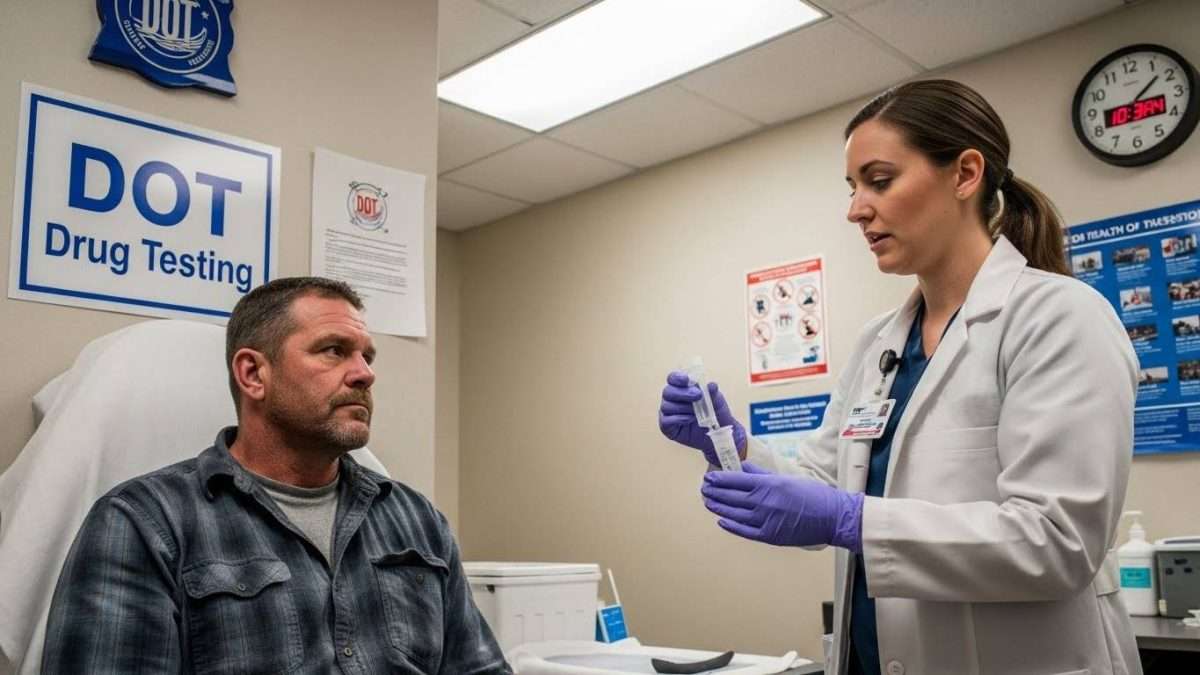
A Complete, Authoritative Resource for CDL Drivers, Trucking Companies, CDL Schools, and Employers Commercial motor vehicle (CMV) operators hold one of the most safety-sensitive roles in the United States. Because CDL drivers operate large commercial vehicles that pose a serious risk of bodily injury, human fatality, and major property damage, the Department of Transportation (DOT) has strict and mandatory requirements for drug and alcohol testing. These rules, enforced by the Federal Motor Carrier Safety Administration (FMCSA), ensure that CDL holders and truck drivers remain free from controlled substances and impairment while performing safety-sensitive functions. This guide breaks down everything you need to know about the drug test for CDL license, covering pre-employment, random drug tests, reasonable suspicion, post-accident testing, the return to duty test, the Drug and Alcohol Clearinghouse, DOT requirements, federal regulations, and more, all updated for 2026. What Is the Drug Test for CDL License? A drug test for CDL license is a mandatory DOT drug test required for all individuals applying for or holding a commercial driver’s license (CDL). The DOT drug testing program ensures that CDL drivers, truck drivers, and other employees performing safety-sensitive functions are not using illicit substances or alcohol while operating commercial motor vehicles. Under federal regulations (49 CFR Part 382), CDL drivers must comply with: Pre employment drug test Random drug tests Reasonable suspicion testing Post-accident testing Return to duty test Follow-up testing after a violation These requirements apply nationwide and preempt state agencies and local laws. What Drugs Does the DOT Test For? (DOT 5-Panel Test 2026) The DOT requires a 5-panel urine test, the standard drug screen for all CMV drivers. The urine sample is screened for five drug classes: Marijuana (THC) Cocaine Amphetamines Opiates Phencyclidine (PCP) This test is conducted only by labs certified by the Department of Health and Human Services (HHS). Important Notes for 2026 Marijuana is still federally illegal, even if legal in your state. CBD products may contain THC and can cause a positive result. Hair follicle test methods are increasing in popularity but are not DOT-approved only urine tests are acceptable for DOT compliance. To pass, CDL drivers must show negative results for all five drug classes. Pre Employment Drug Test for CDL Drivers Before any driver can perform safety-sensitive functions, employers must complete a pre employment drug test. Key DOT Requirements A negative result is required before a driver may operate a CMV. CDL schools and trucking companies must conduct these tests for all new trainees and hires. The test is a DOT 5-panel urine drug test only. Who Must Be Tested? New CDL drivers Drivers returning after a long gap Students entering trucking schools or CDL school A positive drug test disqualifies the driver until they complete the DOT approved SAP process. Random Drug Tests for CDL Drivers DOT regulations require employers to conduct random drug tests at any time during employment. Annual Minimum Random Testing Rates 50% for drugs (of the average number of driving positions) 10% for alcohol These tests are unannounced and selected from a random testing selection pool. Who Conducts Random Testing? Motor carriers Trucking companies CDL schools State agencies operating CMVs A driver can be randomly tested anytime they are on duty. Reasonable Suspicion Testing Employers must conduct reasonable suspicion testing when a supervisor observes behavior that may indicate drug use or alcohol impairment. Examples of Reasonable Suspicion Indicators Slurred speech Erratic driving Odor of alcohol Inability to focus Physical symptoms of substance abuse Only supervisors trained under DOT rules may initiate this test. Post-Accident DOT Testing Requirements After certain types of crashes involving a CDL driver, DOT regulations require post-accident drug and alcohol testing. Mandatory Testing Scenarios Testing is required if an accident results in: A human fatality Bodily injury requiring medical care away from the scene A vehicle being towed A citation issued to the driver Testing Deadlines Drug test: within 32 hours Alcohol tests: as soon as possible using a breath test or saliva test A BAC of 0.04% or higher is a violation, and 0.02% is enough to fail. CDL Schools Drug Test Requirements All CDL schools and trucking schools must follow the same DOT rules as motor carriers. Requirements Random drug testing throughout training Pre employment drug test at the start Immediate removal for any positive drug test Reporting violations to the Drug and Alcohol Clearinghouse A student who tests positive cannot continue training until they complete the substance abuse professional process. Alcohol Testing Requirements Alcohol testing is performed using a breathalyzer or saliva device. DOT Alcohol Rules Drivers may not report for duty with an alcohol level of 0.04 or higher. A reading of 0.02–0.039 results in temporary removal. Alcohol violations are also recorded in the alcohol clearinghouse. Drug and Alcohol Clearinghouse The Drug and Alcohol Clearinghouse is a federal database that records all CDL driver drug and alcohol violations. What Gets Reported? A positive drug test Alcohol violations Refusal to test Completion of SAP and return to duty Follow-up tests Any positive test can impact a driver’s future in the trucking industry. What Happens If You Test Positive? A CDL driver who tests positive, refuses a test, or violates alcohol rules must: Stop all safety-sensitive work immediately Be evaluated by a DOT qualified substance abuse professional (SAP) Complete an individualized substance abuse recovery program Take and pass a return-to-duty test Complete employer-mandated follow-up testing over 12–60 months The return to duty process can take several months, depending on the case. Return to Duty Test The return-to-duty test is required after any violation of DOT drug or alcohol rules. Requirements Must be recommended by a substance abuse professional Must show negative results on a observed DOT 5-panel urine test Driver cannot resume safety-sensitive duties until passing After returning, they must participate in follow-up testing as mandated by the SAP. Hair Follicle Test for Truck Drivers While many employers use the hair follicle test to detect long-term drug use (up to 90 days), DOT requirements currently do not accept hair testing.
Drug Test for DOT Physical: Complete Guide for Commercial Drivers in 2025
DOT physicals do not include drug testing, but commercial drivers still face mandatory drug testing requirements as a separate compliance obligation. This critical distinction confuses many CDL drivers who assume their DOT physical exam covers all testing requirements. While your DOT medical examiner collects a urine sample during the physical examination, this sample tests for medical conditions like diabetes and kidney disease, not drugs. What Does This Guide Cover? This guide explains the difference between DOT physical medical screening and mandatory drug testing requirements, covers compliance procedures for both, and details the consequences of violations. It does NOT cover non-DOT employment policies or state-specific commercial vehicle regulations. Who is this for? This guide is designed for CDL drivers, commercial motor vehicle operators, trucking companies, and individuals preparing for DOT certification. Whether you’re a new driver seeking your first commercial driver’s license or an experienced operator ensuring ongoing compliance, you’ll find actionable information about both medical certification and drug testing obligations. Why This Matters? Failing to understand these separate requirements can result in delayed employment, loss of driving privileges, or removal from safety-sensitive duties. The Department of Transportation maintains strict regulations for commercial vehicle operators, and confusion between medical fitness and drug testing compliance creates significant legal and employment risks. Drivers with specific medical conditions may need to be re-examined more frequently to maintain their certification. What You’ll Learn: Clear distinction between DOT physical medical assessment and drug testing mandates Specific substances tested in DOT drug screens and testing triggers Step-by-step compliance procedures for both requirements Common challenges and practical solutions for maintaining certification Understanding DOT Physical Requirements vs Drug Testing Mandates A DOT physical exam is a comprehensive medical assessment conducted by a certified medical examiner to determine if drivers are medically fit to operate commercial motor vehicles safely. The examination evaluates various aspects of health, including blood pressure, vision, auditory acuity, and overall physical condition, to ensure drivers can drive safely without posing risks to public safety. Medical conditions such as sleep apnea, diabetes, poor vision, and high blood pressure can significantly impact a driver’s ability to pass the exam. During the physical examination, the medical examiner collects a urine sample for specific medical testing. This urine test screens for glucose (indicating potential diabetes), protein levels (suggesting kidney disease), blood, and specific gravity, all markers of medical conditions that could affect a driver’s ability to operate a CMV safely. A urinalysis is a standard part of the DOT physical exam and specifically does not test for drugs. What the DOT Physical Actually Tests The DOT physical exam requirements include comprehensive health assessments covering blood pressure monitoring (high blood pressure disqualifies drivers), vision testing with specific visual acuity standards, hearing evaluation, and review of medical history for disqualifying medical conditions. The medical examiner also conducts a general physical exam, checking for health issues that might impair driving ability, including conditions like high blood pressure, diabetes, sleep apnea, and vision or hearing problems. This medical assessment connects directly to safe commercial vehicle operation because medical conditions like uncontrolled diabetes, severe high blood pressure, or vision problems create substantial safety risks. The medical certificate issued after passing demonstrates that the driver is medically fit for their specific requirements. A DOT medical certification is usually valid for up to two years. Why Drug Testing is Required Separately The Department of Transportation (DOT) classifies commercial vehicle operation as safety-sensitive work requiring separate drug testing under 49 CFR Part 382. This regulation exists because drug use presents different safety risks than medical conditions that require different detection methods and compliance procedures. The only approved method for DOT drug testing is a urine specimen analyzed by a certified laboratory. Your employer, not your medical examiner, bears responsibility for ensuring drug testing compliance. While medical examiners assess your health status for the medical card, employers must implement and manage drug screening programs as a crucial requirement for maintaining DOT regulations compliance. The DOT has a strict policy against marijuana use, and drivers using it, even for medical purposes, cannot be certified for duty. Updated for 2025:DOT now allows oral fluid (saliva) drug testing in addition to urine testing. Employers may use either method depending on availability and compliance procedures. Transition: Understanding this fundamental separation helps explain why commercial drivers face multiple, distinct testing requirements throughout their careers. DOT Drug Testing Requirements for CDL Drivers Building on the medical versus safety distinction, all drivers operating vehicles over 26,001 pounds, transporting hazardous materials, or driving commercial vehicles designed to carry 16 or more passengers must undergo mandatory drug testing as part of comprehensive DOT requirements. Types of Required Drug Tests Pre-employment drug test: Required before performing any safety-sensitive duties, this test must be completed and show negative results before drivers can begin work. Random testing: Employers must randomly test at least 50% of the driver pool annually for drugs in 2025. Post-accident testing: Drivers must submit to drug and alcohol testing following qualifying accidents. Reasonable suspicion & return-to-duty testing: Supervisors may order testing based on observed behavior. Drivers violating policies must complete SAP evaluation and return-to-duty testing. Substances Tested in DOT Drug Screens The DOT drug test typically screens for five substance categories in a 5-panel drug screen: Marijuana (THC) Cocaine Amphetamines (including methamphetamine and MDMA) Opioids (heroin, codeine, morphine, oxycodone, etc.) PCP (phencyclidine) Update for 2025:DOT is proposing adding fentanyl and norfentanyl to the panel, but this change has not yet taken effect. Alcohol testing maintains a 0.04% blood alcohol concentration limit for CDL drivers—half the standard legal limit for non-commercial drivers. Key Points Drug testing occurs at multiple stages throughout a driver’s career Employers manage drug testing compliance while medical examiners handle health assessments Five specific substance categories are tested using standardized procedures Alcohol limits for commercial drivers are stricter than non-commercial limits 2025 enforcement update:If a driver has a “prohibited” status in the FMCSA Clearinghouse, their CDL/CLP is now subject to automatic downgrade until they complete the full SAP and return-to-duty process. Drug Testing Process
What Can SAPs Share with Employers Between Evaluations?

When a commercial driver or any safety-sensitive employee violates the Department of Transportation (DOT) drug and alcohol testing regulations, they must complete a Substance Abuse Professional (SAP) evaluation before returning to work. The SAP plays a crucial role in ensuring that the individual receives proper evaluation, treatment, or education, and follow-up testing. However, many employers and drivers wonder:What information can a SAP legally share with the employer between evaluations, and what must remain confidential? Understanding this balance between required reporting and employee confidentiality is essential for DOT compliance under 49 CFR Part 40 and for maintaining trust and integrity throughout the Return-to-Duty (RTD) process. What SAPs Can Share with Employers According to the DOT’s Office of Drug and Alcohol Policy & Compliance (ODAPC) and the official Substance Abuse Professional Guidelines (May 2022), a SAP may only share limited, necessary information related to compliance and Return-to-Duty eligibility. Here’s what SAPs are permitted to disclose: 1. Confirmation of Evaluation Completion The SAP can confirm that the employee has completed the initial SAP evaluation. This indicates that the driver has officially begun the Return-to-Duty process after a DOT violation. 2. Written SAP Report After Initial Evaluation After the first evaluation, the SAP must issue a written report to the employer (or Designated Employer Representative, DER). This report includes: The employee’s name and reason for referral (positive test, refusal, or other violation). The date(s) of the evaluation(s). Recommended treatment and/or education plan. A statement that the employee cannot return to safety-sensitive duties until successful completion of the plan and a follow-up evaluation. 3. Compliance Determination Once the employee completes the SAP’s recommendations, the SAP conducts a follow-up evaluation to determine whether the employee has fully complied. The SAP then provides the employer with a written compliance report stating whether the individual is: Compliant with the SAP’s treatment or education plan, or Non-compliant, and therefore not yet eligible for Return-to-Duty testing. 4. Follow-up Testing Plan After the employee is deemed compliant and eligible to return to work, the SAP provides the employer with a follow-up testing plan.This plan includes: The number of follow-up tests required (at least six within 12 months). The duration of the testing period. However, the exact dates and times of follow-up tests are confidential and are not shared with the employer or the employee. This ensures tests remain unpredictable and compliant with DOT standards. 5. FMCSA Clearinghouse Reporting Under DOT and FMCSA regulations, the SAP must report two specific items to the FMCSA Clearinghouse: The date of the employee’s initial SAP assessment, and The date the SAP determines the employee is eligible for Return-to-Duty testing. This allows employers to verify compliance before allowing a driver to return to safety-sensitive work. What SAPs Cannot Share with Employers? While SAPs are responsible for providing compliance-related information, they are strictly prohibited from sharing confidential or medical details unrelated to DOT reporting. Here’s what SAPs cannot disclose between evaluations: 1. Specific Details of the Evaluation SAPs cannot share clinical findings, personal statements, or psychological assessments from the evaluation.This includes: Substance use history Mental health discussions Diagnoses or risk assessments These are confidential clinical records, protected under privacy laws and DOT confidentiality rules. 2. Treatment or Counseling Progress Employers may not request or receive updates about: Attendance at counseling or education sessions Progress reports from treatment providers Discharge summaries or provider notes SAPs act as independent evaluators, not as medical liaisons or therapists for employers. 3. Exact Follow-Up Test Schedule Although employers receive the follow-up testing plan, specific test dates or schedules cannot be shared.This information remains confidential to ensure the element of unpredictability required under DOT guidelines. 4. Personal or Health-Related Information SAPs cannot share any unrelated medical or mental health information obtained during the evaluation or treatment process. 5. Any Additional Information Without Consent SAPs may only share what is required by DOT regulations. Any other details can only be disclosed if the employee provides written consent that meets DOT and privacy requirements. What SAPs Can vs. Cannot Share with Employers: Summary Category What SAPs Can Share with Employers What SAPs Cannot Share with Employers Initial Evaluation Confirmation that the SAP evaluation occurred and a written report with general recommendations. Details of the evaluation, including personal history, diagnosis, or treatment provider information. Compliance Status Whether the employee has complied with SAP’s treatment or education recommendations. Progress notes, attendance records, or therapist evaluations. Follow-Up Testing Plan Total number of required follow-up tests and overall duration. Exact test dates, times, or scheduling details. Return-to-Duty Eligibility Notification that the employee is eligible or not eligible for Return-to-Duty testing. Clinical reasons behind compliance or non-compliance. Clearinghouse Reporting Dates of SAP assessment and Return-to-Duty eligibility as required by DOT. Any additional personal or health-related data. Why These Rules Exist The DOT designed these strict confidentiality rules to protect employee privacy while ensuring public safety. The SAP’s role is to act as an independent evaluator, not an agent of the employer or an advocate for the employee.This neutral position ensures: Drivers receive fair and unbiased evaluations. Employers only receive information necessary for compliance. Personal and medical privacy is safeguarded. Balancing transparency and confidentiality helps maintain trust in the DOT testing system and keeps America’s roads safe. Best Practices for Employers Employers play an important role in maintaining compliance during the SAP process. Here are the top recommendations: Request Only Official SAP ReportsEmployers should only receive and file the official SAP reports provided under DOT regulations. Do Not Request Confidential DetailsAvoid asking for progress reports, therapy records, or treatment documentation. Securely Store SAP RecordsSAP-related documents must be stored securely for five years as required under 49 CFR Part 40. Limit Access InternallyOnly the Designated Employer Representative (DER) should have access to SAP reports to maintain confidentiality. Use the FMCSA ClearinghouseAlways verify SAP completion and Return-to-Duty eligibility through the official FMCSA Clearinghouse before allowing a driver back to work. Educate HR and Compliance TeamsEnsure all HR, safety, and compliance personnel understand the limits of what information can be requested or shared. How
Online SAP Evaluations for Truck Drivers: Return to Duty Fast

The trucking industry plays a vital role in keeping the economy moving, and ensuring that truck drivers remain safe and compliant with Department of Transportation (DOT) regulations is essential. When a truck driver tests positive for drugs or alcohol, one critical step in their path back to work is the Substance Abuse Professional (SAP) evaluation. Thanks to advancements in technology and evolving regulations, online SAP evaluations have become a popular, efficient way for drivers to complete this process and return to duty quickly. In this article, we will cover everything a CDL driver needs to know about online SAP evaluations, including what the SAP evaluation entails, how the online process works, the benefits, and how SAP Valuate helps truck drivers through the Return to Duty process seamlessly. What is a SAP Evaluation? A SAP evaluation is a mandatory step for commercial drivers who have violated DOT drug and alcohol testing regulations. The role of the SAP is to conduct a face-to-face clinical assessment of the driver’s substance use issues, recommend treatment or education, and determine when the driver is ready to return to duty safely. When is a SAP Evaluation Required? After a driver has a verified positive drug or alcohol test After a refusal to test After an alcohol concentration of 0.04 or higher on an alcohol test Following certain violations under DOT regulations The SAP evaluation ensures that drivers receive the proper help and rehabilitation before they resume their safety-sensitive duties. How Does an Online SAP Evaluation Work? Traditionally, SAP evaluations were conducted in-person, requiring drivers to travel to a provider’s office, which could delay the Return to Duty (RTD) process. Online SAP evaluations have revolutionized this step by allowing drivers to complete the evaluation remotely from their home, office, or anywhere with internet access. The Online SAP Evaluation Process: Step Description 1. Scheduling The driver books an appointment with a certified SAP provider online. Many providers, including SAP Valuate, offer flexible scheduling options, including evenings and weekends, for driver convenience. 2. Secure Video Call The SAP conducts a confidential, secure video consultation with the driver. The session follows all DOT guidelines, verifying identity and ensuring privacy throughout the process. 3. Comprehensive Assessment The SAP evaluates the driver’s history, test results, and substance use patterns to determine the nature and extent of the issue. This step helps form the foundation for an appropriate recovery plan. 4. Treatment or Education Plan Based on the assessment, the SAP recommends treatment, education, or both, such as counseling sessions, substance abuse education, or rehabilitation programs. 5. Follow-up and Return-to-Duty Recommendation Once all recommendations are completed, the SAP issues a Return-to-Duty (RTD) report, clearing the driver to resume work legally and safely in compliance with DOT regulations. Benefits of Online SAP Evaluations Speed and ConvenienceNo need to travel or wait for in-person appointments; quicker scheduling means faster Return to Duty. AccessibilityDrivers in remote or rural areas can easily access qualified SAP professionals. Privacy and ComfortDrivers can complete evaluations from a private, comfortable environment, reducing anxiety and stigma. Cost-EffectiveOften, online evaluations reduce overhead costs, saving money for both providers and drivers. Compliant and SecureOnline SAP evaluations follow strict DOT regulations, ensuring confidentiality, identity verification, and accuracy. Understanding the Return-to-Duty (RTD) Process with SAP Valuate At SAP Valuate, we specialize in helping CDL drivers navigate the Return-to-Duty process smoothly and efficiently. Our online SAP evaluations comply fully with DOT/FMCSA regulations and ensure you get the support needed to return to work safely. Key Steps in the RTD Process with SAP Valuate: Initial SAP EvaluationComplete your online SAP evaluation with our certified professionals. Follow SAP RecommendationsFollow through with the treatment or education recommended by the SAP. We provide resources and referrals if needed. Return-to-Duty TestingAfter completing treatment/education, undergo a follow-up Return-to-Duty drug and/or alcohol test. Follow-Up Testing & MonitoringThe SAP may recommend a period of follow-up testing (usually 6–12 months) to ensure ongoing compliance. Clearing to DriveOnce all steps are complete, you will receive official clearance to resume safety-sensitive functions legally and confidently. What Substances Are Typically Involved in SAP Evaluations? The SAP evaluation covers the use of various substances regulated under DOT drug testing programs, including: Marijuana (THC) Cocaine Amphetamines and Methamphetamines Opioids (including heroin, oxycodone, morphine) Phencyclidine (PCP) Alcohol (via Breathalyzer or Blood Alcohol Concentration tests) Understanding your specific situation helps tailor the treatment plan effectively. Common FAQs About Online SAP Evaluations Can all SAP evaluations be done online? Most states and DOT allow online SAP evaluations, but check with your employer or medical review officer (MRO) for specific requirements. SAP Valuate ensures 100% DOT compliance. How long does the online SAP evaluation take? Typically, the evaluation session lasts 45 to 90 minutes, depending on the complexity of your case. Is online SAP evaluation confidential? Yes. All online sessions use secure, encrypted video platforms complying with privacy laws and DOT guidelines. How quickly can I return to work after the SAP evaluation? The evaluation is just the first step. Your return depends on completing the recommended treatment and passing the Return-to-Duty drug/alcohol test. Online evaluations expedite the initial assessment, potentially reducing overall downtime. Why Choose SAP Valuate for Your Online SAP Evaluation? Certified SAP Professionals: Our team is experienced, DOT-certified, and knowledgeable about industry regulations. Flexible Scheduling: Evening and weekend appointments to fit your busy life. Transparent Pricing: No hidden fees or surprises. Full Support: From evaluation to treatment referrals and follow-up guidance. Trusted by Truck Drivers Nationwide: We’ve helped thousands of CDL drivers return to duty safely and fast. Conclusion: Get Back on the Road Faster with SAP Valuate An online SAP evaluation is the fastest, most convenient way for truck drivers to meet DOT Return-to-Duty (RTD) requirements after a failed or refused drug or alcohol test. Instead of waiting days or traveling long distances, drivers can now complete their SAP assessment from the comfort of their home, saving both time and money while staying compliant with 49 CFR Part 40. At SAP Valuate, we make the entire process simple and stress-free.
What Is a 5 Panel Drug Test For CDL Drivers? Guide 2026
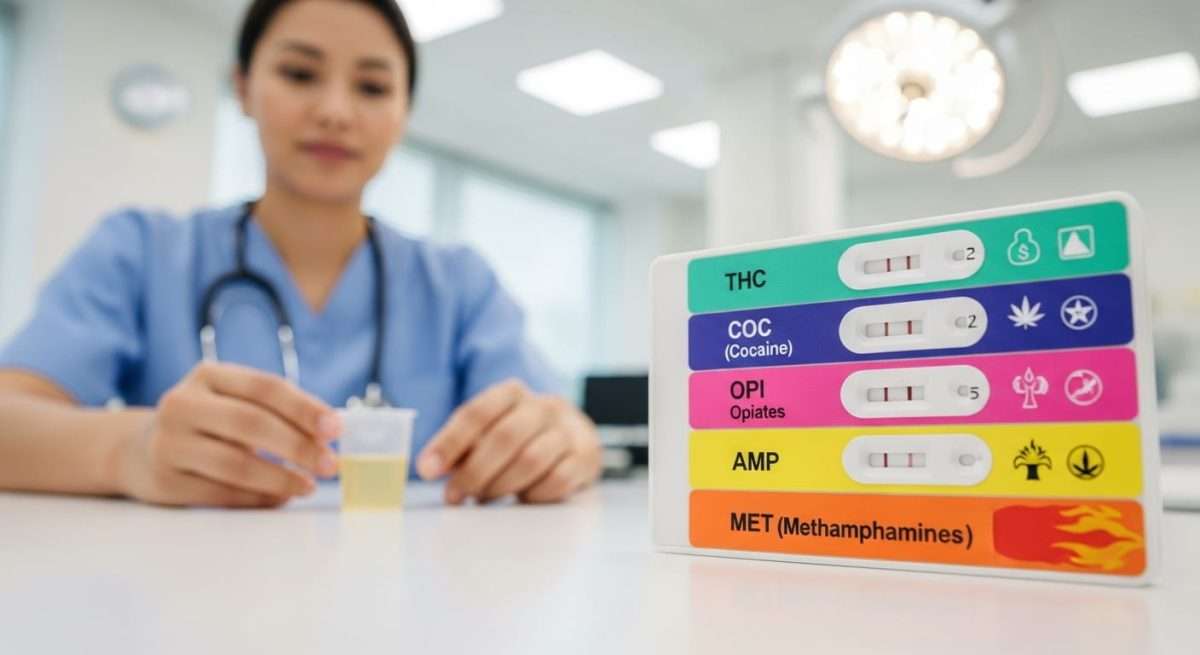
What is a 5 Panel Drug Screen Test? A 5 panel drug test is a screening test that checks for the presence of five classes of drugs (or their metabolites) in a specimen (most commonly urine). What the five panels are: According to the U.S. Department of Transportation (DOT) and its Office of Drug & Alcohol Policy & Compliance (ODAPC), for regulated safety-sensitive workers, the five panels are: Marijuana (THC / cannabinoids). Cocaine. Amphetamines (including methamphetamine, and in some cases, MDMA/MDA). Opioids (formerly “opiate” category) – e.g., codeine, morphine, heroin metabolite (6-AM), semi-synthetic opioids like hydrocodone/oxycodone/oxymorphone. Phencyclidine (PCP). So when someone says “5-panel test,” it generally means these five drug categories are being screened. Why is it used: Employers, especially those in transportation or safety-sensitive industries, use the 5-panel test because it covers the most common drugs of abuse, and it’s mandated for certain regulated roles. Urine is the typical specimen type, but other specimens (saliva, hair) may be used depending on policy. Updated DOT 5-Panel Drug Test: 14 Substances Now Screened Since January 1, 2018, the U.S. Department of Transportation (DOT) has required confirmation testing for 14 specific drugs under its standard 5 panel drug screen test. Although it’s still called a “5-panel test,” each drug class now includes several individual substances and metabolites. This ensures that the DOT drug testing program accurately identifies the most commonly misused drugs among safety-sensitive employees, including CDL drivers. Here’s the full breakdown of what DOT drug testing looks like today: Marijuana (THC) Cocaine Amphetamines Amphetamine Methamphetamine MDMA (Ecstasy) MDA Opioids Codeine Morphine 6-AM (Heroin metabolite) Hydrocodone Hydromorphone Oxycodone Oxymorphone Phencyclidine (PCP) These 14 substances represent the current DOT-mandated confirmation testing standards for all safety-sensitive transportation employees, including commercial truck drivers (CDL holders), pilots, rail workers, and others regulated under 49 CFR Part 40. By expanding the test to include more synthetic and semi-synthetic opioids, the DOT aims to enhance safety, reduce impaired driving, and ensure compliance with federal drug and alcohol testing requirements. How the 5-Panel Test Works (Step-by-Step) Here’s a breakdown of how the typical process works, especially for a role regulated by DOT (for example, a commercial driver). Specimen collection The most common specimen is urine. You’ll go to a collection site, present ID, possibly remove outerwear, and provide a urine sample in a sealed container. Less common or special-case specimens: hair, saliva, blood. These are used less frequently for standard 5-panel tests. Chain of custody & lab submission The sample is sealed, labelled, and sent to a certified lab. A Medical Review Officer (MRO) reviews non-negative results, checks for legitimate prescriptions, and confirms results before the employer receives them. Testing and result interpretation The lab checks the sample for the metabolites of the five drug categories. Results are typically: Negative (no metabolites above cutoff), Positive (metabolites exceed cutoff), or Invalid/Refused (specimen tampered, inadequate, or donor refused). Cut-off levels & detection windows Each lab sets a “cut-off” concentration. If a metabolite is above that threshold, it’s considered a positive. Detection windows vary by substance, frequency of use, and specimen type. For example: Marijuana (urine): light use ~2-3 days, moderate ~5 days, daily use up to 10 days or more. Cocaine (urine): ~2-4 days. PCP: ~8 days (infrequent) to up to 30 days (chronic use) in urine. Note: These are estimates and may vary widely. 5 Panel Drug Screen Test & CDL Drivers / DOT Regulated Workers Who must take it? If you hold a Commercial Driver’s License (CDL) and operate a commercial motor vehicle (CMV) under the authority of the Federal Motor Carrier Safety Administration (FMCSA) or perform other safety-sensitive functions under DOT, you are subject to drug testing under 49 CFR Part 40 and related regulations. The DOT mandates the 5-panel regimen for such roles. The official DOT note states that: “DOT testing at HHS-certified laboratories will continue to be a 5-panel drug test regimen.” When will you be tested? As a CDL driver or safety-sensitive worker, you may be tested: Pre-employment (before you begin safety-sensitive duties). Random testing (your employer must have you in a random pool). Post-accident (if you were involved in a qualifying accident). Reasonable suspicion (if there is reason to believe you used a prohibited substance). Return-to-duty / follow-up (if you previously violated the rules and have gone through the SAP process). What happens if you fail or refuse? Failing or refusing a test under DOT rules has serious consequences: You must be removed immediately from safety-sensitive duties. Your employer must report the violation to the FMCSA Clearinghouse (for CDL drivers). You must be evaluated by a qualified Substance Abuse Professional (SAP) and complete any required treatment or education. You cannot return to duty until you pass a return-to-duty test and complete any required follow-up testing. Why this matters for CDL drivers Operating large vehicles or performing tasks where public safety is involved demands high standards of safety. Substance misuse can impair judgment, reaction time, and coordination — hence the strict regulations. The 5-panel test is one of the key safety tools. Legal & Regulatory Background The DOT rule (Part 40) and related notices confirm that the 5-panel regimen remains the standard for DOT-regulated drug testing. In 2018, the DOT issued a notice clarifying that effective January 1, 2018, the opiate category was renamed “opioids,” and additional semi-synthetic opioids were included under confirmatory testing. Laboratories, MROs, employers must all follow proper chain-of-custody, reporting, and confirmatory procedures. Employers must also follow applicable federal, state, and local laws regarding drug screening (e.g., Americans with Disabilities Act, Title VII, FCRA). Detection Windows & What You Should Know Here’s a simplified summary of how long different substances might be detectable in a urine 5-panel test (note: actual results depend on many factors: metabolism, frequency of use, amount, specimen type, lab cutoff). Drug Category Approximate Detection Time (urine) Marijuana (THC) Light use: ~2-3 days; moderate: ~5 days; heavy/daily: up to ~10 days or more; chronic heavy use may approach ~28 days. Cocaine ~2-4 days for typical use. Amphetamines ~48