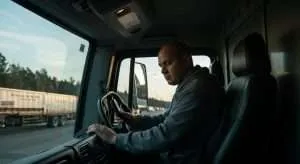
If you’re a truck driver holding a Commercial Driver’s License (CDL) in the U.S., it’s vital to understand the DOT’s drug and alcohol testing regulations and the Substance Abuse Professional (SAP) process. These requirements aren’t optional—they safeguard public safety and your career. Let’s break down what the rules are, how they apply, and what happens if issues arise.
1. Who’s Covered?
Under FMCSA regulations (49 CFR Part 40 and Part 382), CDL holders performing safety-sensitive duties (e.g., driving trucks, hazmat transport, passenger transport) must comply with DOT drug and alcohol testing rules.
2. Types of DOT Drug & Alcohol Tests
Drug Tests (typically urine-based; saliva permitted as of June 2023)
- Pre-Employment: Mandatory before starting safety-sensitive duties. Failing this leads to job-offer withdrawal.
- Random: CDL drivers face a 50% annual testing rate for drugs. Random selection must be fair and scientifically valid.
- Reasonable Suspicion: Triggered by specific behavioral indicators like slurred speech or odor; only supervisors with two hours of training may order it.
- Post-Accident: Required after fatal crashes, injuries requiring medical attention where the driver was cited, or damage-only accidents requiring a tow.
- Return-to-Duty (RTD): After a violation, you must complete SAP required treatment and test negative before returning.
- Follow-Up: At least six unannounced tests over 12 months post-return.
Alcohol Tests
- Screening via saliva or breath (ASD or EBT), conducted by trained personnel.
- 0.04 BAC or above: Removal from duty required, mandatory SAP evaluation before return. 0.02–0.039: 24-hour removal.
Note: DOT drug tests were traditionally 5-panel urine tests (THC, cocaine, opiates, PCP, amphetamines), but as of 2023, oral fluid testing is also allowed.
3. Substance Abuse Professional (SAP) Evaluation
If you fail or refuse a DOT drug or alcohol test, here’s the process:
- Immediate Removal from safety-sensitive duties.
- Referral to SAP—a licensed or certified professional (e.g., psychologist, counselor) with expertise in substance abuse and DOT regulations.
- Initial Evaluation: Face-to-face assessment to determine appropriate treatment or education.
- Education/Treatment: SAP cannot refer to themselves; must be independent and appropriate.
- Follow-Up Assessment: SAP ensures compliance, writes a return-to-duty testing plan, and generates a “fit-for-duty” letter.
- Return-to-Duty Test: You must test negative and receive SAP clearance to resume duties.
- Follow-Up Testing: SAP designs the schedule (minimum 6 tests in first year).
4. Clearinghouse & CDL Suspension
Since late 2024, any driver who tests positive or refuses testing is placed in the Drug and Alcohol Clearinghouse, leading to automatic suspension of CDL privileges until SAP process is completed. Violations stay on record for five years.
5. Real-world Perspectives
From driver experiences shared on Reddit:
“If you fail a DOT drug screen… your CDL will be downgraded… You are considered in the SAP program until you complete… one a quarter… or monthly.”
“SAP process is expensive—about $650… plus educational component… six tests… eligible to apply in 6 months to a year.”
These highlight the financial, procedural, and timeline demands of returning to commercial driving after a violation.
6. How Far Back Does a DOT Drug Test Go?
DOT drug tests are not hair follicle tests, which can look back 90 days or more. Instead, DOT-mandated drug tests are primarily urine-based, and as of 2023, oral fluid (saliva) is also approved.
Detection Windows:
- Urine Test (5-panel):
- Marijuana (THC): 3–30 days (depending on frequency of use)
- Cocaine: 2–4 days
- Opiates: 2–3 days
- Amphetamines: 2–4 days
- Phencyclidine (PCP): Up to 8 days
- Oral Fluid Test (newly DOT-approved):
-
Shorter window: typically 12–48 hours
-
Important: DOT testing is not designed to look into your long-term history, but rather to detect recent use that could impair job performance. However, the Drug and Alcohol Clearinghouse keeps records of violations for five years, which can affect employment opportunities.
– FMCSA Drug Testing Guidelines
7. Where Do You Go for a DOT Physical Exam?
The DOT requires CDL drivers to pass a DOT physical exam every two years (or more frequently if you have a medical condition).
You must visit a: Certified Medical Examiner listed on the National Registry of Certified Medical Examiners (NRCME) maintained by the FMCSA.
What the DOT Physical Includes:
- Vision test
- Hearing test
- Blood pressure check
- Urinalysis (for medical conditions, not drug testing)
- General physical health check (heart, lungs, limbs, spine, neurological)
Note: The DOT physical is separate from DOT drug testing. However, many clinics offer both services together for convenience.
8. What Substances Are Tested Under DOT Drug Testing?
DOT drug testing is conducted under federal law as outlined in 49 CFR Part 40 Subpart F, and applies to all CDL drivers performing safety-sensitive functions.
DOT drug tests screen for the following five classes of drugs:
- Marijuana (THC)
- Cocaine
- Opiates – opium and codeine derivatives
- Amphetamines and methamphetamines
- Phencyclidine (PCP)
Drug test cutoff concentrations (i.e., the minimum detectable levels) are defined by the Substance Abuse and Mental Health Services Administration (SAMHSA) and can be found on their official website.
DOT Alcohol Testing:
- DOT alcohol tests are conducted using a breathalyzer or saliva device.
- A result of 0.02 BAC or higher can result in removal from duty.
- A result of 0.04 or more requires SAP evaluation and the full return-to-duty process.
NOTE on Non-DOT Testing (Company Authority Programs)
DOT does not prohibit motor carriers or employers from running additional testing programs under their own authority. These are known as non-DOT tests and may:
- Test for other substances (e.g., benzodiazepines, barbiturates, synthetic opioids, etc.)
- Use alternative specimen types, such as hair or saliva, outside DOT jurisdiction
- Impose company-specific consequences for alcohol or drug use that are more strict than DOT regulations
Conclusion
Here’s a quick checklist for CDL drivers:
| Step | Requirement |
|---|---|
| Covered by DOT? | Yes—if performing safety-sensitive functions. |
| Drug/Alcohol Tests | Pre‑employment, random, reasonable suspicion, post‑accident, RTD, follow‑up. |
| SAP Evaluation Required | After failure or refusal of test. |
| Return to Work | Must complete SAP process, test negative, and comply with follow-up. |
| CDL Suspension | Yes, until SAP process is complete—a record in Clearinghouse. |
Navigating the DOT drug and alcohol testing regulations can be overwhelming—especially after a violation. Understanding the SAP evaluation process, testing requirements, and your obligations under FMCSA rules is essential for protecting your CDL and career in the transportation industry.
If you’ve tested positive or refused a DOT test, don’t delay the return-to-duty process. Working with a qualified Substance Abuse Professional (SAP) is your first step toward getting back on the road.
SAPValute is here to help drivers with a qualified SAP Evaluation, simplifying the process and supporting compliance every step of the way. Whether you’re just starting the SAP process or ready for follow-up testing, SAPValute can assist you in taking the right steps forward.