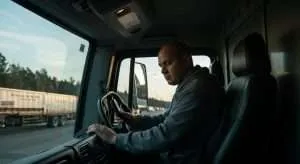
The Department of Transportation (DOT) enforces stringent drug testing protocols for safety-sensitive roles, including commercial drivers. Failing a DOT drug test in 2025 carries severe consequences, from immediate job loss to long-term career challenges. This blog explores the latest updates, legal implications, and recovery pathways for drivers navigating this critical issue.
1. Understanding DOT Drug Testing in 2025
What Constitutes a Failed Test?
A DOT drug test failure occurs when:
- A urine sample exceeds 2025 cut-off levels for marijuana (THC), cocaine, opiates, amphetamines, or PCP.
- A breath alcohol test registers 0.04% or higher 8.
- A driver refuses to test, including leaving the collection site early, not providing a sample, or tampering with the process.
Refusals are treated as equivalent to a positive result under §40.191 of DOT regulations.
2. Immediate Consequences of Failing a DOT Drug Test
Removal from Safety-Sensitive Duties
Drivers are immediately barred from operating commercial motor vehicles (CMVs) upon a failed test. Employers must enforce this removal to comply with FMCSA regulations.
Substance Abuse Professional (SAP) Evaluation
- A mandatory evaluation by a DOT-qualified SAP is required.
- The SAP assesses the driver’s substance use history and designs a treatment or education plan.
3. The Return-to-Duty Process: Steps to Reinstatement
Regaining eligibility involves a structured, multi-step process:
- SAP Assessment: A personalized plan is created, which may include counseling or rehabilitation.
- Treatment Completion: Drivers must finish the SAP-recommended program.
- Follow-Up Evaluation: The SAP verifies compliance and readiness to return.
- Return-to-Duty Test: A directly observed drug test with negative results is required.
- Follow-Up Testing: At least 6 unannounced tests over 12–60 months ensure ongoing compliance.
Failure to complete any step delays reinstatement indefinitely.
4. Long-Term Career and Legal Implications
Permanent Record in the DOT Clearinghouse
- Failed tests are recorded in the FMCSA Clearinghouse for 5 years or until RTD completion.
- Employers nationwide access this database, impacting future job prospects.
Employer Discretion and Legal Risks
- Employers may terminate employment, and drivers risk losing unemployment benefits.
- Legal liabilities arise if substance use contributes to accidents.
5. 2025 Trends: New Testing Methods and Challenges
Hair Follicle Testing
- Rolled out in 2025, this method detects drug use up to 90 days prior, making evasion nearly impossible.
- Confirmation of positive results may require urine testing for final validation.
Oral Fluid Testing
-
Approved as a complementary method, oral tests identify recent drug use (within 24–48 hours) and are less invasive.
Expanded Panels for Opioids
-
Some companies now test for synthetic opioids like fentanyl due to rising misuse.
6. Avoiding False Positives and Managing Prescriptions
CBD and Medical Marijuana
- CBD products may trigger THC positives, risking failed tests despite federal legality.
- Medical marijuana remains prohibited for CDL drivers under federal law, even in states like Florida.
Prescription Medications
-
Disclose prescriptions to the Medical Review Officer (MRO) before testing. Valid prescriptions can overturn false positives.
7. How to Protect Your Career
- Stay Informed: Regularly review FMCSA updates and employer policies.
- Avoid Prohibited Substances: Refrain from marijuana, stimulants, and non-prescribed opioids.
- Pre-Test Screening: Conduct independent tests to identify risks beforehand.
Navigating the Road to Recovery?
Failing a DOT drug test in 2025 is a serious setback but not career-ending. By adhering to the RTD process, staying compliant with evolving testing standards, and maintaining transparency with employers, drivers can rebuild their professional standing. Prioritizing sobriety and safety ensures long-term success in the transportation industry.
Rebuilding Your Career with Expert Guidance from SAPvaluate
Failing a DOT drug test in 2025 is a pivotal moment that demands immediate action, accountability, and a strategic path forward. While the consequences are severe, they are not insurmountable—especially with the right resources. This is where SAPvaluate steps in as a critical ally for drivers navigating the return-to-duty (RTD) process.
How SAPvaluate Streamlines Recovery
SAPvaluate offers a modern, tech-driven platform that connects drivers with DOT-qualified Substance Abuse Professionals (SAPs) who specialize in:
- Swift Evaluations: Accelerated assessments to minimize downtime and fast-track your RTD plan.
- Customized Treatment Programs: Tailored recommendations aligned with 2025 DOT compliance standards.
- Follow-Up Coordination: Seamless tracking of progress and mandatory follow-up testing requirements.
By leveraging SAPvaluate’s nationwide network of certified SAPs, drivers gain clarity, reduce administrative hurdles, and ensure adherence to evolving FMCSA regulations.
Why Trust SAPvaluate?
-
Transparency: Real-time updates on your case status via their online portal.
-
Compliance Guarantee: All SAP recommendations meet federal guidelines, protecting your eligibility.
-
24/7 Support: Access to experts who understand the urgency of resuming your career.
Your Next Steps
If you’ve failed a DOT drug test, don’t navigate this complex process alone. Visit SAPvaluate to connect with a SAP, design your recovery roadmap, and reclaim your place on the road. With the right support, this setback can become a stepping stone to a safer, more resilient career in transportation.