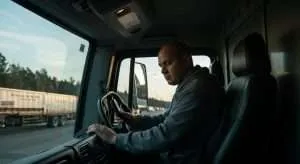
For commercial drivers, maintaining compliance with the U.S. Department of Transportation (DOT) drug and alcohol regulations is a critical part of staying on the road. A failed DOT drug or alcohol test, refusal to test, or another qualifying violation can immediately remove a Commercial Driver’s License (CDL) holder from performing safety-sensitive duties. Returning to work requires completing the DOT SAP Program in North Carolina and following the federally mandated return-to-duty process.
Many drivers assume that completing a treatment program alone is enough to regain eligibility. In reality, the process involves several required steps established by the DOT and administered through qualified Substance Abuse Professionals (SAPs). Employers, owner-operators, and CDL holders must all follow these federal regulations before a driver can legally resume safety-sensitive work.
This guide explains how the DOT SAP Program in North Carolina works in 2026, who needs it, what to expect during each stage of the process, estimated costs, and how to choose a qualified SAP provider.
What Is the DOT SAP Program in North Carolina?
The DOT SAP Program in North Carolina is a federally regulated evaluation and education process for employees who violate DOT drug and alcohol testing regulations. The program is not unique to North Carolina. Instead, it follows nationwide standards established under 49 CFR Part 40, which outlines procedures for workplace drug and alcohol testing in transportation industries.
A Substance Abuse Professional, commonly called a SAP, is responsible for evaluating the employee, determining the appropriate education or treatment plan, monitoring progress, and deciding whether the individual has successfully completed the recommended requirements.
The SAP does not decide whether an employer should rehire a driver. Their responsibility is to determine whether the employee has complied with the required recommendations before becoming eligible for the return-to-duty testing process.
The program applies to safety-sensitive transportation employees regulated by agencies including:
- Federal Motor Carrier Safety Administration (FMCSA)
- Federal Aviation Administration (FAA)
- Federal Railroad Administration (FRA)
- Federal Transit Administration (FTA)
- Pipeline and Hazardous Materials Safety Administration (PHMSA)
- United States Coast Guard (USCG)
For CDL drivers, the FMCSA regulations are the most relevant because they govern commercial trucking operations.
Who Needs the DOT SAP Program?
A driver must complete the DOT SAP Program after committing a DOT drug or alcohol regulation violation. These violations include:
- Positive DOT drug test
- Alcohol test result of 0.04 or higher
- Refusal to take a required DOT drug or alcohol test
- Adulterated or substituted drug test specimen
- Possession or use of prohibited drugs while performing safety-sensitive duties
- Violating DOT alcohol misuse regulations
The Clearinghouse, managed by the FMCSA, records these violations for CDL drivers. Until the return-to-duty process is completed, employers cannot legally permit affected drivers to perform safety-sensitive functions.
Failed a DOT Drug Test in North Carolina?
Receiving notice of a failed DOT drug test can be stressful, but understanding the required process can help drivers move forward.
A positive test does not permanently end a CDL career. Federal regulations provide a structured pathway for eligible drivers to demonstrate compliance and eventually return to safety-sensitive work.
After a verified positive test, employers must immediately remove the employee from safety-sensitive duties. For CDL drivers, the violation is also reported to the FMCSA Drug and Alcohol Clearinghouse.
The next step is contacting a qualified Substance Abuse Professional.
Avoid delaying the evaluation. Waiting weeks or months can significantly postpone the return-to-duty process because treatment recommendations cannot begin until after the initial SAP assessment.
What Happens After a Positive DOT Drug Test in North Carolina?
Every DOT-regulated employer must follow the federal return-to-duty process after a qualifying drug or alcohol violation.
The process generally follows these stages.
| Step | What Happens | Responsible Party |
|---|---|---|
| 1 | Driver removed from safety-sensitive duties | Employer |
| 2 | Initial SAP evaluation | Qualified SAP |
| 3 | Education or treatment recommendation | SAP |
| 4 | Completion of recommendations | Driver |
| 5 | Follow-up SAP evaluation | SAP |
| 6 | Return-to-duty drug or alcohol test | Employer and testing facility |
| 7 | Follow-up testing plan | Employer based on SAP recommendations |
Skipping any of these steps prevents a driver from legally returning to DOT-regulated work.
Understanding the Initial SAP Evaluation
The initial SAP evaluation is one of the most important parts of the process.
During the assessment, the SAP reviews several factors, including:
- Details surrounding the DOT violation
- Drug or alcohol use history
- Medical and behavioral health information
- Employment background
- Previous treatment history
- Risk factors that may affect future compliance
The purpose is not to punish the driver but to determine an appropriate course of action based on professional clinical judgment.
Depending on the assessment, recommendations may include:
- Drug education classes
- Alcohol awareness education
- Individual counseling
- Outpatient treatment
- Intensive outpatient treatment
- Residential treatment when clinically appropriate
No two recommendations are necessarily the same because each case is evaluated individually.
Completing Education or Treatment Requirements
After the evaluation, drivers must successfully complete every recommendation made by the SAP.
This could involve attending educational sessions, completing counseling, participating in outpatient treatment, or meeting other clinically appropriate requirements.
Completion does not automatically restore eligibility.
Drivers must provide documentation showing that all recommendations have been fulfilled before scheduling the follow-up evaluation.
The length of this phase varies depending on the recommendation. Some education programs may be completed within days, while structured treatment programs can take several weeks or longer.
Follow-Up SAP Evaluation
Once all recommendations have been completed, the driver returns to the same SAP for a follow-up evaluation.
During this appointment, the SAP determines whether the employee has:
- Successfully completed the required education or treatment
- Demonstrated compliance with recommendations
- Shown readiness to return to safety-sensitive duties
If satisfied, the SAP reports successful compliance and authorizes the employee to move forward in the DOT return-to-duty process.
If additional work is necessary, further education or treatment may be recommended before successful completion is granted.
Return-to-Duty Testing
A successful follow-up evaluation does not immediately place a driver back behind the wheel.
The employer must arrange a directly observed return-to-duty drug or alcohol test.
The driver must receive a negative test result before resuming safety-sensitive responsibilities.
Following reinstatement, the SAP also develops a follow-up testing plan.
Federal regulations require at least six unannounced follow-up tests during the first 12 months after returning to duty, although the SAP may require additional testing for up to five years depending on the circumstances.
These RTD follow-up tests are separate from random workplace testing already required under DOT regulations.
How to Find a DOT SAP Provider in North Carolina
Choosing the right SAP provider is an important part of completing the DOT SAP Program in North Carolina efficiently.
Drivers should verify that the provider meets all DOT qualification requirements under 49 CFR Part 40.
When selecting a provider, consider:
- DOT qualification and credentials
- Experience with FMCSA return-to-duty cases
- Availability of virtual or in-person evaluations where permitted
- Transparent pricing
- Clear communication throughout the process
- Timely scheduling for both evaluations
Avoid providers who promise guaranteed approvals or immediate reinstatement. Federal regulations require independent professional judgment, and no legitimate SAP can guarantee a specific outcome.
Common Mistakes CDL Drivers Should Avoid
Drivers often delay their return because of avoidable mistakes.
Common issues include:
- Waiting too long to schedule the SAP evaluation
- Choosing someone who is not DOT qualified
- Failing to complete every recommended requirement
- Missing counseling or education appointments
- Assuming treatment completion automatically restores CDL eligibility
- Returning to work before completing the official return-to-duty process
Understanding each step helps reduce delays and keeps the process moving efficiently.
Why Federal Compliance Matters
The DOT drug and alcohol testing program exists to improve transportation safety across the United States.
According to the Federal Motor Carrier Safety Administration, substance misuse among commercial drivers can significantly increase crash risks and threaten public safety. The SAP process is designed to evaluate whether an employee can safely return to performing safety-sensitive duties while maintaining compliance with federal regulations.
For employers, following the required procedures also reduces regulatory risk and helps ensure compliance with DOT and FMCSA requirements.
DOT SAP Program Cost in North Carolina (2026 Guide)
One of the most common questions CDL drivers ask is how much the DOT SAP Program costs. The answer depends on several factors because the Department of Transportation does not regulate pricing. Individual Substance Abuse Professionals establish their own fees based on experience, location, and the services included.
In most cases, drivers should expect to pay separately for each stage of the process.
| Service | Typical Cost Range (2026 Estimate) | Notes |
|---|---|---|
| Initial SAP Evaluation | $350 to $600 | Includes the clinical assessment and recommendations |
| Education Program | $100 to $500 | Cost varies depending on the required course |
| Counseling or Treatment | Varies | Depends on the provider, duration, and level of care |
| Follow-Up SAP Evaluation | $150 to $350 | Required before beginning the return-to-duty process |
| Return-to-Duty Drug Test | Usually employer or driver responsibility | Pricing varies by testing facility |
Actual costs may differ depending on the provider, the complexity of the case, and whether additional treatment is recommended. Before scheduling an appointment, ask for a clear explanation of what services are included in the quoted fee.
Some employers cover part or all of the expenses associated with the return-to-duty process, while others require the employee to pay. Owner-operators are generally responsible for arranging and paying for their own evaluations and related services.
How Long Does the DOT SAP Program Take?
There is no standard timeline because every case is different.
The overall length depends on factors such as:
- How quickly the initial evaluation is scheduled
- The recommendations made by the SAP
- Whether education or treatment is required
- The driver’s participation and attendance
- Availability of follow-up appointments
- Scheduling of the return-to-duty test
For drivers who only need educational programming, the process may be completed relatively quickly. Cases requiring counseling or structured treatment can take several weeks or months before the follow-up evaluation is appropriate.
The most effective way to avoid unnecessary delays is to begin the SAP process as soon as possible after a violation occurs.
DOT SAP Program in North Carolina for Owner-Operators
Owner-operators must follow the same federal regulations as company drivers.
If an owner-operator commits a DOT drug or alcohol violation, they cannot return to performing safety-sensitive functions until they complete the required return-to-duty process.
This includes:
- Completing the initial SAP evaluation
- Following all education or treatment recommendations
- Successfully completing the follow-up evaluation
- Passing the return-to-duty test
- Completing the follow-up testing plan
Owner-operators are also responsible for ensuring they remain compliant with FMCSA Drug and Alcohol Clearinghouse requirements.
Frequently Asked Questions
Is the DOT SAP Program only required in North Carolina?
No. The SAP process follows federal DOT regulations and applies across the United States. The requirements are the same regardless of the state where the violation occurred.
Can I choose my own SAP provider?
Yes. Drivers may select any DOT-qualified Substance Abuse Professional who meets the qualification requirements established under 49 CFR Part 40. Employers may also provide referrals.
Can I return to work immediately after completing treatment?
No. Completing treatment alone does not restore eligibility. You must complete the follow-up SAP evaluation, receive a determination of successful compliance, pass the return-to-duty drug or alcohol test, and satisfy all federal requirements before returning to safety-sensitive duties.
Does a SAP guarantee I can return to driving?
No. A Substance Abuse Professional cannot guarantee a particular outcome. Their role is to conduct an independent clinical evaluation and determine whether the employee has successfully complied with the recommended education or treatment.
Will the violation remain in the FMCSA Clearinghouse?
DOT violations are recorded in the FMCSA Drug and Alcohol Clearinghouse according to federal retention requirements. Completing the SAP process allows eligible drivers to return to safety-sensitive work but does not automatically remove the record.
Key Takeaways
Before beginning the return-to-duty process, remember these important points:
- The DOT SAP Program is required after specific DOT drug and alcohol violations.
- Every driver must complete an initial evaluation with a qualified SAP.
- Education or treatment recommendations vary based on the individual assessment.
- A follow-up evaluation is required before returning to duty.
- A negative return-to-duty test is mandatory.
- Follow-up testing continues after reinstatement according to the SAP’s plan.
- Choosing a qualified SAP provider can help drivers navigate the process more efficiently while remaining compliant with federal regulations.
Get Guidance Through Your DOT SAP Program with SAPvaluate
Completing the DOT SAP Program in North Carolina can feel overwhelming, especially when you are trying to understand federal requirements, schedule evaluations, and work toward returning to safety-sensitive duties. Having access to accurate information and a clear understanding of the process can make each step easier to manage.
SAPvaluate supports CDL drivers, owner-operators, and DOT-regulated employees by helping them navigate the federally required SAP process with qualified professionals. Whether you are scheduling an initial evaluation, completing a follow-up assessment, or looking for information about the return-to-duty process, understanding each requirement is essential for moving forward in compliance with DOT regulations.
If you need guidance regarding the DOT SAP Program in North Carolina, SAPvaluate provides resources to help drivers better understand the process and connect with qualified SAP services as they work toward meeting federal return-to-duty requirements.
References
- U.S. Department of Transportation, Office of Drug and Alcohol Policy and Compliance. Substance Abuse Professional (SAP) Guidance. https://www.transportation.gov/odapc/sap
- Electronic Code of Federal Regulations. 49 CFR Part 40: Procedures for Transportation Workplace Drug and Alcohol Testing Programs. https://www.ecfr.gov/current/title-49/subtitle-A/part-40
- Federal Motor Carrier Safety Administration. Drug and Alcohol Clearinghouse. https://clearinghouse.fmcsa.dot.gov
- Federal Motor Carrier Safety Administration. Drug and Alcohol Testing Program. https://www.fmcsa.dot.gov/regulations/drug-alcohol-testing
- U.S. Department of Transportation. What Employees Need to Know About DOT Drug and Alcohol Testing. https://www.transportation.gov/odapc