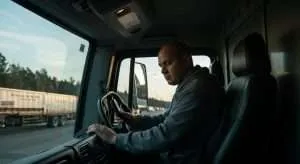
Commercial driving is one of the most regulated professions in the United States. CDL drivers are responsible for operating large vehicles that directly impact public safety, which is why the Department of Transportation (DOT) has established strict drug and alcohol testing requirements.
A failed DOT drug or alcohol test can create major challenges for Pennsylvania CDL drivers. A violation may result in removal from safety-sensitive duties, restrictions recorded through the FMCSA Drug and Alcohol Clearinghouse, and the requirement to complete a formal return-to-duty process before operating a commercial vehicle again.
The DOT SAP Program in Pennsylvania provides a structured pathway for drivers who have received a DOT drug or alcohol violation. The program involves an evaluation conducted by a qualified Substance Abuse Professional (SAP), completion of recommended education or treatment, a follow-up evaluation, and a DOT return-to-duty test.
Understanding this process is important because many drivers are unfamiliar with federal requirements and may make mistakes that delay their ability to return to work.
This guide explains the complete SAP process for Pennsylvania CDL drivers, including eligibility requirements, timelines, costs, employer responsibilities, and important FMCSA rules.
What Is the DOT SAP Program?
The DOT SAP process is a federally regulated program created for employees who violate DOT drug and alcohol testing regulations.
A Substance Abuse Professional evaluates the employee and determines the appropriate next steps based on the nature of the violation and the individual’s circumstances.
The SAP does not determine employment status and does not decide whether someone can keep their CDL permanently. Instead, the SAP manages the compliance process required before a driver can become eligible for a return-to-duty test.
The process applies to workers regulated by different DOT agencies, including:
- Federal Motor Carrier Safety Administration (FMCSA)
- Federal Aviation Administration (FAA)
- Federal Railroad Administration (FRA)
- Federal Transit Administration (FTA)
- Pipeline and Hazardous Materials Safety Administration (PHMSA)
- United States Coast Guard
For Pennsylvania CDL drivers, FMCSA regulations are typically the primary concern because they apply to commercial motor vehicle operations.
Why Pennsylvania CDL Drivers May Need a SAP Evaluation
A CDL driver may need a SAP evaluation after certain DOT drug and alcohol violations.
Common situations requiring SAP involvement include:
| Violation | Explanation | Required Action |
|---|---|---|
| Positive drug test | A DOT-regulated test identifies prohibited substances | SAP evaluation required before return-to-duty process |
| Alcohol concentration of 0.04 or higher | Result exceeds DOT limit for safety-sensitive workers | Driver must complete SAP requirements |
| Refusal to test | Driver refuses or fails to complete required testing | Treated as a DOT violation |
| Attempted test tampering | Driver interferes with testing procedures | SAP process required |
| Leaving testing process improperly | Failure to complete required procedures | May trigger violation consequences |
These violations are reported to the FMCSA Drug and Alcohol Clearinghouse, which maintains records of CDL driver drug and alcohol violations.
Understanding FMCSA Clearinghouse Requirements in Pennsylvania
The FMCSA Drug and Alcohol Clearinghouse became operational on January 6, 2020. It provides a national database that tracks CDL driver drug and alcohol program violations.
The Clearinghouse helps employers determine whether a driver is eligible to perform safety-sensitive functions.
The database includes information such as:
- Drug test violations
- Alcohol test violations
- Test refusals
- Return-to-duty completion status
- Follow-up testing requirements
A driver cannot simply move to another trucking company after a violation and avoid the process. Employers must check Clearinghouse records before allowing a driver to operate a commercial motor vehicle.
The relationship between the SAP process and Clearinghouse can be summarized below:
| Component | Purpose |
|---|---|
| FMCSA Clearinghouse | Stores CDL drug and alcohol violation records |
| SAP Evaluation | Determines required education or treatment steps |
| Return-to-duty Test | Confirms eligibility to resume safety-sensitive work |
| Follow-up Testing | Monitors compliance after returning to duty |
DOT SAP Program in Pennsylvania Process Explained
The DOT SAP Program in Pennsylvania follows federal DOT regulations. Although the driver completes services within Pennsylvania, the requirements are established under federal law and apply nationwide.
The process includes several mandatory stages.
Step 1: Initial SAP Evaluation
The first step is scheduling an evaluation with a qualified Substance Abuse Professional.
During the evaluation, the SAP reviews:
- Details of the DOT violation
- Driver history
- Previous substance-related concerns
- Relevant background information
- Individual circumstances
The SAP uses this information to determine an appropriate recommendation.
Possible recommendations may include:
- Education program
- Counseling sessions
- Substance abuse treatment
- Additional assessments
- Other support services
Each driver’s recommendation may be different because the evaluation is based on individual circumstances.
Step 2: Complete SAP Recommendations
After the initial evaluation, the driver must complete the recommended program.
The requirement depends on the SAP’s assessment.
Examples include:
| Recommendation Type | Purpose |
|---|---|
| Education course | Helps drivers understand substance use risks and DOT expectations |
| Counseling | Provides professional support and behavioral guidance |
| Treatment program | Addresses situations requiring structured care |
| Additional evaluation | Provides further assessment when necessary |
A driver cannot move forward to return-to-duty testing until the SAP requirements have been completed.
Step 3: SAP Follow-Up Evaluation
After completing the recommended program, the driver meets with the SAP again.
The SAP reviews whether the driver:
- Completed assigned requirements
- Followed recommendations
- Demonstrated compliance
If requirements are successfully completed, the SAP provides the necessary documentation allowing the driver to proceed with the return-to-duty process.
Step 4: Return-to-Duty Drug or Alcohol Test
The driver must complete a DOT return-to-duty test after receiving SAP clearance.
The employer must ensure the test follows DOT testing procedures.
The driver cannot perform safety-sensitive duties until receiving the required negative result.
A private drug test does not replace the DOT return-to-duty test.
Step 5: Follow-Up Testing Requirements
After returning to work, additional testing may be required.
The SAP creates a follow-up testing plan based on the evaluation.
DOT regulations allow follow-up testing for up to five years.
The purpose of follow-up testing is to provide continued monitoring after a violation and support compliance with transportation safety requirements.
Cost of DOT SAP Program in Pennsylvania
The cost of completing the SAP process in Pennsylvania depends on several factors, including the SAP provider’s fees, the type of education or treatment recommended, and additional testing requirements.
The DOT does not set a fixed price for SAP services. Costs are generally determined by individual SAP professionals and service providers. In many cases, the employee is responsible for paying these expenses unless an employer program provides financial assistance.
CDL drivers should consider all possible expenses involved in completing the return-to-duty process.
| Service | Estimated Cost Range | Description |
|---|---|---|
| Initial SAP evaluation | $100 to $250 | First assessment conducted by a DOT-qualified SAP |
| SAP follow-up evaluation | $75 to $200 | Review after completing recommendations |
| Education program | $100 to $500+ | Cost varies based on course length and provider |
| Counseling or treatment services | Varies | Depends on recommended level of care |
| DOT return-to-duty test | Approximately $50 to $150 | Required test after SAP clearance |
| Follow-up testing | Varies | Cost depends on employer testing arrangements |
The total cost depends on the driver’s specific situation. A driver who only requires an educational program may complete the process at a lower cost than a driver requiring additional treatment services.
Before selecting a provider, CDL drivers should confirm that the SAP meets DOT qualification standards under 49 CFR Part 40.
How Long Does the SAP Process Take in Pennsylvania?
The timeline for completing the SAP process varies from driver to driver. Some individuals may complete the required steps within a few weeks, while others may require additional time depending on the recommendations provided.
Factors affecting the timeline include:
- Availability of SAP appointments
- Type of education or treatment required
- Completion speed of recommended programs
- Scheduling of follow-up evaluations
- Employer testing procedures
A general timeline may look like this:
| Process Stage | Average Timeline |
|---|---|
| Initial SAP evaluation | 1 to 7 days depending on availability |
| Completion of recommended program | Depends on recommendation |
| Follow-up SAP evaluation | After completion requirements |
| Return-to-duty test | Scheduled after SAP clearance |
| Follow-up monitoring | Up to 5 years when required |
Drivers should avoid delaying the process because they cannot legally return to safety-sensitive driving duties until all required steps are completed.
SAP Qualification Requirements in Pennsylvania
A Substance Abuse Professional providing DOT SAP services must meet federal qualification standards.
Under DOT regulations, qualified SAP professionals may include:
- Licensed physicians
- Licensed psychologists
- Licensed social workers
- Licensed employee assistance professionals
- Certified addiction counselors
- Other professionals who satisfy DOT training and credential requirements
A qualified SAP must complete specialized training and maintain knowledge of DOT drug and alcohol testing regulations.
When choosing a SAP in Pennsylvania, drivers should verify:
| Verification Point | Why It Matters |
|---|---|
| DOT qualification | Ensures the evaluation follows federal requirements |
| Knowledge of 49 CFR Part 40 | Helps maintain compliance |
| Experience with CDL cases | Provides familiarity with driver requirements |
| Proper documentation procedures | Prevents delays during the return-to-duty process |
Using an unqualified provider may result in documentation issues and unnecessary delays.
Pennsylvania CDL Drivers: SAP Process Responsibilities
Drivers play an important role in completing the return-to-duty process successfully.
The following responsibilities help prevent unnecessary delays.
Contact a SAP Quickly
After receiving a DOT violation, drivers should begin the process as soon as possible.
Waiting too long can extend the time before returning to commercial driving.
Be Honest During the Evaluation
The SAP evaluation depends on accurate information.
Drivers should provide complete details regarding:
- Previous DOT testing history
- Relevant personal information
- Prior treatment or counseling
- Circumstances related to the violation
Accurate information allows the SAP to create an appropriate recommendation.
Complete All Requirements
Drivers must complete the education or treatment recommendations provided by the SAP.
Incomplete programs may prevent the driver from moving forward.
Maintain Documentation
Drivers should keep copies of:
- SAP evaluation records
- Completion certificates
- Treatment documentation
- Return-to-duty test results
These records can help when communicating with employers or future employers.
Employer Responsibilities Under DOT SAP Regulations
Employers also have specific obligations when managing CDL drivers with DOT violations.
Pennsylvania trucking companies must follow FMCSA regulations when dealing with drivers who have drug or alcohol violations.
Employer responsibilities include:
| Employer Responsibility | Explanation |
|---|---|
| Remove driver from safety-sensitive duties | Required after qualifying violations |
| Check FMCSA Clearinghouse | Confirms driver eligibility status |
| Verify SAP completion | Ensures required steps are finished |
| Require return-to-duty testing | Must occur before the driver resumes duties |
| Maintain testing records | Required under DOT regulations |
Employers cannot allow a driver with an unresolved DOT violation to operate a commercial motor vehicle requiring federal compliance.
Common Mistakes Drivers Make During the SAP Process
Many CDL drivers experience delays because they misunderstand how the SAP process works.
Mistake 1: Assuming the Violation Disappears After Changing Jobs
A DOT violation remains connected to the driver’s Clearinghouse record.
Changing employers does not remove the requirement to complete the SAP process.
Mistake 2: Using an Unqualified SAP Provider
Not every counselor or treatment professional is qualified to perform DOT SAP evaluations.
Drivers should confirm that the provider meets DOT requirements.
Mistake 3: Taking a Non-DOT Drug Test
A personal drug test does not satisfy federal return-to-duty requirements.
The required return-to-duty test must follow DOT procedures.
Mistake 4: Ignoring Follow-Up Testing
Completing the initial process does not always end all obligations.
Drivers may still need to complete follow-up testing according to their SAP plan.
Mistake 5: Waiting Until Applying for a Job
Starting the process early can prevent delays when seeking future employment.
DOT SAP Process Example for a Pennsylvania CDL Driver
The following example shows a possible timeline for a driver completing the process:
| Time Period | Action | Outcome |
|---|---|---|
| Day 1 | Driver receives DOT violation | Removed from safety-sensitive duties |
| First week | Driver contacts SAP | Initial evaluation completed |
| Following weeks | Driver completes recommendations | Education or treatment completed |
| After completion | SAP conducts follow-up evaluation | Driver receives clearance for testing |
| Next step | DOT return-to-duty test completed | Driver may become eligible to return |
| Following months/years | Follow-up testing completed | Continued compliance |
The actual timeline depends on the driver’s circumstances and required recommendations.
DOT SAP Program vs Regular Substance Abuse Counseling
A common misunderstanding is that the DOT SAP process is the same as general counseling. While both may involve professional support, they serve different purposes.
| DOT SAP Process | Regular Counseling |
|---|---|
| Required after DOT violation | May be voluntary or recommended |
| Governed by DOT regulations | Governed by general healthcare standards |
| Focuses on transportation compliance | Focuses on personal goals and wellbeing |
| Determines return-to-duty eligibility steps | Does not authorize DOT testing |
| Requires DOT-qualified professionals | Provider requirements vary |
A driver may participate in both SAP services and regular counseling depending on individual needs.
Frequently Asked Questions About DOT SAP Program in Pennsylvania
What is the DOT SAP Program in Pennsylvania?
The DOT SAP Program in Pennsylvania is a federally regulated process designed for CDL drivers and other DOT-regulated employees who have violated drug or alcohol testing rules. The process includes SAP evaluation, recommended education or treatment, follow-up evaluation, and return-to-duty testing.
How does a CDL driver start the SAP process in Pennsylvania?
A driver starts by scheduling an evaluation with a DOT-qualified Substance Abuse Professional. The SAP reviews the violation and determines the required next steps.
Can I drive a commercial vehicle while completing the SAP process?
No. Drivers with unresolved DOT violations cannot perform safety-sensitive duties until they complete required steps and receive authorization through the return-to-duty process.
Does completing SAP remove my FMCSA Clearinghouse violation?
No. Completing the SAP process updates compliance status but does not erase the historical violation record.
How long can follow-up testing continue?
DOT regulations allow follow-up testing for up to five years after returning to duty, depending on the SAP’s recommendation.
Can my employer pay for SAP services?
Payment policies vary. Some employers may provide assistance, while many drivers pay directly for SAP evaluations and related services.
Important Facts Pennsylvania CDL Drivers Should Know
| Fact | Explanation |
|---|---|
| DOT rules apply nationwide | Pennsylvania follows federal DOT requirements |
| SAP evaluation is mandatory after qualifying violations | Drivers cannot skip the process |
| Clearinghouse tracks violations | Records follow drivers between employers |
| Return-to-duty testing is required | Drivers must complete official testing |
| Follow-up testing may be required | SAP determines monitoring requirements |
| Qualified SAP selection matters | Proper credentials help maintain compliance |
Move Forward With Confidence Through SAPvaluate’s DOT Compliance Support
Completing a DOT violation recovery process requires understanding federal requirements, following each required step, and working with qualified professionals.
For CDL drivers navigating the DOT SAP Program in Pennsylvania, having access to clear information about evaluations, education requirements, return-to-duty testing, and compliance expectations can make the process easier to understand.
SAPvaluate helps drivers understand the SAP process and provides guidance related to DOT compliance requirements. With a focus on structured support and accurate information, SAPvaluate assists CDL professionals working toward completing their required steps and moving forward in their transportation careers.
Understanding the requirements early allows drivers to make informed decisions and approach the SAP process with better preparation.