
Can I Do a DOT SAP Evaluation Remotely? 2026 Guide

If you have received a DOT drug or alcohol violation, one of the first questions you may have is whether you need to travel to a Substance Abuse Professional (SAP) office for an evaluation. At SAPvaluate, we provide remote DOT SAP evaluations so you can complete your evaluation through a live video appointment without traveling to an SAP office. Federal regulations allow a SAP’s clinical assessment to be performed remotely when the evaluation meets the requirements of 49 CFR Part 40 and the SAP is permitted to provide remote services under the applicable licensing or credentialing rules. For us, the important point is that an online evaluation still needs to be a real SAP evaluation. We conduct live evaluations rather than relying on an automated questionnaire or a simple online form. Our goal is to make the DOT SAP process easier to access while maintaining the requirements that apply to the SAP evaluation and Return-to-Duty process. Can You Do a DOT SAP Evaluation Remotely in 2026? Yes. We provide Virtual DOT SAP Evaluations for eligible DOT-regulated employees who need to complete the SAP process remotely. Under 49 CFR Part 40, a SAP may conduct the clinical assessment remotely when the applicable requirements are met. The technology must allow real-time audio and visual interaction between the SAP and employee, and the quality of the connection must allow the SAP to gather the information that would otherwise be available during an in-person evaluation. This is important because an online SAP evaluation is not simply an online questionnaire. When you work with us, you meet with a qualified SAP through a live video evaluation. We assess your circumstances and determine what education or treatment recommendations are appropriate based on your individual situation. What Is a Remote DOT SAP Evaluation? A remote DOT SAP evaluation is a live clinical assessment between you and a DOT-qualified Substance Abuse Professional using appropriate remote communication technology. At SAPvaluate, we conduct our virtual evaluations through video communication, allowing you to complete the evaluation without traveling to an office. Our remote process is designed for CDL drivers and other DOT-regulated safety-sensitive employees who need to navigate the SAP and Return-to-Duty process. The most important part of a remote evaluation is the live interaction. We need to be able to communicate with you in real time, ask the necessary questions, understand your circumstances, and complete the assessment appropriately. A remote evaluation should not be treated as an automated online test where you answer questions and immediately receive a certificate. Is an Online SAP Evaluation the Same as an In-Person Evaluation? The delivery method is different, but the underlying SAP responsibilities remain important. When we conduct an Online SAP Evaluation, we still perform the required assessment and determine what education or treatment may be appropriate based on your individual circumstances. The DOT SAP process requires an individualized assessment. We do not simply assign every employee the same recommendation based on the type of violation they received. Our SAP professionals evaluate the circumstances surrounding the violation and determine the appropriate next steps under the DOT SAP process. If education or treatment is recommended, you must complete the recommendation before moving forward with the follow-up evaluation and applicable Return-to-Duty requirements. Who May Need a DOT SAP Evaluation? If you have violated a DOT drug or alcohol regulation and need to return to DOT safety-sensitive work, you may need to complete a SAP evaluation before returning to those duties. Examples of violations can include: A verified positive DOT drug test A DOT alcohol test result of 0.04 or greater A refusal to test Adulterating or substituting a specimen Other violations of a DOT agency’s drug and alcohol requirements The SAP process is not limited to truck drivers. DOT-regulated safety-sensitive employees can include CDL drivers, aviation employees, railroad employees, public transportation workers, maritime employees, pipeline workers, and other employees covered by DOT drug and alcohol testing regulations. For CDL drivers, the process can also involve the FMCSA Clearinghouse and the applicable Return-to-Duty requirements. If you are unsure whether your violation requires a SAP evaluation, we can help you understand the process and identify the appropriate next step. How Does Our DOT SAP Program Online Process Work? When you choose SAPvaluate, we make the process straightforward while recognizing that every case is different. The exact steps can vary depending on your violation and the recommendations made by your SAP, but the process generally includes the following stages. 1. Schedule Your Initial SAP Evaluation The first step is scheduling your initial evaluation with a DOT-qualified SAP. With SAPvaluate, you can start the process online and schedule a virtual evaluation without traveling to an office. Before your appointment, we recommend having information about your DOT violation available. This can help our SAP professional understand your circumstances and conduct a more complete assessment. 2. Complete Your Live Evaluation Your initial assessment is conducted through a live video interaction with our SAP professional. During the evaluation, we discuss your circumstances, substance use history, and other information relevant to the SAP assessment. We use the information gathered during the evaluation to determine what education or treatment recommendation is appropriate for your individual situation. We do not treat every employee as though they have identical circumstances. The recommendation needs to reflect the individual assessment. 3. Complete Any Recommended Education or Treatment After your evaluation, your SAP may recommend education, treatment, or both. The recommendation depends on the results of your assessment. This is why an online substance abuse program should not be confused with simply purchasing an online course. If your SAP recommends a specific education or treatment program, you need to successfully complete the recommendation before moving forward. At SAPvaluate, we help you understand the recommendations and the steps you need to take to continue through the SAP process. 4. Complete Your Follow-Up SAP Evaluation After you complete the recommended education or treatment, you will need a follow-up evaluation. During this evaluation, the SAP determines whether you have actively participated
DOT Drug Test Failure vs Refusal: What’s the Difference?

A DOT drug test failure and a refusal to take a DOT drug test are not the same event, but both can create serious consequences for employees in safety-sensitive positions. For drivers and other transportation workers, the distinction matters because the circumstances behind the violation can be different, even though both may require an employee to complete the Return-to-Duty Process before resuming DOT safety-sensitive work. A verified positive drug test generally means the laboratory detected a controlled substance or metabolite at or above the applicable cutoff and the Medical Review Officer, or MRO, verified the result after reviewing the employee’s explanation and any relevant medical information. A refusal, on the other hand, concerns the employee’s conduct during the testing process. Federal regulations define several situations that can constitute a refusal, including failing to appear for a required test, leaving the collection site before the process is complete, failing to provide a specimen, or failing to cooperate with the collection process. Understanding that difference can help employees know what to expect and what steps to take next. What Is a Failed DOT Drug Test? In everyday language, people often say they “failed” a DOT drug test when they receive a positive result. Under DOT regulations, however, the result goes through a formal verification process. A laboratory does not simply send a positive result directly to the employer. The MRO reviews the laboratory finding and gives the employee an opportunity to provide information that could establish a legitimate medical explanation. If the MRO verifies the result as positive, it becomes a DOT drug and alcohol program violation. For CDL drivers subject to FMCSA regulations, the applicable violation is also reported to the Drug and Alcohol Clearinghouse. A verified positive result can involve substances covered by the DOT testing panel, including marijuana metabolites, cocaine metabolites, amphetamines, opioids, or phencyclidine, depending on the applicable testing requirements. What Is a Refusal to Take a DOT Drug Test? A refusal is broader than simply telling a collector, “I won’t take the test.” Under 49 CFR §40.191, an employee can be considered to have refused a DOT drug test in several circumstances. Examples include: Failing to appear for a required test within the applicable timeframe Leaving the collection site before the testing process is completed Failing to provide a required specimen Failing to permit an observed or monitored collection when required Failing to provide a sufficient specimen without an adequate medical explanation Declining an additional drug test when properly directed Failing to undergo a required medical examination or evaluation Failing to cooperate with the testing process Possessing or wearing a device intended to interfere with collection Admitting to the collector or MRO that the specimen was adulterated or substituted An MRO-verified adulterated or substituted specimen is also treated as a refusal under the federal regulations. So, someone can receive a refusal violation without ever producing a specimen that tests positive for a drug. DOT Drug Test Failure vs. Refusal: The Key Difference The simplest distinction is this: A positive drug test concerns what the laboratory found in the specimen. A refusal concerns what happened during the testing process. That does not mean a refusal is treated as a minor administrative issue. Under DOT rules, a refusal is itself a violation of the applicable DOT drug and alcohol regulations. An employee who incurs a qualifying violation cannot resume DOT safety-sensitive duties until the required SAP evaluation, referral, education or treatment, and return-to-duty requirements have been completed. Issue Verified Positive Drug Test Refusal to Test Basic meaning Laboratory identifies a drug or metabolite at or above the applicable cutoff and the MRO verifies the result Employee fails to comply with a requirement of the DOT testing process Specimen provided? Generally yes May be provided, insufficient, adulterated, substituted, or not provided MRO involvement MRO verifies the laboratory result and considers a legitimate medical explanation MRO determines certain types of refusals, while other refusal determinations are made by the employer under Part 40 Examples Verified marijuana, cocaine, opioid, amphetamine, or PCP result Failure to appear, leaving collection site, failure to cooperate, adulteration or substitution DOT violation? Yes, when verified under the regulations Yes Safety-sensitive work Employee must be removed from covered duties following a violation Employee must be removed from covered duties following a violation SAP process Required before returning to covered safety-sensitive duties Required before returning to covered safety-sensitive duties RTD test Required before returning to safety-sensitive duties Required before returning to safety-sensitive duties Follow-up testing SAP establishes a follow-up testing plan SAP establishes a follow-up testing plan Is a Refusal Worse Than a Positive Test? There is no simple federal rule saying that one type of violation is universally “worse” than the other. Both are serious DOT violations, and both can trigger the Return-to-Duty Process. The practical consequences can depend on the specific violation, the applicable DOT agency rules, the employer’s policies, and the employee’s circumstances. It is therefore risky to assume that refusing a test is a way to avoid a positive result. DOT specifically advises employees not to interfere with the testing process or refuse a test. If an employee believes something went wrong during the collection, the safer approach is generally to complete the testing process and then raise the concern through the appropriate channels. What If You Believe the Positive Result Is Wrong? A verified positive DOT drug test does not necessarily mean you have no opportunity to challenge the result. After the MRO verifies a positive result, the employee has the right to request testing of the split, or “B,” specimen. Under 49 CFR §40.171, the employee generally has 72 hours from the MRO’s notification to request the split-specimen test. The request can be made verbally or in writing. The second laboratory analyzes the split specimen. Depending on the outcome, the original result may be reconfirmed or the test may be cancelled under the applicable regulatory procedures. This is an important distinction from simply ignoring the result. If you believe the test result is inaccurate, pay close attention
Failed a DOT Drug Test? How the SAP Evaluation Process Works
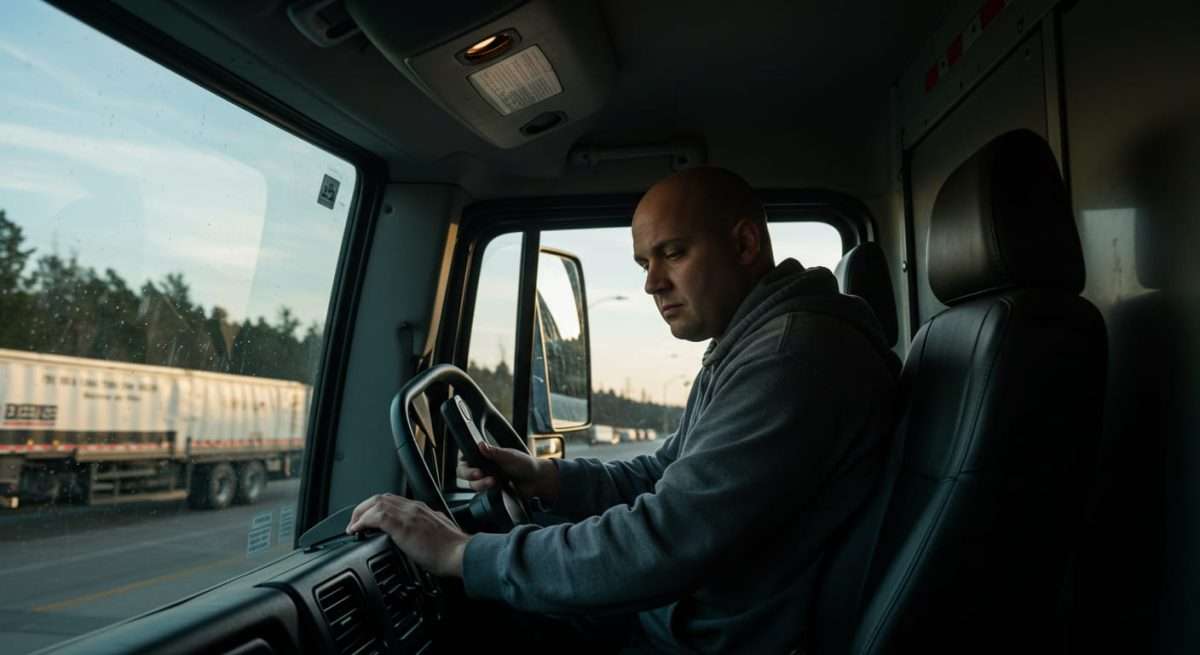
A failed DOT drug test can create immediate uncertainty for someone working in a safety-sensitive position. For CDL drivers, pilots, pipeline employees, transit workers, railroad employees, and other DOT-regulated workers, a violation can prevent them from performing safety-sensitive duties until specific requirements are completed. The good news is that a failed test does not necessarily mean the end of a career. Federal regulations provide a structured path for eligible employees to address a drug or alcohol violation and work toward returning to safety-sensitive duties. A key part of that process is the SAP evaluation process. A Substance Abuse Professional, or SAP, evaluates the employee, determines what education or treatment is appropriate, conducts a follow-up evaluation, and establishes the required follow-up testing plan. Understanding each step can make the Return-to-Duty Process much easier to navigate. What Happens After a Failed DOT Drug Test? A DOT drug test is governed by federal regulations, not simply an employer’s internal drug testing policy. When a DOT drug test results in a verified violation, the employee is prohibited from performing covered safety-sensitive functions until the applicable return-to-duty requirements are satisfied. For CDL drivers covered by the FMCSA Drug and Alcohol Clearinghouse, an unresolved drug or alcohol violation places the driver in a prohibited status. The driver cannot perform safety-sensitive functions for a DOT-regulated employer while that status remains unresolved. The process generally involves: Selecting a qualified Substance Abuse Professional. Completing the initial SAP evaluation. Completing the education or treatment recommended by the SAP. Completing the SAP follow-up evaluation. Becoming eligible for the return-to-duty test. Completing a negative return-to-duty test. Completing the SAP’s required follow-up testing plan. The exact requirements can vary because the SAP’s recommendations are based on an individualized evaluation. What Is a SAP Evaluation? A SAP evaluation is a professional assessment conducted by a qualified Substance Abuse Professional after a DOT drug or alcohol violation. The purpose is not simply to determine whether someone “passed” or “failed” a counseling appointment. Under 49 CFR Part 40, the SAP evaluates the employee and determines whether education, treatment, or other services are appropriate. The evaluation considers the employee’s circumstances and relevant substance use history. Based on that assessment, the SAP develops recommendations that the employee must follow before becoming eligible for the return-to-duty test. This is why employees should be cautious about anyone promising automatic clearance or guaranteeing a particular outcome before completing an evaluation. A legitimate SAP process is individualized. The SAP Evaluation Process Explained Step by Step Step 1: Choose a Qualified SAP After a DOT violation, the employee needs to work with a qualified Substance Abuse Professional. For CDL drivers, the employer is required to provide a list of DOT-qualified SAPs. The driver then selects a SAP based on their own research. The SAP must meet the professional qualification requirements established under DOT regulations. Choosing a provider based only on advertising can be risky. Employees should verify that the professional is qualified to perform DOT SAP evaluations and understands the applicable federal requirements. Step 2: Complete the Initial Evaluation The initial evaluation is the foundation of the SAP evaluation process. During this assessment, the SAP gathers information relevant to the employee’s situation and evaluates the circumstances surrounding the violation. The SAP then determines what education or treatment, if any, is appropriate. There is no universal treatment package that applies to every employee. One person may be referred for education, while another may need a more extensive level of treatment or continuing care. The recommendation depends on the SAP’s professional assessment. Step 3: Complete the Recommended Education or Treatment Once the initial evaluation is complete, the employee must follow the SAP’s recommendations. This can involve an education program, treatment, or other services identified by the SAP. Simply scheduling a SAP appointment does not complete the process. The employee must actually satisfy the recommendations before moving to the next stage. Documentation is also important. The SAP may need information from the education or treatment provider to determine whether the employee successfully complied with the recommendations. Step 4: Complete the Follow-Up SAP Evaluation After completing the recommended education or treatment, the employee returns to the SAP for a follow-up evaluation. The SAP reviews whether the employee successfully complied with the recommendations from the initial evaluation. If the SAP determines that the employee has successfully complied, the SAP can make the employee eligible for the return-to-duty test. If the SAP determines that additional services are necessary, further recommendations may be made. This distinction is important because completing a treatment or education program does not automatically make an employee eligible for a return-to-duty test. The SAP must make that determination. What Happens After the SAP Evaluation? Once the SAP determines that the employee has successfully complied with the recommendations, the return-to-duty testing stage begins. For CDL drivers, the SAP reports the required information to the FMCSA Clearinghouse. The employer then directs the driver to complete the return-to-duty test. An employee generally cannot simply arrange their own DOT return-to-duty test without the required employer or C/TPA involvement. The return-to-duty test must produce the required result before the employee can resume safety-sensitive duties. For a DOT drug test, this means a negative result. For CDL drivers, the employer must also enter the applicable return-to-duty information into the Clearinghouse. Return-to-Duty Testing Is Not the End One common misunderstanding is that a negative return-to-duty test ends all requirements. It does not. The SAP establishes a follow-up testing plan. Under DOT regulations, the plan must include at least six unannounced follow-up tests during the first 12 months after returning to safety-sensitive duties. The SAP may require additional testing for a longer period, up to 60 months. This means the Return-to-Duty Process extends beyond the first negative test. Employees must continue complying with the follow-up testing plan established by the SAP. SAP Evaluation Process at a Glance Stage What Happens Who Is Primarily Responsible DOT violation Employee is removed from covered safety-sensitive duties Employer and employee SAP selection Employee selects a qualified SAP Employee Initial evaluation SAP conducts an
The Role of a SAP Counselor in the Return-to-Duty Process

Returning to safety-sensitive work after a DOT drug or alcohol violation is not simply a matter of taking another test and waiting for a negative result. The process is structured around specific federal requirements, and a Substance Abuse Professional (SAP) plays a central role in determining what an employee must do before becoming eligible to return to safety-sensitive duties. For employees in transportation and other DOT-regulated positions, understanding the SAP’s responsibilities can make the process easier to navigate. A SAP does not simply provide a form or approve an employee’s return to work. The professional conducts an evaluation, determines whether education or treatment is appropriate, reviews the employee’s compliance, and establishes a follow-up testing plan. The U.S. Department of Transportation describes the SAP as a key decision point in the process because the SAP’s evaluation helps determine what must happen before an employee can again perform safety-sensitive functions. What Is a Substance Abuse Professional? A Substance Abuse Professional, commonly called a SAP, is a qualified professional who evaluates employees who have violated DOT drug and alcohol testing regulations. Under 49 CFR Part 40, a qualified SAP can hold certain professional credentials, including those of a licensed physician, licensed or certified social worker, licensed or certified psychologist, qualified employee assistance professional, state-licensed or certified marriage and family therapist, or appropriately certified drug and alcohol counselor. The role is different from that of a traditional therapist or counselor. A SAP working under the DOT program has a specific regulatory responsibility. The professional evaluates the employee and makes recommendations concerning education, treatment, follow-up testing, and continuing care. Importantly, a SAP is not supposed to act as an advocate for either the employer or the employee. The federal regulations state that the SAP’s responsibility is to protect public safety through a professional assessment and appropriate recommendations. That distinction matters because the SAP is not simply deciding whether an employee is a “good person” or whether a violation should be overlooked. The evaluation is intended to determine what level of intervention is appropriate before the employee can return to safety-sensitive duties. When Is a SAP Evaluation Required? A SAP evaluation becomes necessary after a covered employee has committed a DOT drug or alcohol testing violation. Under 49 CFR §40.285, an employee who has violated DOT drug and alcohol regulations cannot resume DOT safety-sensitive duties until the required SAP evaluation, referral, and education or treatment process has been completed. A qualifying violation can include a verified positive DOT drug test, a DOT alcohol test showing an alcohol concentration of 0.04 or greater, a refusal to test in circumstances covered by the regulations, or another applicable violation of DOT drug and alcohol rules. The first formal step is the SAP evaluation. This is important because an employee cannot simply complete a rehabilitation program independently and assume that the DOT requirements have been satisfied. The SAP must conduct the evaluation and make the appropriate recommendation under the federal process. What Does a SAP Counselor Do During the Initial Evaluation? The initial evaluation is one of the most important parts of the Return-to-Duty Process. According to 49 CFR §40.293, the SAP must conduct a comprehensive assessment and clinical evaluation. The purpose is to understand the employee’s circumstances and determine what education or treatment is appropriate. The evaluation can consider factors such as: The circumstances surrounding the DOT violation Relevant substance use history Patterns of alcohol or controlled substance use Previous treatment or education Other information relevant to the clinical assessment The level of assistance that may be appropriate The SAP then develops a recommendation based on the individual assessment. This individualized approach is significant. DOT guidance specifically cautions SAPs against using a “cookie cutter” approach in which every employee receives the same education or treatment regardless of their circumstances. The recommendation may involve education, treatment, or other appropriate services. The exact requirements depend on the professional assessment. A SAP also does not determine a predetermined number of days an employee must wait before returning to work. The appropriate timeline depends on what the SAP recommends and how quickly the employee successfully completes those requirements. The SAP Referral and Education or Treatment Stage After the initial evaluation, the employee must complete the education or treatment recommended by the SAP before moving forward. This is where the SAP’s role differs from simply providing counseling. The SAP identifies what assistance is appropriate, while the employee must follow through with the recommended program. Depending on the circumstances, the recommendation could involve a drug or alcohol education program, treatment services, support resources, or a combination of services. The employee should also understand that completing a program is not automatically the final step. The SAP must later determine whether the employee has successfully complied with the recommendations. That follow-up evaluation is what connects the treatment or education stage to the next part of the Return-to-Duty Process. The Follow-Up SAP Evaluation Once the employee has completed the education or treatment recommended during the initial assessment, the SAP conducts a follow-up evaluation. Under 49 CFR §40.301, the SAP must determine whether the employee successfully carried out the recommended education or treatment. The SAP may need to obtain appropriate documentation from the treatment or education provider. The SAP also conducts a clinical interview with the employee to determine whether the individual has demonstrated successful compliance with the original recommendations. This is not simply a paperwork exercise. The SAP must review whether the employee actually complied with the recommendations and whether the original requirements have been satisfied. If additional services are appropriate, the SAP can recommend further education, treatment, aftercare, or support services. What the SAP Does and Does Not Decide One of the most misunderstood aspects of the Return-to-Duty Process is the distinction between SAP responsibilities and employer responsibilities. Stage or Decision SAP Responsibility Employee Responsibility Employer Responsibility Initial evaluation Conduct a comprehensive assessment and determine appropriate education or treatment Participate honestly and provide relevant information Provide required SAP information and follow applicable DOT requirements Education or treatment Make individualized recommendations Complete the
The Future of DOT SAP Testing: Will Oral Fluid and Hair Testing Become the Standard by 2027?

For drivers and other safety-sensitive employees who have received a DOT drug or alcohol violation, the first concern is usually not which specimen was collected. It is what happens next. A DOT violation can take an employee out of safety-sensitive work and start a process involving a Substance Abuse Professional (SAP), education or treatment recommendations, a follow-up evaluation, a Return-to-Duty (RTD) test, and potentially a period of follow-up testing. At the same time, the drug-testing side of the DOT system is evolving. The U.S. Department of Transportation has already authorized oral fluid testing as an alternative to urine testing under 49 CFR Part 40. However, implementation depends on the availability of at least two HHS-certified oral fluid laboratories. DOT’s June 2026 guidance stated that there were still no HHS-certified oral fluid testing laboratories with DOT-conforming devices, meaning DOT-regulated employers could not yet use oral fluid testing. This raises an important question for anyone researching DOT SAP Testing: Will oral fluid or hair testing change the DOT Substance Abuse Professional process by 2027? The short answer is that oral fluid could become a meaningful part of DOT drug testing if the federal laboratory requirements are met. Hair testing, however, is in a very different regulatory position. Neither development currently eliminates or fundamentally changes the SAP process itself. What Is DOT SAP Testing? The term DOT SAP Testing is commonly used online, but it is important to distinguish a DOT drug test from a DOT SAP evaluation. A Substance Abuse Professional does not simply perform a drug test. Under 49 CFR Part 40, the SAP is responsible for evaluating an employee after a DOT drug or alcohol regulation violation and determining what education and/or treatment assistance is appropriate. The SAP then conducts a follow-up evaluation after the employee has completed the recommended education or treatment. The purpose of that evaluation is to determine whether the employee has successfully complied with the recommendations. The broader Return-to-Duty process can involve: A DOT drug or alcohol violation. Removal from safety-sensitive duties when required. An initial SAP evaluation. Education and/or treatment recommendations. Completion of the recommendations. A follow-up SAP evaluation. SAP reporting to the appropriate employer representative. A negative Return-to-Duty drug test or qualifying alcohol test before returning to safety-sensitive duties. Follow-up testing as required by the SAP’s plan. DOT regulations state that an employee cannot take the Return-to-Duty test until the SAP has determined that the employee has successfully complied with the prescribed education and/or treatment. The employee must then have a negative drug test and/or an alcohol test result below the applicable threshold before resuming safety-sensitive duties. This distinction is important because future changes in drug-testing specimens do not automatically change the SAP’s responsibilities. Why Oral Fluid Testing Matters to the SAP Process DOT finalized a rule in 2023 that added oral fluid testing as an alternative methodology for DOT drug testing. DOT described the change as giving employers another option and noted that oral fluid testing could provide a less intrusive collection method while helping address certain forms of urine-test cheating. However, there is a major implementation condition. DOT requires at least two HHS-certified oral fluid drug-testing laboratories before an employer can begin using oral fluid testing under Part 40. DOT’s current regulation also requires an appropriate oral fluid collection device and a qualified collector. As of the June 2026 DOT collection guidance, that threshold had not been reached. DOT stated that no oral fluid specimens could be collected and tested for DOT-regulated employers until two HHS-certified oral fluid laboratories with DOT-conforming devices became available. That means drivers should be careful with claims that “saliva testing has replaced urine testing” or that all DOT drug tests will soon be oral fluid tests. That is not the current regulatory reality. Could Oral Fluid Testing Become More Common by 2027? Yes, it could. The regulatory groundwork already exists. DOT’s rules provide for oral fluid testing, and the 2026 amendments explain what happens once the second HHS-certified laboratory becomes available. After HHS notifies DOT that the second laboratory has been certified, an 18-month grace period allows employers to prepare for oral fluid testing. During that period, employers may continue directly observed urine collections while they establish the infrastructure necessary to use oral fluid testing. This makes oral fluid a realistic development to watch through 2027. But “more available” does not necessarily mean “the new standard.” The DOT framework allows employers to choose between urine and oral fluid when oral fluid testing becomes operational. DOT’s collection guidance has explained that an employer can establish procedures for using urine, oral fluid, or both depending on the testing situation and its written protocols. For someone going through the SAP process, that distinction matters. The specimen type may change, but the underlying response to a qualifying DOT violation does not simply disappear. If an Oral Fluid Test Is Positive, Would a Driver Still Need a SAP? A qualifying DOT drug or alcohol violation can still trigger the applicable Substance Abuse Professional and Return-to-Duty requirements. The key issue is not whether the specimen came from urine or oral fluid. It is whether the result constitutes a violation under the applicable DOT regulations and is properly processed through the required testing and Medical Review Officer procedures. The SAP process is established under Subpart O of 49 CFR Part 40. The regulations require the SAP to conduct the initial evaluation, prescribe appropriate education and/or treatment, and conduct the follow-up evaluation. This is why drivers should not assume that a new testing method means a new path around the SAP process. If oral fluid becomes more widely available, the collection method could change. The regulatory steps following a qualifying violation remain a separate matter. For a CDL holder, this can also intersect with the FMCSA Drug and Alcohol Clearinghouse requirements, employer reporting, and Return-to-Duty eligibility. What About Hair Testing? Hair testing receives considerable attention because it can provide a longer historical detection window than some other specimen types. But there is a significant
Michigan DOT SAP Requirements for Commercial Drivers (2026 Guide)

Commercial drivers play a vital role in keeping Michigan’s economy moving. From transporting automotive parts across Detroit to delivering agricultural products throughout the state, thousands of CDL holders operate under strict federal safety regulations every day. When a driver violates the U.S. Department of Transportation’s drug and alcohol regulations, returning to safety-sensitive duties involves more than simply passing another drug test. The process is governed by the Federal Motor Carrier Safety Administration (FMCSA) and requires participation in the DOT SAP Program in Michigan. A Substance Abuse Professional, commonly called a SAP, is responsible for evaluating drivers who have violated DOT drug and alcohol testing regulations and guiding them through the federally mandated return-to-duty process. This process is designed to improve public safety while giving qualified drivers a structured path back to work. If you are a commercial driver, employer, owner-operator, or fleet manager in Michigan, understanding these requirements can help you avoid unnecessary delays and ensure compliance with federal law. This guide explains the Michigan DOT SAP requirements for 2026, outlines every step of the return-to-duty process, and highlights the responsibilities of both drivers and employers. What Is the DOT SAP Program? The DOT SAP Program in Michigan follows regulations established by the U.S. Department of Transportation under 49 CFR Part 40. The program applies whenever a safety-sensitive employee violates DOT drug and alcohol testing rules. Examples of violations include: Testing positive for prohibited drugs Having an alcohol concentration of 0.04 or higher during a DOT alcohol test Refusing a DOT drug or alcohol test Tampering with a specimen Failing to complete a required drug or alcohol test Using prohibited substances while performing safety-sensitive duties A SAP is an independent professional trained to evaluate the individual, recommend education or treatment, determine successful compliance, and authorize eligibility for the return-to-duty testing process. It is important to understand that a SAP cannot guarantee a driver will return to work. Their responsibility is to make an objective clinical determination based on DOT regulations. Who Must Complete the DOT SAP Program in Michigan? The DOT SAP Program in Michigan applies to safety-sensitive employees regulated by the U.S. Department of Transportation. For commercial transportation, this primarily includes: CDL truck drivers Bus drivers Motor coach operators Hazmat drivers Owner-operators subject to FMCSA regulations Commercial drivers employed by private fleets Drivers working for interstate and many intrastate carriers Any driver who commits a DOT drug or alcohol violation must successfully complete the federally required SAP process before performing safety-sensitive duties again. Even if a driver changes employers after a violation, the SAP requirements still apply because violations are reported through the FMCSA Drug and Alcohol Clearinghouse. Federal Regulations That Michigan Commercial Drivers Must Follow Although Michigan has its own licensing requirements, DOT drug and alcohol regulations are federal laws. The primary regulations include: Regulation Purpose Who It Applies To 49 CFR Part 40 DOT drug and alcohol testing procedures All DOT-regulated transportation industries 49 CFR Part 382 Drug and alcohol testing requirements for commercial drivers CDL drivers regulated by FMCSA FMCSA Drug and Alcohol Clearinghouse National database tracking DOT violations and return-to-duty status Employers and CDL drivers Return-to-Duty Process Required steps before resuming safety-sensitive work Drivers with DOT violations Follow-Up Testing Plan Additional testing after returning to duty Drivers completing SAP requirements These regulations apply consistently across all states, including Michigan. Understanding the Return-to-Duty Process One of the most misunderstood aspects of the DOT SAP Program in Michigan is the return-to-duty process. Many drivers assume they only need another drug test after a violation, but the federal process involves several mandatory stages. Step 1: DOT Drug or Alcohol Violation The process begins when a commercial driver: Tests positive Refuses testing Has a prohibited alcohol concentration Commits another violation defined under DOT regulations At this point, the employer must immediately remove the driver from safety-sensitive duties. Step 2: SAP Initial Evaluation The driver schedules an SAP evaluation with a DOT-qualified Substance Abuse Professional. During this evaluation, the SAP reviews factors such as: Substance use history Circumstances surrounding the violation Personal and occupational history Risk factors Previous treatment history when applicable The purpose is to determine the appropriate education or treatment needed before the driver may continue through the process. Step 3: Education or Treatment Based on the clinical assessment, the SAP develops an individualized recommendation. This may include: Drug education courses Alcohol education programs Outpatient counseling Intensive outpatient treatment Residential treatment when clinically necessary Support group participation The required program varies depending on the driver’s individual circumstances. DOT regulations do not prescribe a standard number of counseling sessions or treatment hours. Step 4: Follow-Up Evaluation After completing the recommended education or treatment, the driver returns to the SAP for another assessment. The SAP determines whether the driver has: Successfully complied with recommendations Demonstrated appropriate participation Met the criteria to continue with the return-to-duty process Only after receiving a successful compliance determination can the driver proceed to the next step. The Role of the FMCSA Drug and Alcohol Clearinghouse The FMCSA Drug and Alcohol Clearinghouse has significantly changed how employers verify driver compliance. The Clearinghouse is a secure online database that records: DOT drug and alcohol violations Return-to-duty testing completion Follow-up testing plans SAP reports Employer queries Driver status Since November 18, 2024, state driver’s licensing agencies have been required to deny, downgrade, suspend, or revoke commercial driving privileges when prohibited by federal Clearinghouse regulations. This has made compliance even more important for Michigan CDL holders. Drivers can log into the Clearinghouse to review their records and ensure information is accurate. Common Reasons Drivers Enter the DOT SAP Program Commercial drivers enter the DOT SAP Program in Michigan for several reasons. The most common include: Positive pre-employment drug test Positive random drug test Positive post-accident drug test Reasonable suspicion testing violation Return-to-duty testing violation Refusal to submit to testing Alcohol test exceeding DOT limits Each situation follows the same federally regulated SAP process regardless of the employer. Common Misconceptions About the DOT SAP Program in Michigan Many drivers
DOT SAP Program in Pennsylvania: Complete Guide for CDL Drivers

Commercial driving is one of the most regulated professions in the United States. CDL drivers are responsible for operating large vehicles that directly impact public safety, which is why the Department of Transportation (DOT) has established strict drug and alcohol testing requirements. A failed DOT drug or alcohol test can create major challenges for Pennsylvania CDL drivers. A violation may result in removal from safety-sensitive duties, restrictions recorded through the FMCSA Drug and Alcohol Clearinghouse, and the requirement to complete a formal return-to-duty process before operating a commercial vehicle again. The DOT SAP Program in Pennsylvania provides a structured pathway for drivers who have received a DOT drug or alcohol violation. The program involves an evaluation conducted by a qualified Substance Abuse Professional (SAP), completion of recommended education or treatment, a follow-up evaluation, and a DOT return-to-duty test. Understanding this process is important because many drivers are unfamiliar with federal requirements and may make mistakes that delay their ability to return to work. This guide explains the complete SAP process for Pennsylvania CDL drivers, including eligibility requirements, timelines, costs, employer responsibilities, and important FMCSA rules. What Is the DOT SAP Program? The DOT SAP process is a federally regulated program created for employees who violate DOT drug and alcohol testing regulations. A Substance Abuse Professional evaluates the employee and determines the appropriate next steps based on the nature of the violation and the individual’s circumstances. The SAP does not determine employment status and does not decide whether someone can keep their CDL permanently. Instead, the SAP manages the compliance process required before a driver can become eligible for a return-to-duty test. The process applies to workers regulated by different DOT agencies, including: Federal Motor Carrier Safety Administration (FMCSA) Federal Aviation Administration (FAA) Federal Railroad Administration (FRA) Federal Transit Administration (FTA) Pipeline and Hazardous Materials Safety Administration (PHMSA) United States Coast Guard For Pennsylvania CDL drivers, FMCSA regulations are typically the primary concern because they apply to commercial motor vehicle operations. Why Pennsylvania CDL Drivers May Need a SAP Evaluation A CDL driver may need a SAP evaluation after certain DOT drug and alcohol violations. Common situations requiring SAP involvement include: Violation Explanation Required Action Positive drug test A DOT-regulated test identifies prohibited substances SAP evaluation required before return-to-duty process Alcohol concentration of 0.04 or higher Result exceeds DOT limit for safety-sensitive workers Driver must complete SAP requirements Refusal to test Driver refuses or fails to complete required testing Treated as a DOT violation Attempted test tampering Driver interferes with testing procedures SAP process required Leaving testing process improperly Failure to complete required procedures May trigger violation consequences These violations are reported to the FMCSA Drug and Alcohol Clearinghouse, which maintains records of CDL driver drug and alcohol violations. Understanding FMCSA Clearinghouse Requirements in Pennsylvania The FMCSA Drug and Alcohol Clearinghouse became operational on January 6, 2020. It provides a national database that tracks CDL driver drug and alcohol program violations. The Clearinghouse helps employers determine whether a driver is eligible to perform safety-sensitive functions. The database includes information such as: Drug test violations Alcohol test violations Test refusals Return-to-duty completion status Follow-up testing requirements A driver cannot simply move to another trucking company after a violation and avoid the process. Employers must check Clearinghouse records before allowing a driver to operate a commercial motor vehicle. The relationship between the SAP process and Clearinghouse can be summarized below: Component Purpose FMCSA Clearinghouse Stores CDL drug and alcohol violation records SAP Evaluation Determines required education or treatment steps Return-to-duty Test Confirms eligibility to resume safety-sensitive work Follow-up Testing Monitors compliance after returning to duty DOT SAP Program in Pennsylvania Process Explained The DOT SAP Program in Pennsylvania follows federal DOT regulations. Although the driver completes services within Pennsylvania, the requirements are established under federal law and apply nationwide. The process includes several mandatory stages. Step 1: Initial SAP Evaluation The first step is scheduling an evaluation with a qualified Substance Abuse Professional. During the evaluation, the SAP reviews: Details of the DOT violation Driver history Previous substance-related concerns Relevant background information Individual circumstances The SAP uses this information to determine an appropriate recommendation. Possible recommendations may include: Education program Counseling sessions Substance abuse treatment Additional assessments Other support services Each driver’s recommendation may be different because the evaluation is based on individual circumstances. Step 2: Complete SAP Recommendations After the initial evaluation, the driver must complete the recommended program. The requirement depends on the SAP’s assessment. Examples include: Recommendation Type Purpose Education course Helps drivers understand substance use risks and DOT expectations Counseling Provides professional support and behavioral guidance Treatment program Addresses situations requiring structured care Additional evaluation Provides further assessment when necessary A driver cannot move forward to return-to-duty testing until the SAP requirements have been completed. Step 3: SAP Follow-Up Evaluation After completing the recommended program, the driver meets with the SAP again. The SAP reviews whether the driver: Completed assigned requirements Followed recommendations Demonstrated compliance If requirements are successfully completed, the SAP provides the necessary documentation allowing the driver to proceed with the return-to-duty process. Step 4: Return-to-Duty Drug or Alcohol Test The driver must complete a DOT return-to-duty test after receiving SAP clearance. The employer must ensure the test follows DOT testing procedures. The driver cannot perform safety-sensitive duties until receiving the required negative result. A private drug test does not replace the DOT return-to-duty test. Step 5: Follow-Up Testing Requirements After returning to work, additional testing may be required. The SAP creates a follow-up testing plan based on the evaluation. DOT regulations allow follow-up testing for up to five years. The purpose of follow-up testing is to provide continued monitoring after a violation and support compliance with transportation safety requirements. Cost of DOT SAP Program in Pennsylvania The cost of completing the SAP process in Pennsylvania depends on several factors, including the SAP provider’s fees, the type of education or treatment recommended, and additional testing requirements. The DOT does not set a fixed price for SAP
DOT SAP Program in Ohio 2026: Complete Guide for CDL Drivers

Commercial driving requires strict compliance with federal safety regulations. For CDL drivers in Ohio, a failed drug or alcohol test under Department of Transportation (DOT) regulations can create serious career challenges. A driver may be removed from safety-sensitive duties, become temporarily ineligible to operate commercial vehicles, and need to complete a specific recovery and evaluation process before returning to work. The DOT SAP Program in Ohio 2026 is designed to help drivers who have violated DOT drug and alcohol testing regulations complete the required steps for returning to safety-sensitive transportation jobs. The program is not simply a counseling requirement. It is a structured process managed by a qualified Substance Abuse Professional (SAP) who evaluates the driver, recommends education or treatment when necessary, and determines whether the driver has successfully completed the required steps for a return-to-duty test. According to the Federal Motor Carrier Safety Administration (FMCSA), employers must follow strict procedures when a commercial driver violates drug and alcohol testing rules. These requirements apply to CDL holders operating vehicles regulated under federal safety standards. Understanding the SAP process can help Ohio CDL drivers make informed decisions, avoid unnecessary delays, and understand what is required before resuming professional driving responsibilities. What Is the DOT SAP Program? The DOT SAP process is a federally regulated evaluation and compliance program for employees who violate DOT drug and alcohol testing rules. A Substance Abuse Professional evaluates the driver and creates a personalized recommendation based on the circumstances of the violation. The SAP does not work as a replacement for a medical provider, employer, or testing facility. Instead, the SAP acts as a neutral professional responsible for assessing whether a driver has completed the required education or treatment recommendations before a return-to-duty decision. The program applies to safety-sensitive workers regulated by DOT agencies, including: Commercial truck drivers School bus drivers Transit operators Airline employees Railroad workers Pipeline employees Maritime transportation workers For CDL drivers, the process is especially important because operating a commercial vehicle requires compliance with FMCSA drug and alcohol regulations. A driver who receives a violation cannot simply take another test and return to work. The driver must complete the SAP process before being eligible for a DOT return-to-duty test. Why CDL Drivers in Ohio May Need a SAP Evaluation CDL drivers in Ohio may enter the SAP process after specific DOT violations involving controlled substances or alcohol. These violations are recorded in the FMCSA Drug and Alcohol Clearinghouse, which tracks violations for commercial drivers nationwide. Common reasons a CDL driver may need a SAP evaluation include: DOT Violation Type Description Possible SAP Requirement Positive drug test A DOT drug test detects prohibited substances SAP evaluation and recommended education/treatment Alcohol test result of 0.04 or higher Alcohol concentration exceeds DOT limits for safety-sensitive employees SAP evaluation before return-to-duty process Refusal to test Driver refuses required DOT testing SAP process required Leaving testing location improperly Driver fails to complete required testing procedures SAP evaluation may be required Tampering with test sample Attempting to alter or interfere with testing SAP evaluation and follow-up requirements The FMCSA Clearinghouse requires employers to check a driver’s status before allowing them to perform safety-sensitive functions. Drivers with unresolved violations may have restrictions until completing the required return-to-duty steps. Understanding FMCSA Drug and Alcohol Clearinghouse Rules The FMCSA Drug and Alcohol Clearinghouse was introduced on January 6, 2020, to improve transparency and safety within the commercial transportation industry. The Clearinghouse stores information about: DOT drug and alcohol violations Refusals to test Completion of the return-to-duty process Follow-up testing plans Employers are required to conduct Clearinghouse queries when hiring CDL drivers and periodically during employment. The Clearinghouse does not replace the SAP process. Instead, it records compliance information and helps employers determine whether a driver is eligible to operate commercial vehicles. A CDL driver with a violation must complete the following general steps: Receive a DOT violation determination. Contact a qualified Substance Abuse Professional. Complete the SAP evaluation. Follow the recommended education or treatment plan. Complete the SAP follow-up evaluation. Receive authorization for a DOT return-to-duty test. Pass the return-to-duty test. Complete any required follow-up testing schedule. DOT SAP Program in Ohio 2026 Process Explained Step by Step The DOT SAP Program in Ohio 2026 follows federal DOT requirements. While the process takes place locally through qualified professionals in Ohio, the rules are established nationally by DOT regulations. Step 1: Schedule an Initial SAP Evaluation The first step is meeting with a qualified SAP. During this evaluation, the SAP reviews: The driver’s DOT violation Substance use history Previous treatment history Personal circumstances Risk factors related to future violations The SAP determines what education or treatment level is appropriate. Not every driver receives the same recommendation. Some individuals may only require an education program, while others may need more extensive treatment based on the evaluation. Step 2: Complete the Recommended Education or Treatment After the evaluation, the SAP provides written recommendations. These may include: Substance abuse education courses Counseling sessions Treatment programs Additional assessments Support programs The driver must complete the recommended steps before moving forward. Completion requirements depend on the individual recommendation made by the SAP. Step 3: Complete the SAP Follow-Up Evaluation Once the recommended program is completed, the driver returns to the SAP for a follow-up evaluation. The SAP reviews: Proof of completion Participation records Treatment progress Compliance with recommendations If the SAP determines the driver has successfully completed the requirements, the SAP provides documentation allowing the driver to proceed to the return-to-duty testing stage. Step 4: Take the DOT Return-to-Duty Test The return-to-duty test must be conducted under DOT testing requirements. A driver cannot legally return to safety-sensitive duties until receiving a negative return-to-duty test result. The employer must receive the necessary information before allowing the driver to operate a commercial vehicle again. Step 5: Complete Follow-Up Testing After returning to duty, the driver may be required to complete follow-up testing. The SAP determines the follow-up testing plan, which can include multiple unannounced tests over a period
DOT SAP Program in Illinois 2026: Complete Guide

Commercial drivers play an essential role in keeping goods moving across Illinois and the United States. Because they operate large vehicles that affect public safety, the U.S. Department of Transportation (DOT) enforces strict drug and alcohol testing regulations for employees who perform safety-sensitive duties. A failed drug test, alcohol violation, or refusal to test can immediately remove a Commercial Driver’s License (CDL) holder from service until specific federal requirements are completed. One of the most important parts of this process is the DOT SAP Program in Illinois. Every driver who commits a qualifying DOT drug or alcohol violation must complete the federally required Substance Abuse Professional (SAP) process before becoming eligible to return to safety-sensitive work. Many drivers mistakenly believe they only need to complete a counseling program or wait a certain period before returning to work. In reality, the return-to-duty process follows federal regulations established by the Department of Transportation and includes several mandatory steps. This guide explains how the DOT SAP Program in Illinois works in 2026, who needs it, what happens after a failed DOT drug test, costs, timelines, and how Illinois CDL drivers can successfully complete the required return-to-duty process. What Is the DOT SAP Program in Illinois? The DOT SAP Program in Illinois is a federally mandated evaluation and return-to-duty process for employees who violate DOT drug and alcohol testing regulations. Although drivers often refer to it as an Illinois SAP Program, the requirements are established by the U.S. Department of Transportation under 49 CFR Part 40 and apply nationwide. The process is designed to evaluate whether an employee can safely return to performing safety-sensitive duties after a drug or alcohol violation. A qualified Substance Abuse Professional performs an independent clinical evaluation and determines whether education, treatment, counseling, or another intervention is appropriate. The SAP does not work for the employer and cannot guarantee a driver’s return to work. Their responsibility is to make recommendations based on the driver’s individual circumstances while following DOT regulations. Who Must Complete the DOT SAP Program? The program applies to employees who perform safety-sensitive work under DOT-regulated agencies, including: Federal Motor Carrier Safety Administration (FMCSA) Federal Aviation Administration (FAA) Federal Railroad Administration (FRA) Federal Transit Administration (FTA) Pipeline and Hazardous Materials Safety Administration (PHMSA) United States Coast Guard (USCG) For Illinois CDL drivers, FMCSA regulations are the most relevant because they govern commercial trucking operations. Failed a DOT Drug Test in Illinois? A failed DOT drug test does not automatically end a commercial driving career. However, it does immediately remove the driver from performing safety-sensitive functions. Under federal regulations, employers must immediately remove the employee from driving duties after receiving confirmation of a qualifying violation. For CDL drivers, the violation is also reported to the FMCSA Drug and Alcohol Clearinghouse. The driver cannot legally return to operating a commercial motor vehicle until every required step of the DOT return-to-duty process has been completed. The first step is scheduling an evaluation with a qualified Substance Abuse Professional. Beginning the process quickly helps reduce unnecessary delays because treatment recommendations cannot begin until after the initial evaluation. DOT SAP Program Checklist 2026 for Illinois Truck Drivers Drivers often ask where to begin after receiving notice of a DOT violation. The following checklist summarizes the required process. Step Requirement Responsible Party 1 Removed from safety-sensitive duties Employer 2 Schedule SAP evaluation Driver 3 Complete initial SAP assessment Qualified SAP 4 Finish all education or treatment requirements Driver 5 Attend follow-up SAP evaluation Qualified SAP 6 Pass directly observed return-to-duty test Employer and testing facility 7 Complete follow-up testing program Employer based on SAP recommendations Each step is required under federal regulations. Skipping any requirement delays eligibility to return to safety-sensitive work. What Happens After a Positive DOT Drug Test? Once a laboratory confirms a positive DOT drug test or another qualifying violation occurs, the return-to-duty process begins. The process generally includes: Step 1: Immediate Removal From Duty Federal regulations require employers to remove affected employees from safety-sensitive duties immediately. Drivers cannot continue operating commercial vehicles while the violation remains unresolved. Step 2: Initial SAP Evaluation The driver meets with a DOT-qualified Substance Abuse Professional. During this evaluation, the SAP reviews: Details of the violation Drug or alcohol use history Medical history Behavioral health information Previous treatment experience Risk factors The purpose is to determine the most appropriate recommendation based on the driver’s individual situation. Step 3: Education or Treatment The SAP develops an individualized recommendation. Depending on the assessment, recommendations may include: Drug education Alcohol education Individual counseling Outpatient treatment Intensive outpatient treatment Residential treatment when clinically appropriate Every recommendation is based on professional judgment rather than a standard program. DOT SAP Program Checklist for Illinois Truck Drivers Drivers can stay organized by following this practical checklist. ✔ Confirm the violation has been reported correctly. ✔ Locate a DOT-qualified SAP. ✔ Schedule the initial evaluation as soon as possible. ✔ Complete every education or treatment recommendation. ✔ Keep documentation of completed requirements. ✔ Attend the follow-up evaluation. ✔ Pass the return-to-duty drug or alcohol test. ✔ Complete all required follow-up testing after returning to work. Starting the process early can significantly reduce the amount of time spent away from work. What Happens If You Refuse a DOT Drug Test? Many drivers are surprised to learn that refusing a DOT drug or alcohol test is treated similarly to a verified positive test under DOT regulations. Examples of refusal include: Failing to appear for testing Leaving the testing site before completion Failing to provide a specimen without an acceptable medical explanation Tampering with a specimen Refusing to cooperate with testing procedures A refusal requires completion of the same federally mandated SAP return-to-duty process before the driver becomes eligible to perform safety-sensitive duties again. DOT Alcohol Testing Rules for Illinois CDL Drivers DOT alcohol regulations differ from drug testing requirements in several important ways. DOT alcohol testing may occur during: Pre-employment when required by agency rules Reasonable suspicion situations Random testing Post-accident testing Return-to-duty testing